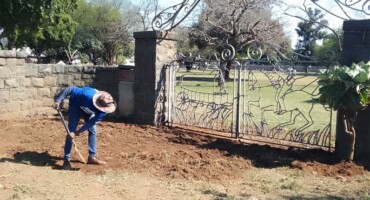
Renowned veteran leads historic animal rescue in Argentina
As the mission advances, the once-neglected animals of one of the world’s most dangerous zoos now stand on the cusp of a future that, for many, had long seemed impossible. And at the centre of that turning point is the seasoned rescuer who has ties with Pretoria.
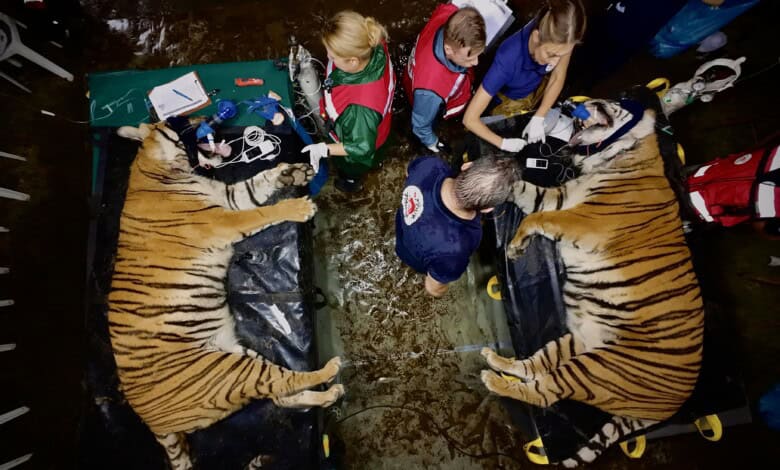
In late October, global animal welfare organisation Four Paws concluded one of the most extensive wildlife assessments ever undertaken in Latin America.
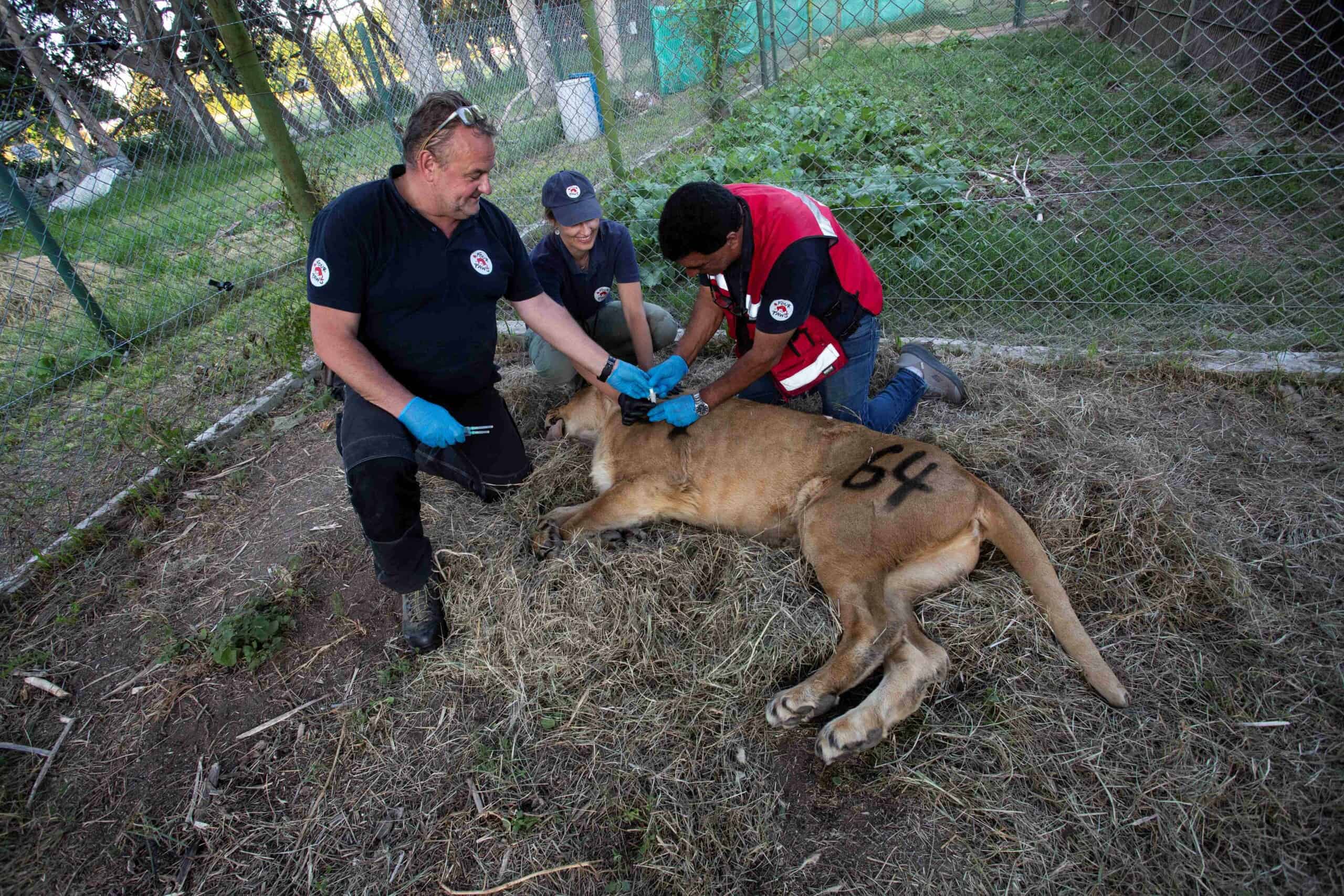
Over the course of just a few weeks, veterinarians and wildlife specialists examined 32 lions, 30 tigers and two bears at the former Zoo Luján in Argentina, marking the completion of the first phase of a high-stakes emergency mission.
The now-closed zoo is located about two hours outside of Buenos Aires in Argentina. The zoo was closed in 2020. It is considered to have been one of the world’s most controversial zoos.
At the centre of the operation stands Dr Amir Khalil, the veteran rescuer whose career has been as shaped by his South African rescue work as by his native Egypt.
Khalil leads the mission with the same resolve that has defined his decades-long record of extracting animals from war zones, collapsing zoos, circuses and disaster sites.
His involvement has given the Luján mission both urgency and authority.
Khalil’s trajectory into international rescue work was partly forged decades ago in Pretoria, where he studied wildlife medicine and built a deep connection with South African conservation and animal rescue work.
He was instrumental in founding a sanctuary for big cats for Four Paws, Lions Rock, in Bethlehem in the eastern parts of the Orange Free State.
The grounding he gained in South Africa has shaped some of his most notable South African achievements, including leading the relocation of Duma, formerly known as Charley, Pretoria’s last captive elephant, from the Pretoria Zoo to a private game reserve in Limpopo. Duma is now thriving in his new environment.
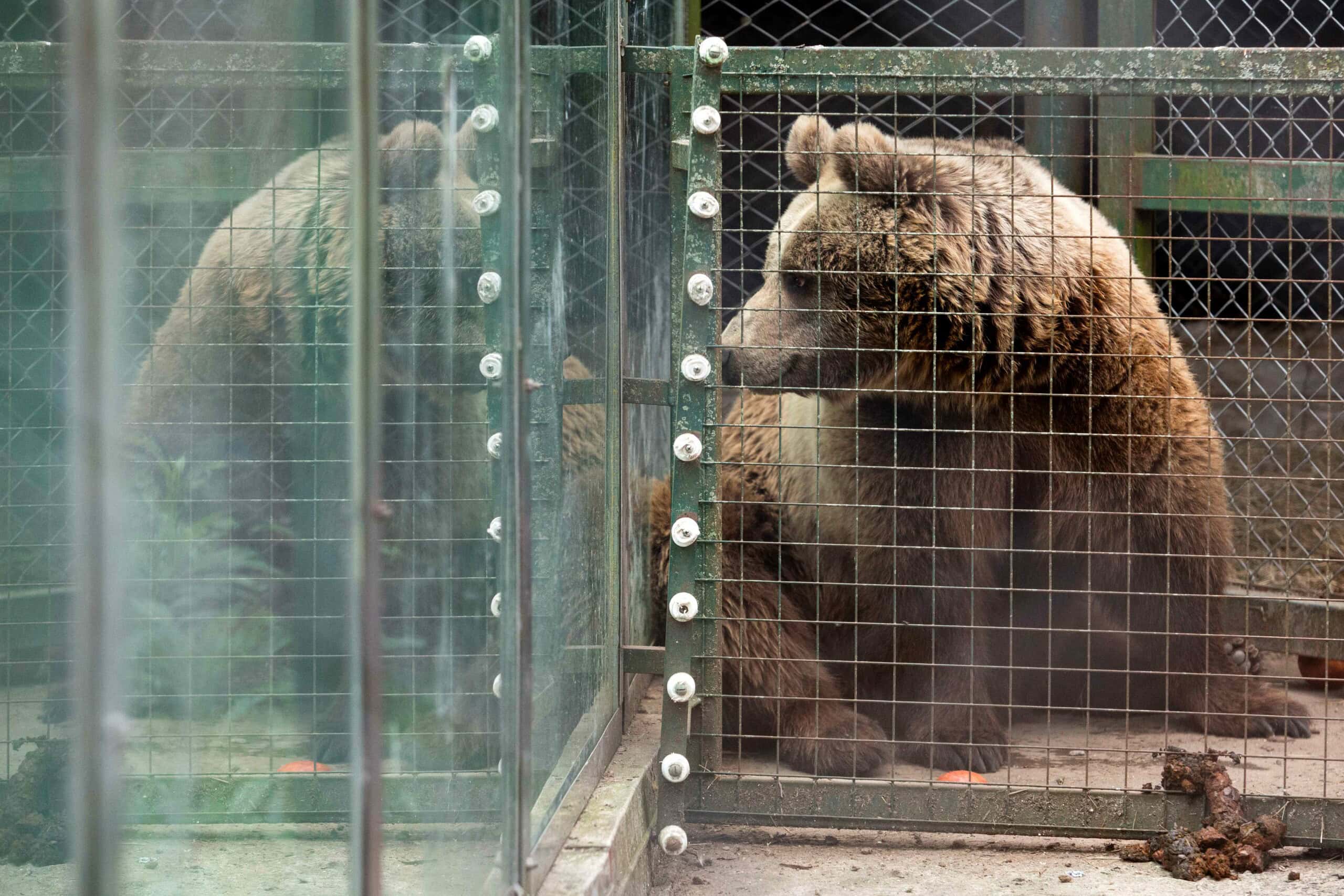
In Argentina, Khalil and his team faced a challenging landscape at the former zoo: overcrowded enclosures, chronic malnutrition, and untreated injuries.
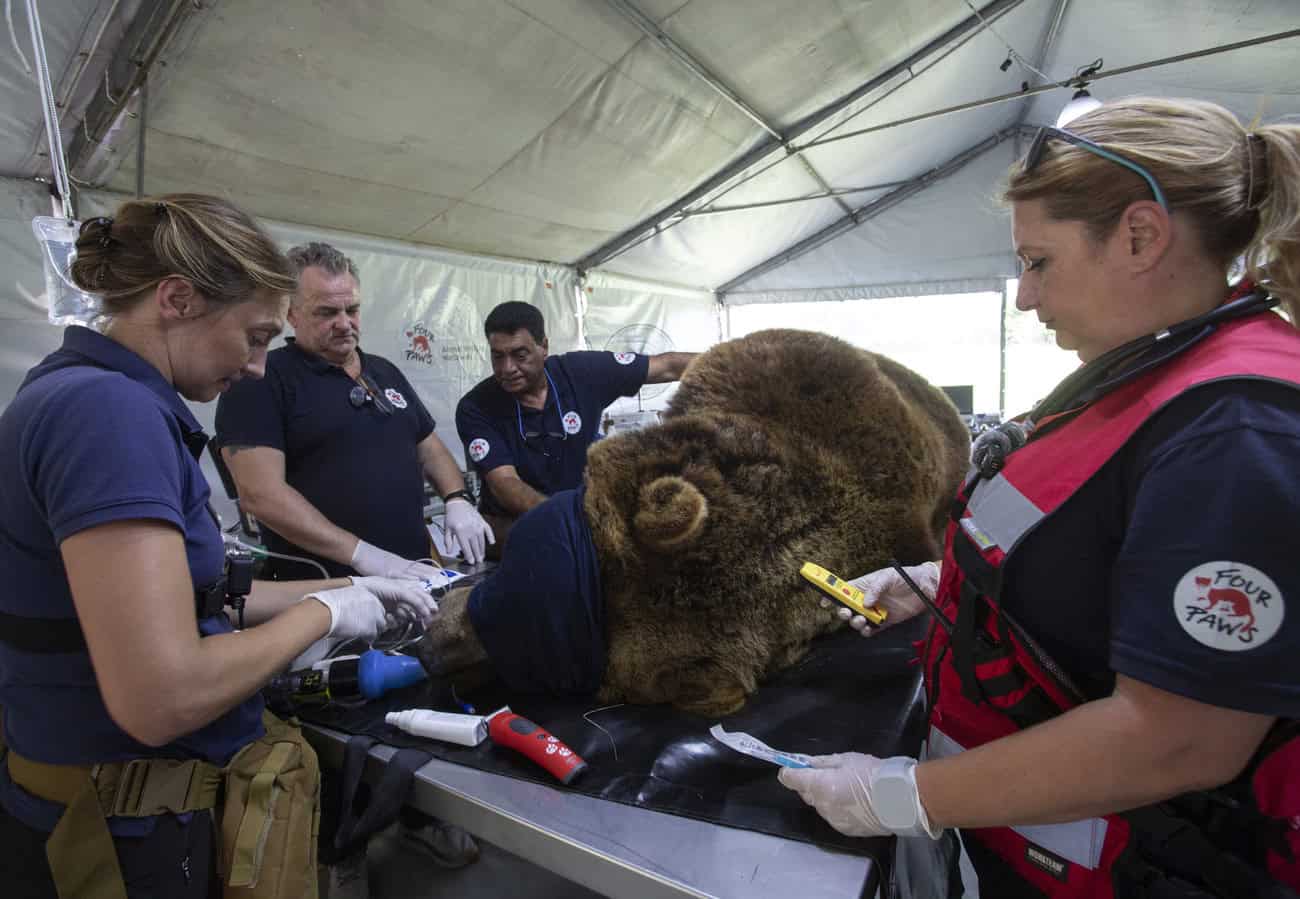
The field unit was set up under makeshift conditions. Among the ailments encountered were severe tail and eye infections, ingrown claws, dental decay, kidney disease and spinal deformities causing neurological impairment.
“We found health issues in most of the animals we examined, many of which can be directly linked to inadequate keeping conditions and poor nutrition. One tigress suffered from a particularly painful condition: a claw that had repeatedly grown inward. We removed splintered pieces from her infected paw and surgically corrected the claw bed to allow proper regrowth,” said Khalil.
The team’s efforts extended beyond medical interventions.
Temporary repairs were made to enclosures, animals were regrouped for safety, and species-appropriate diets were introduced in an attempt to stabilise their conditions until long-term solutions can be implemented.
With the initial assessment completed, the mission now moves into its next phase.
Preparations are underway to transfer the two bears, Gordo and Florencia, to a sanctuary in Bulgaria, where they will receive the space and specialised care unavailable in Argentina.
Plans are also being developed for the big cats, many of whom need further treatment that the current site cannot support.
The operation at Luján marks the first major step in an agreement between the animal welfare organisation and the Argentine government aimed at ending the private possession and commercial trade of big cats nationwide.
For Khalil, it is another chapter in a career defined by rebuilding lives, human and animal, from difficult circumstances.
His philosophy remains unchanged: rescuing animals is ultimately an act of preserving humanity.
“Witnessing the change in their behaviour after relieving that pain is exactly why we do what we do,” said Khalil.
ALSO READ: City refutes councillor’s charge of incompetence
Do you have more information about the story?
Please send us an email to bennittb@rekord.co.za or phone us on 083 625 4114.
For free breaking and community news, visit Rekord’s websites: Rekord East
For more news and interesting articles, like Rekord on Facebook, follow us on Twitter or Instagram or TikTok.