Students’ sustainable designs showcased on catwalk
Sustainability took centre stage at Stadio School of Fashion’s Worn and Reborn fashion show on November 29.
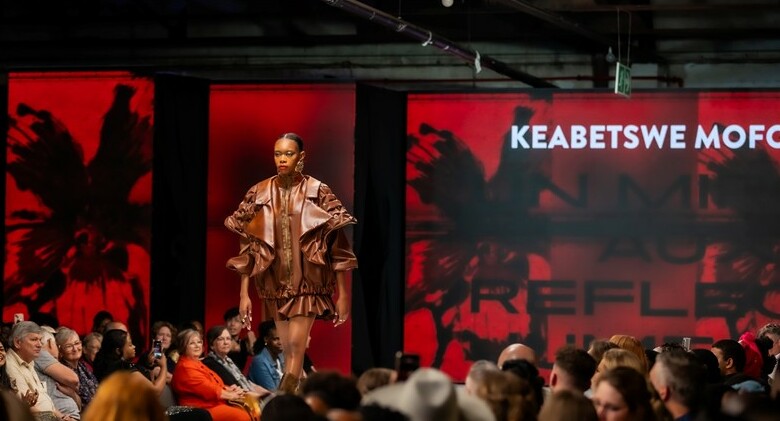
Fashion is increasingly being measured not just by creativity and aesthetics, but by responsibility and sustainability.
This was clear at the ‘Worn and Reborn’ showcase, a fashion show on November 29 in the central business district of Pretoria at 012 Central, a revitalised industrial venue.
On show were the designs of young designers who transformed pre-loved garments, offcuts, and even faulty stock into collections that were both innovative and runway-ready.
The event demonstrated how fashion can embrace a circular approach, turning waste into opportunity and redefining what it means to create in a conscious, modern industry.
It was clear to guests and visitors that sustainability is no longer a fringe concern; it is becoming central to how designers think, design, and produce.
“As the global fashion industry confronts the realities of waste and overproduction, we are reimagining how designers are trained,” said Maryne Steenkamp, head of the School of Media and Design at the Stadio University in Centurion.
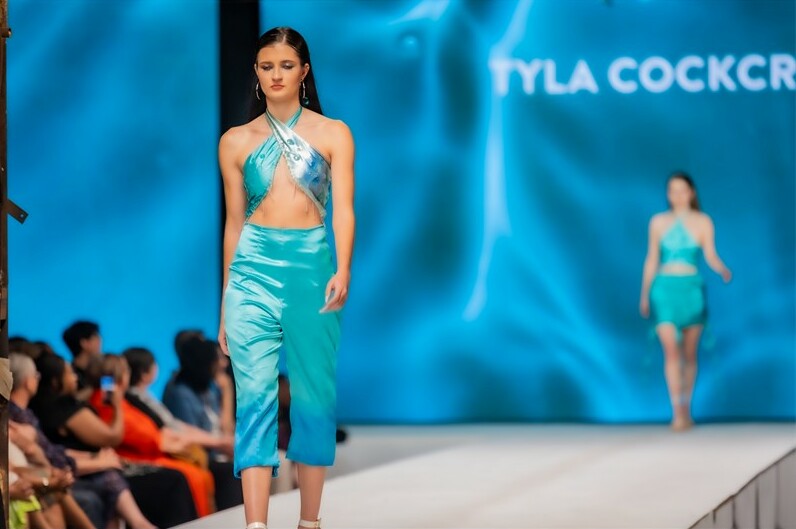
Steenkamp was also the host of the evening.
She remarked that the design sentiment resonated beyond education, reflecting a growing demand among consumers and brands for clothing that carries meaning and responsibility alongside style.
“Circular design, which keeps materials in use for as long as possible rather than following a linear take-make-dispose model, is emerging as a core principle for forward-thinking designers,” said Steenkamp.
On the runway, the students’ designs demonstrated that sustainability and creativity are not mutually exclusive.
One highlight was the Higher Certificate students ‘DECON/STRUCT’ collection, which repurposed Levi’s denim and men’s shirts into sculptural streetwear. Each garment contained 60–70% upcycled materials.
“This project encouraged creativity through repurposing pre-loved Levi’s jeans, promoting innovation while supporting a more ethical and circular fashion industry,” Steenkamp said.
The results were visually striking, showcasing a keen understanding of both texture and form, while highlighting the potential of pre-loved fabrics to carry new stories.
Another compelling example came from second-year BA Fashion Design students who partnered with Sealand, a Cape Town brand known for sustainable production.
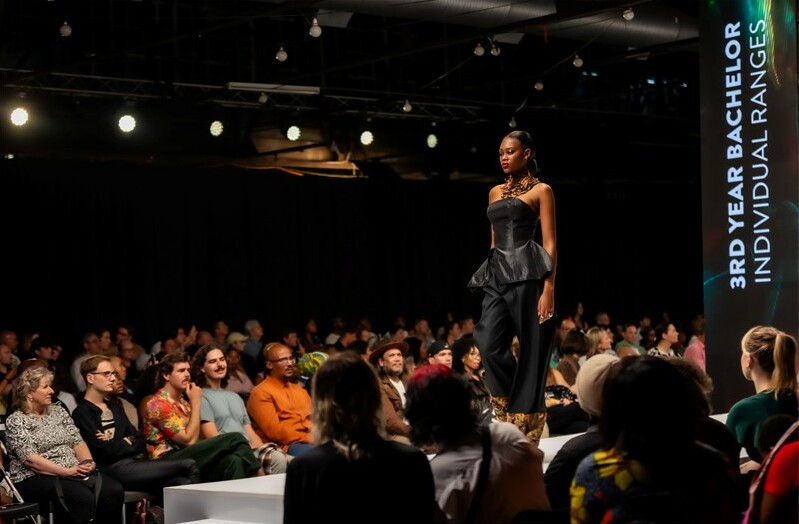
Their capsule collection, titled ‘Outdoor Luxe’, blended functionality with high-end outdoor style, using production offcuts and faulty garments provided by the brand.
“Students used these materials to transform waste into luxurious, stylish pieces that embody the brand’s ethos and highlight the potential of ethical, circular fashion,” Steenkamp explained.
The pieces demonstrated that sustainability need not compromise sophistication, proving that responsible design can be aspirational as well as practical.
The showcase also explored innovation in unexpected ways. First-year BA students experimented with asymmetry and layered textures under the theme ‘Chaos vs Order’, while second-year diploma students merged refined tailoring with an all-denim aesthetic in the themed design offering ‘Soft Tailoring Meets Denim City Dressing’.
Do you have more information about the story?
Please send us an email to bennittb@rekord.co.za or phone us on 083 625 4114.
For free breaking and community news, visit Rekord’s websites: Rekord East
For more news and interesting articles, like Rekord on Facebook, follow us on Twitter or Instagram or TikTok or WhatsApp Channel