Not waving, but drowning
Many people don't know what drowning really looks like, because drowning scenes on the screen are misleading.
“Nobody heard him, the dead man,
But still he lay moaning:
I was much further out than you thought
And not waving but drowning.” – Steve Smith
In movies, people drowning are depicted as splashing, yelling and struggling around in the water. Perhaps even waving. But here is the kicker: drowning scenes in movies are misleading.
Drowning is not noisy. It is usually silent, fast and often invisible, according to Annelie Lourens, Gauteng North Lifesaving President.

“Knowing what to look for and how to respond can save a life. Drowning victims cannot call for help because their body is focused on trying to breathe.”
Warning signs include:
– Head low in the water, mouth repeatedly sinking below the surface
– Arms pushing down rather than waving
– Body upright with little or no movement
– Appearing to ‘bob’ or ‘play’ rather than struggle
– This instinctive drowning response lasts 20–60 seconds.
Every year, we hear about people, especially young children, drowning in a pool, a dam or in the ocean.
According to the National Sea Rescue Institute, 29% of fatal drownings are children under 14 years of age and there are on average about 1 500 drownings in South Africa every year.
And you might think it will not happen to you, because you can swim, but when it comes to drowning, it can happen to anyone, even the best swimmer. You can get a cramp, be pulled in by a strong current or suffer cardiac arrest/heart attack.
Lourens gives the following general water safety tips:
– Always supervise children – drowning is silent
– Never swim under the influence of alcohol or certain medications
– Learn to swim and ensure children receive water-safety lessons
– Avoid swimming at night, in poor visibility or during storms
– Remember: buckets, baths, ponds, and tanks at home pose drowning risks to children
– Stay sun-safe: wear sunblock, a hat, and keep hydrated.
Beaches and ocean
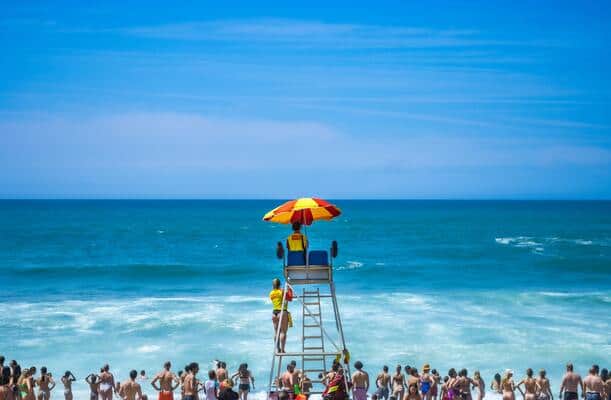
The ocean is not your friend. It can change from mild to rough in an instant. That is why lifeguards are so important. Swimming in the ocean without lifeguards present can be dangerous.
According to Lourens, lifeguards matter because they are qualified and trained to spot distress long before it becomes an emergency and make safe swimming zones with flags.
They also perform rescues, first aid and CPR, and respond instantly to hazards and educate the public.
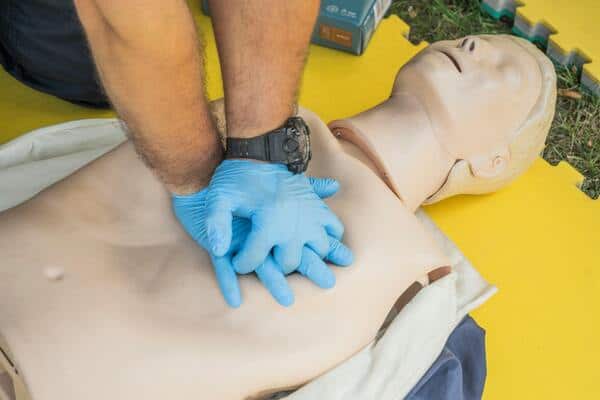
Photo: Pexels/Shox art
Lourens says the public should only swim at lifeguarded beaches and where they are on duty.
“Always swim between the red and yellow flags, and obey all lifeguard instructions – flags move according to hazards.”
Swimming in areas patrolled by trained lifeguards dramatically reduces drowning risk.
More tips at the beach:
– Watch for rip currents and stay close to shore. “Rip currents form when excess water that has accumulated along a shore due to wind and waves rushes back suddenly to deeper waters.” (dictionary.com).
– Look out for rip currents, swirling water, changes in water colour, or breaks in wave patterns.
– If you get into trouble: stay calm and float.
According to Beach Safety in SA on southafrica.net, swimming before sunrise or after sunset is very dangerous and should not be attempted.
There are 40-plus Blue Flag beaches in South Africa. To see a list of the Blue Flag beaches in SA, go to www.southafrica.net/za/en/travel/article/south-africa-s-blue-flag-beaches.
These beaches are conserved and protected through strict ethics that honour the environment. They also have assigned lifeguards.
According to the George Herald, lifeguard services at designated Blue Flag beaches are seasonal from December 1, 2025, to March 31, 2026 – in line with the approved tender contract.
Swimming Pools
– Never swim alone, regardless of age or swimming ability
– Swim only where lifeguards or responsible adults are present
– If supervising, always sit facing the pool and remain attentive
– Know the deep and shallow ends before entering
– No pushing, dunking or dangerous games
– Home pools must be fenced with a self-locking gate and a pool net.
Dams, Rivers & Hidden Water Hazards
– Check water depth before entering
– Beware of strong currents, debris and unstable riverbanks
– Stay away from manholes, stormwater drains and culverts – fast-moving water can trap you
– Avoid mine water storage ponds; they are unstable and dangerous
– Never enter rivers or low-laying areas during floods.
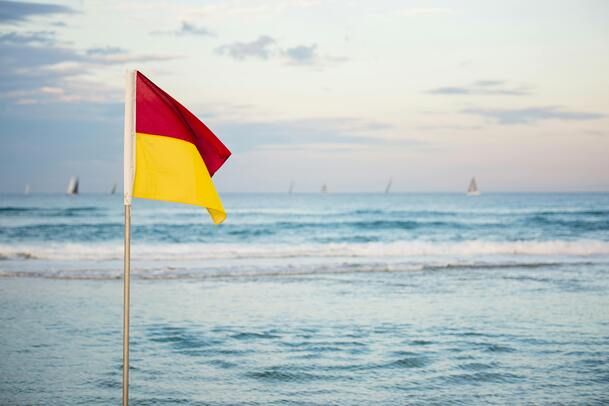
Photo: Pexels/Nathan Cowley
What to Do in an Emergency
“Many would-be rescuers drown while trying to save others,” Lourens says.
The safest approach is:
1. Call for help: alert lifeguards or emergency services
2. Reach or throw – don’t go. Use a rope, pole or anything that floats
3. Lie down on your stomach when pulling someone in to avoid being pulled in yourself
4. Only trained rescuers should enter the water. Untrained attempts often lead to double drownings
5. If trained, begin CPR immediately once the person is out.
“Teach children to float, stay calm and raise one arm if they fall in,” she says.
ALSO READ: Pretoria institutions play a significant role in conservation
Do you have more information about the story?
Please send us an email to bennittb@rekord.co.za or phone us on 083 625 4114.
For free breaking and community news, visit Rekord’s websites: Rekord East
For more news and interesting articles, like Rekord on Facebook, follow us on Twitter or Instagram or TikTok or WhatsApp Channel