Pretoria institutions play a significant role in conservation
Two Pretoria-based SANBI institutions are playing an important role in shaping South Africa’s National Biodiversity Assessment 2025. These institutions, the Pretoria National Botanical Garden and National Zoological Garden, are turning science into action for the country’s natural heritage.
The Deputy Minister of Forestry, Fisheries and the Environment, Bernice Swarts, launched the National Biodiversity Assessment (NBA) 2025 in the middle of December. The report is South Africa’s most comprehensive and up-to-date account of the country’s biodiversity status.
The launch reaffirmed the government’s commitment to safeguarding the nation’s rich natural heritage while ensuring sustainable use of biodiversity to support development, jobs and climate resilience.
South Africa is one of only 17 megadiverse countries globally, home to exceptional species richness, high levels of endemism and three of the world’s 36 biodiversity hotspots.
“Biodiversity underpins both our economy and society,” Swarts said at the launch, emphasising that NBA 2025 provides the evidence base needed to strengthen governance and mobilise collective action.
Marking 20 years since the first NBA in 2005, the 2025 assessment draws on the expertise of more than 490 specialists from over 110 institutions.
Among the significant contributors are two Pretoria-based institutions of the South African National Biodiversity Institute (Sanbi): the Pretoria National Botanical Garden (PNBG) and the National Zoological Garden (NZG).
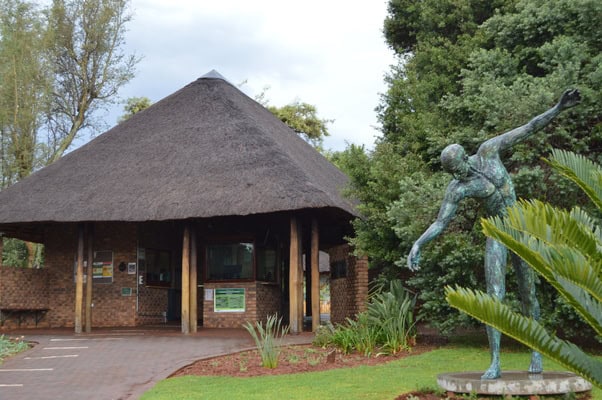
“Many Sanbi staff are based at the Botanical Garden and the Pretoria Zoo,” said Nontsikelelo Mpulo, Director: Marketing, Communication and Commercialisation at Sanbi. “Whether they work in assessing threatened species, genetic indicators or mapping and assessing South Africa’s ecosystems, these are all essential roles for the NBA work.”
The PNBG plays a foundational role in South Africa’s plant biodiversity science.
The garden hosts Sanbi’s nationally important herbarium, where plant taxonomists and systematists classify, verify and assess South Africa’s more than 21 000 plant species.
This work feeds directly into threatened species assessments and ecosystem status reporting in the NBA.
“Plant taxonomists and botanical experts are essential to understanding what we have, where it occurs and how threatened it is,” Mpulo said. “Without that scientific backbone, a national assessment like the NBA would simply not be possible.”
Beyond taxonomy, the PNBG supports applied research and conservation through its living collections, focusing on threatened indigenous plants from grassland, savanna and riparian ecosystems.
According to Mpulo, these habitats were identified in NBA 2025 as under growing pressure from climate change, land-use change and invasive species.
Research at the garden includes propagation methods, climate tolerance studies and restoration ecology, all aimed at preventing extinctions and supporting ecosystem recovery.
A flagship example is the strategic role in conserving Aloe peglerae, a nationally threatened and iconic species endemic to Gauteng and surrounding areas. The garden cultivates and studies the species while supplying material for restoration initiatives, demonstrating how conservation can directly support recovery.
“This is exactly the kind of practical, solution-driven conservation the assessment highlights,” Mpulo noted. “The garden is not just conserving plants behind the scenes. It is actively contributing to national restoration priorities.”
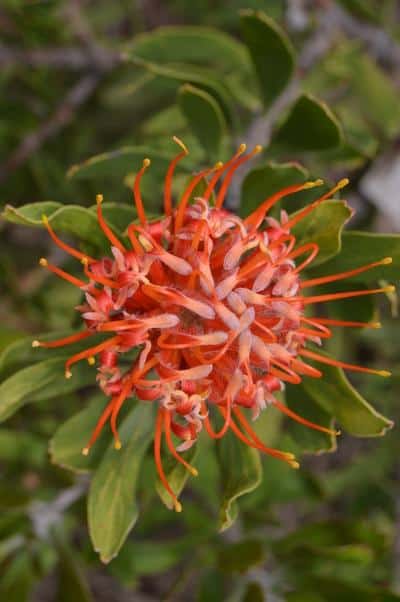
Photo: Elize Parker
She explained that the PNBG also contributes to emerging genetic diversity work through Sanbi’s Foundational Biodiversity Science Division, which is partly based at the garden.
Genetic indicators, increasingly important in biodiversity assessments, help measure ecosystem resilience and long-term adaptability.
“In Pretoria’s urban context, the Botanical Garden functions as a climate-smart demonstration site, promoting drought- and heat-tolerant indigenous plants, water-wise horticulture and invasive alien plant control.
“Through education programmes and interpretive displays, the Botanical Garden translates the findings of the NBA into accessible knowledge, helping communities understand why indigenous plants and restoration matter,” said Mpulo.
She added that the NZG, also known as the Pretoria Zoo, complements the Botanical Garden’s plant-focused work by contributing critical expertise on threatened fauna to NBA 2025.
About 15% of the species housed at the zoo are classified as threatened, positioning the institution as a key player in national conservation.
“The zoo plays a vital role in conserving species that are under severe pressure in the wild,” Mpulo said. “Through breeding programmes, genetic research and reintroductions, it directly supports the goals outlined in the assessment.”
Among the zoo’s most significant contributions is its long-standing involvement in the conservation of the endangered southern ground hornbill. Since 1995, the zoo has participated in captive breeding and rearing programmes, supporting reintroductions in collaboration with regional partners.
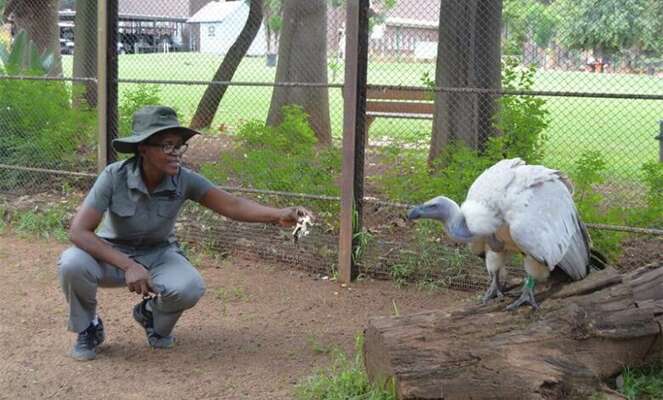
Similar efforts are underway for the Cape vulture, a species classified as vulnerable, with the Pretoria Zoo now leading the Breeding Steering Committee under South Africa’s Multi-species Biodiversity Management Plan for vultures.
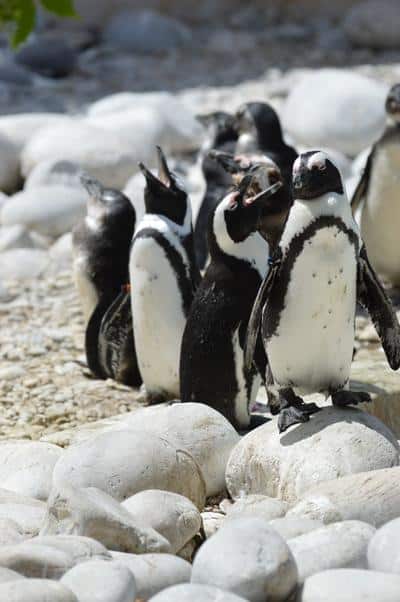
The zoo is also part of national programmes for the African penguin, now listed as critically endangered globally, and the sungazer lizard, a vulnerable, grassland-dependent species threatened by habitat loss and illegal trade.
“Confiscated sungazers are rehabilitated and bred at the zoo, generating valuable data on husbandry, genetics and species recovery,” said Mpulo.
Emerging genetic diversity research, co-ordinated through Sanbi’s Foundational Biodiversity Science Division across both Pretoria institutions, strengthens the zoo’s role in aligning captive populations with wild conservation needs.
She pointed out that through school programmes, ZooClub activities, interpretive talks and displays, science is translated into public understanding and action.
“The NBA is not just a scientific report. It is a tool for education and behaviour change,” Mpulo said. “At the zoo, those findings are brought to life for thousands of visitors every year.”
ALSO READ: Fatal flora: What could harm your pets
Do you have more information about the story?
Please send us an email to bennittb@rekord.co.za or phone us on 083 625 4114.
For free breaking and community news, visit Rekord’s websites: Rekord East
For more news and interesting articles, like Rekord on Facebook, follow us on Twitter or Instagram or TikTok or WhatsApp Channel