City power grid collapse triggers Nersa complaint
MMC for Utility Services Frans Boshielo says the system is extremely fragile and that they are looking for longer-term upgrades.
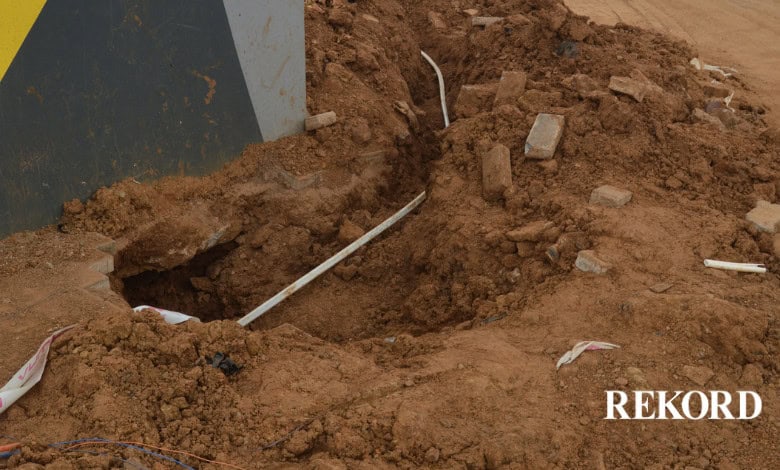
The collapse of Pretoria’s electricity grid has pushed thousands of residents into weeks of darkness and has now triggered a formal political and regulatory battle that could place the metro in front of the National Energy Regulator (Nersa).
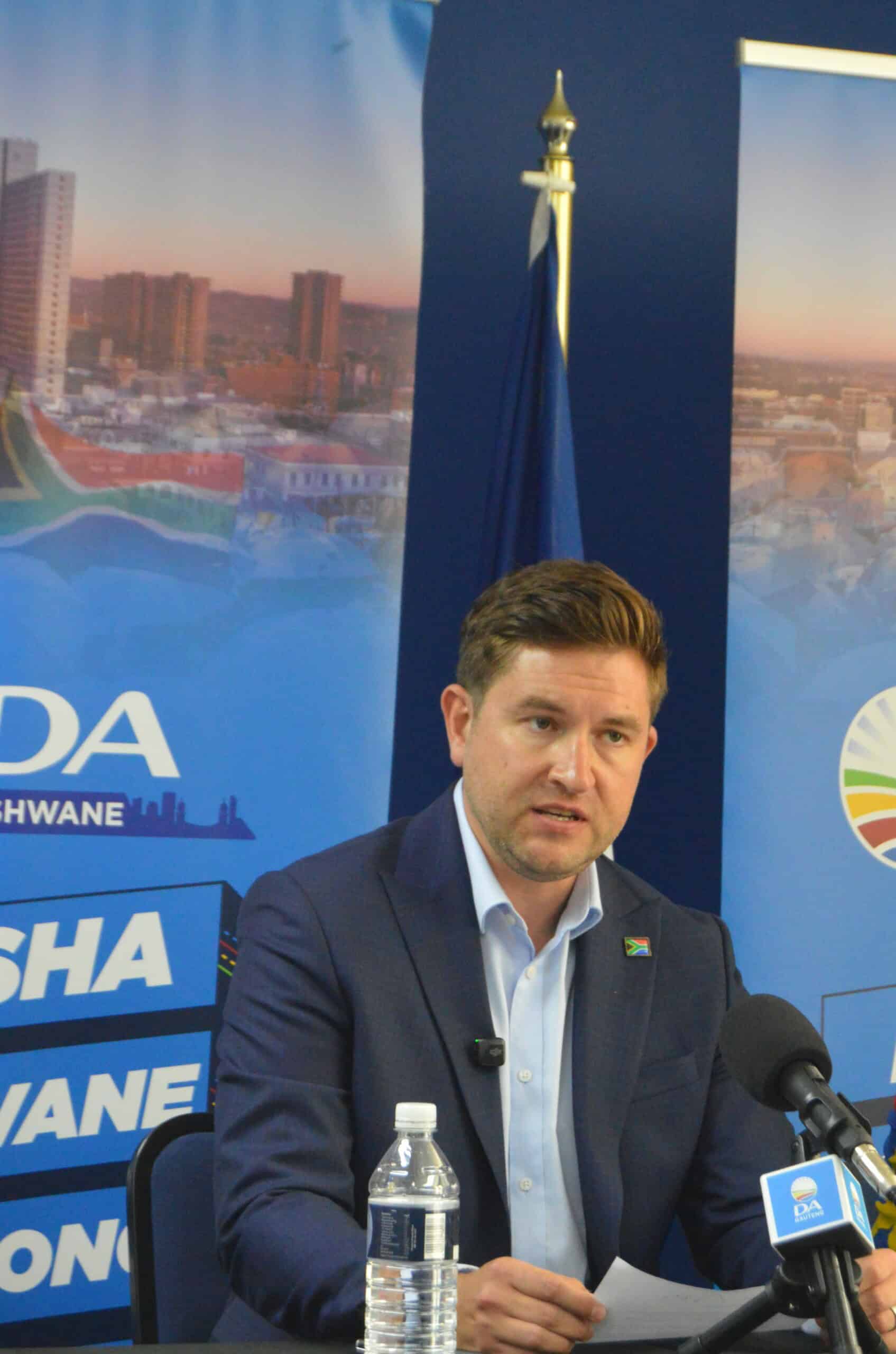
DA Tshwane Caucus leader Cilliers Brink said at a press conference that the crisis was no longer only a technical problem but a failure of governance that demanded intervention by Nersa and, if necessary, the courts.
Many homes in East Lynne have been without stable power since December 26. Other suburbs have been exposed to outages since November 2025.
Speaking about the situation, Brink described it as “the longest period in recent history that this community has been abandoned by its own municipality”.
Electricity has been on and off in many suburbs, leaving businesses unable to trade and elderly residents dependent on neighbours and generators.
Brink confirmed that the DA is preparing a formal complaint to Nersa in terms of Section 32 of the Energy Regulation Act, arguing that the metro is in breach of its licence conditions to provide a reliable electricity supply.
The complaint will include affidavits from residents and reports compiled by councillors who have documented the daily reality in affected suburbs.
“Nersa can ask for a full investigation into the failure of the metro’s network,” he said.
“The outcome of that investigation can be taken to a tribunal, which has the power to make recommendations. We see this as the first and necessary step, but will approach the court if needs be.
“A court will want to know that all other remedies were exhausted before it intervenes. Residents cannot be left at the mercy of a collapsing grid,” Brink explained.
According to Brink, the instability of the network is directly linked to political choices made in the metro’s budgets.
He said the ruling alliance had repeatedly diverted money away from core infrastructure.
“The deteriorating electricity grid can be ascribed to budget cuts. We fear what future cuts will do to service delivery because money will be taken away from water and electricity to fund political promises.”
A major pressure on the budget is the back-dated salary increases ordered by the Labour Court. The court instructed the metro to pay more than R1.5-billion to employees, but on January 6 the metro offered trade unions only R777-million.
“We warned at the time that the city should rather have gone back to court,” he said. “Because of Deputy Mayor Eugene Modise’s promises, the metro is now obliged to pay money they do not have. Every rand that goes to settle this political deal is a rand taken from transformers, cables and substations.”
Brink linked the financial crisis to the daily disasters seen across Pretoria. Substations have caught fire, cables have failed and repair teams are forced to patch rather than rebuild.
“The spoeg-en-plak [spit and paste] approach is killing the network,” he said. “Sections of cable are replaced instead of the whole line. That simply moves the fault further down and often activates fires.”
He explained that substations are designed to shut down safely when problems occur.
“No station is designed to burn down. The protection equipment might be there, but maintenance has been neglected for years. What we see now is the result of long-term decay.”
An earlier technical assessment estimated that R5-billion would be needed to stabilise the grid. Brink believes the work can be done in phases, but only if the budget is redirected to infrastructure rather than politically connected contracts.
Security at substations is another weak point. “Many sites are guarded by a single person without support. These contracts are often held by companies with vested interests. Technology such as cameras and remote monitoring is not used. This leaves critical assets open to vandalism and theft,” he said.
The DA has now launched a city-wide petition calling for the protection of electricity funding and an independent assessment by Nersa.
“This is not a natural disaster. It is a man-made emergency created by bad budgeting and political interference,” he said. “When the budget last year increased spending on water tankers and security companies instead of infrastructure, the warning lights were already flashing.”
Residents who are submitting affidavits describe fridges full of spoiled food, children unable to study and people sleeping in cars to charge phones. Brink said these voices would form the backbone of the Nersa complaint. “The regulator must hear directly from the people who live this reality every day.”
He emphasised that the objective was not political theatre but the restoration of basic dignity.
“If the residents of Pretoria want reliable water and electricity infrastructure, they will have to fight for it. The DA will stand with them in that fight.”
Brink concluded that the future of the capital depended on confronting the crisis honestly. “Pretoria can work again, but only if we put infrastructure before patronage. Nersa must act, the budget must change and those who broke the system must be held accountable.”
Meanwhile, MMC for Utility Services Frans Boshielo said the Koedoespoort substation itself had been repaired soon after the blaze, but the restoration placed heavy pressure on an old 15km cable feeding several mini-substations.
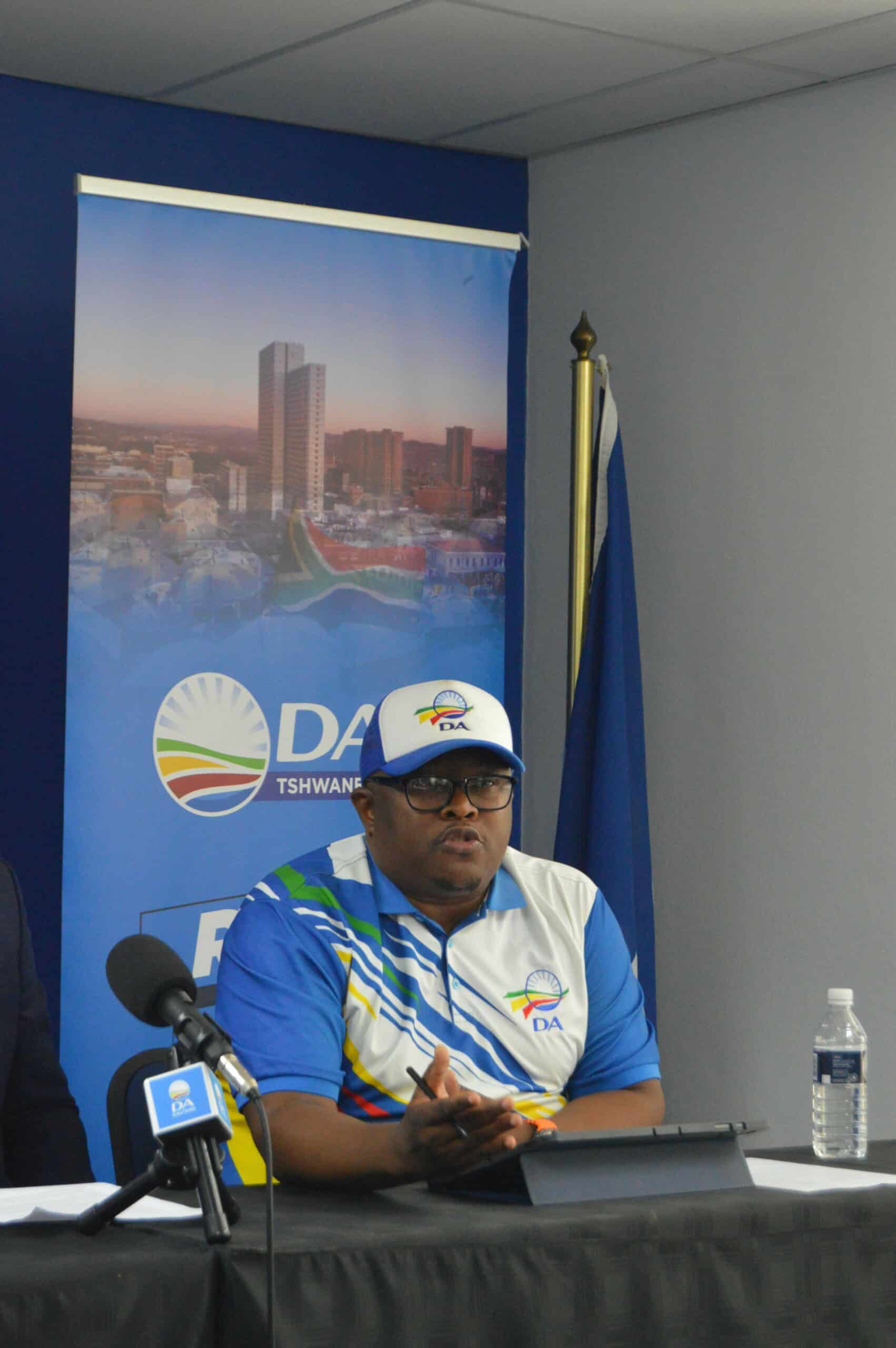
“The network in East Lynne is extremely fragile. Each time we restore supply, another weakened section of the cable can trip, which explains why electricity returns briefly and then fails again,” Boshielo said.
He explained that teams from the Energy and Electricity Business Unit must physically trace every fault along the lengthy route before repairs can begin. “Our technicians and contractors have been on site since late December and are working day and night to stabilise supply,” he said.
Boshielo apologised to affected households, acknowledging the frustration caused by the prolonged interruptions. He added that the metro was assessing longer-term upgrades to prevent a repeat of the crisis in East Lynne and surrounding areas.
– The petition can be signed here: https://petitions.da.org.za/p/tshwane-electricity-crisis
Do you have more information about the story?
Please send us an email to bennittb@rekord.co.za or phone us on 083 625 4114.
For free breaking and community news, visit Rekord’s websites: Rekord East
For more news and interesting articles, like Rekord on Facebook, follow us on Twitter or Instagram or TikTok or WhatsApp Channel