Claims of diverting electricity infrastructure funds rejected
The opposition claims that electricity funds were diverted, saying budget decisions are being misrepresented as residents and businesses continue to endure prolonged power outages, damaged infrastructure and mounting frustration over slow response times.
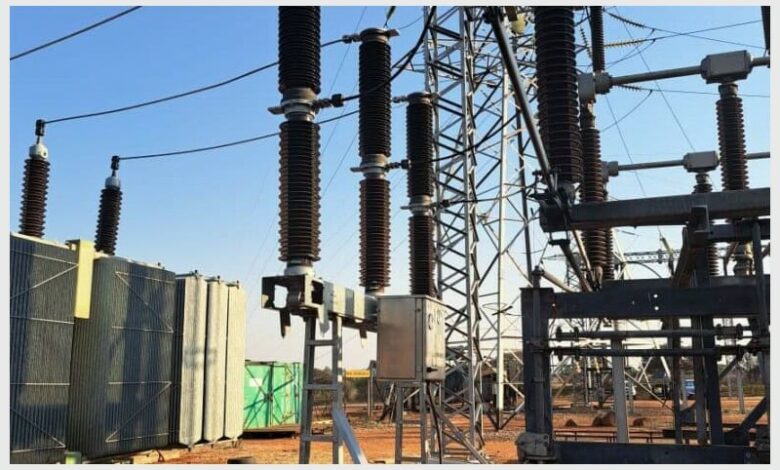
The Tshwane metro rejected claims that money meant for electricity infrastructure was redirected elsewhere.
This comes after the DA blamed budget decisions for worsening power outages across the capital.
Residents and businesses continue to face prolonged electricity outages, damaged infrastructure and slow response times.
DA caucus leader Alderman Cilliers Brink described the metro’s electricity crisis as ‘budget-driven’ and the result of misplaced priorities.
“Funds meant for maintaining and protecting infrastructure were prioritised elsewhere, leaving the network fragile and unreliable,” said Brink.
“Until priorities change, residents will keep paying the price for poor decisions.
“Prolonged power outages, collapsing infrastructure and poor response times are crippling households and pushing Tshwane’s economy closer to collapse,” he said.
According to Brink, the ANC-led city prioritised R575-million for water tanker services and watchman contracts instead of electricity infrastructure.
“This has left industry feeds at risk, municipal vehicles standing idle and key infrastructure unprotected,” he said.
The DA has called for urgent action, including protecting 11 kV lines, restoring critical electricity feeds, activating Joint Operations Centres and deploying municipal resources more effectively.
Brink also called for an independent investigation into infrastructure failures and related spending.
In response, the metro dismissed the DA’s claims as misleading and politically motivated.
Mayoral spokesperson Samkelo Mgobozi said, “The multiparty coalition government rejects the DA’s attempts to rewrite history through exaggerated figures, selective accounting and deliberate conflation of unrelated issues,” said Mgobozi.
“The facts are contained in the adjustment budget itself. Residents deserve clarity, not fearmongering, and solutions grounded in evidence rather than political ultimatums.”
One of the key points of contention is whether the city is planning salary increases.
Mgobozi said the metro was engaging trade unions to resolve a salary dispute dating back to the 2021/22 financial year.
“These engagements are at an advanced stage; however, the city cannot disclose details or timelines until a formal agreement is concluded.”
He stressed that the current adjustment budget was meant to fund phase one of inherited salary backpay.
This, he said, was a legal obligation arising from decisions taken in 2021.
“It is not about introducing new or discretionary salary increases,” Mgobozi said.
Mgobozi rejected claims that salary backpay was being prioritised while residents experienced long power outages.
“Salary backpay is a legal and contractual obligation that cannot be deferred,” he said.
“Electricity outages are the result of long-term underinvestment and deferred maintenance.”
He said these problems dated back to at least 2018, during DA governance.
“These issues are addressed through different budget processes and recovery programmes. Conflating them is misleading and amounts to political theatre,” said Mogobozi.
The metro also denied claims that funds allocated for electricity infrastructure were redirected to other services.
“No funds earmarked for electricity infrastructure were diverted to water tanker services or security-related contracts,” said Mgobozi.
He said these claims were not supported by the adjustment budget or its schedules.
In response to allegations that R800-million was stripped from infrastructure budgets, Mgobozi said the claim was false.
Mgobozi explained that in the 2024/25 adjustments budget, the Energy and Electricity Department’s (EED) expenditure was reduced by R687-million.
“The reduction relates mainly to non-cash accounting items such as debt impairment, depreciation and interest. These are standard financial adjustments,” he said.
Mgobozi said the EED received an additional R20-million in the adjustment budget for electricity maintenance.
“This directly contradicts claims that electricity funding was stripped or deprioritised,” he said.
Mgobozi said departments were asked to identify targeted savings of about R316-million in the proposed 2025/26 adjustments budget. These savings would come from non-strategic line items and overtime.
“This is in line with the MFMA [Municipal Finance Management Act] and intended to fund phase one of inherited wage backpay,” he said.
He added that core infrastructure programmes and frontline service delivery were excluded from these savings.
He rejected calls for an independent investigation and said the causes of electricity failures were well documented.
“These include historic underinvestment, an ageing network, theft, vandalism and prolonged periods of bad weather,” he said.
Do you have more information about the story?
Please send us an email to bennittb@rekord.co.za or phone us on 083 625 4114.
For free breaking and community news, visit Rekord’s websites: Rekord East
For more news and interesting articles, like Rekord on Facebook, follow us on Twitter or Instagram or TikTok or WhatsApp Channel