Water and electricity losses put severe strain on metro’s finances
Ageing infrastructure, illegal connections and vandalism are costing the metro billions of rand annually, placing mounting pressure on municipal finances and threatening long-term service delivery sustainability.
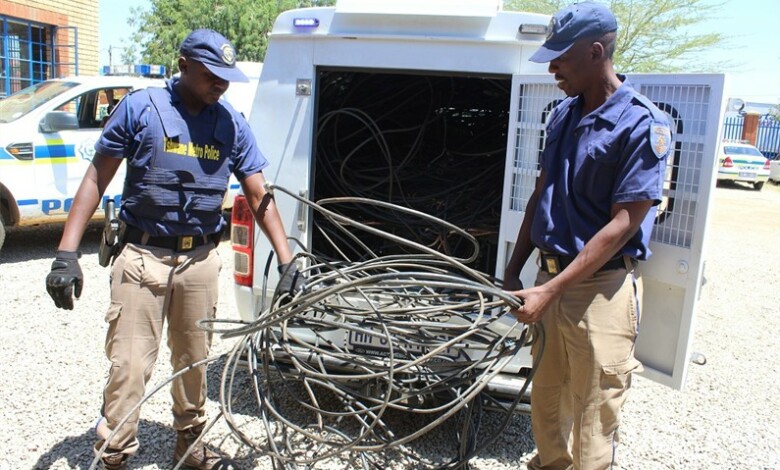
The Tshwane metro is losing billions of rand annually due to water and electricity distribution losses, with deteriorating infrastructure, vandalism and illegal connections identified as the main contributing factors.
Findings raised by the Auditor-General of South Africa revealed that the metro’s infrastructure maintenance expenditure remains below acceptable levels, while mounting utility losses continue to place severe pressure on municipal finances.
According to the city’s Water and Sanitation Business Unit, Non-Revenue Water currently stands at 39.1%, equating to about 135 million kilolitres of water lost each year.
These losses are largely linked to ageing infrastructure that is reaching the end of its design lifespan, as well as vandalism, illegal connections, and excessive water pressure in certain sections of the distribution network.
On the electricity front, distribution losses reached almost 20% during the 2024/25 financial year, despite showing a slight downward trend in recent reports.
These losses refer to electricity purchased but not billed to consumers, resulting in an estimated financial loss of about R3-billion.
Metro spokesperson Lindela Mashigo said electricity losses stem from both technical and non-technical factors.
“Electricity losses include unavoidable technical losses during transmission and distribution, as well as non-technical losses such as theft, meter tampering, damaged infrastructure and billing estimation challenges,” said Mashigo.
Mashigo revealed that the metro spent more than R15.48-billion purchasing bulk electricity, mainly from Eskom, while generating R19.6-billion through electricity sales. However, distribution losses significantly eroded the metro’s potential revenue.
He explained that historical underinvestment in infrastructure upgrades, largely due to limited capital funding, continues to drive increasing water and electricity losses.
Mashigo further noted that rapid population growth and expanding service demands are placing additional pressure on the metro’s already strained maintenance budgets.
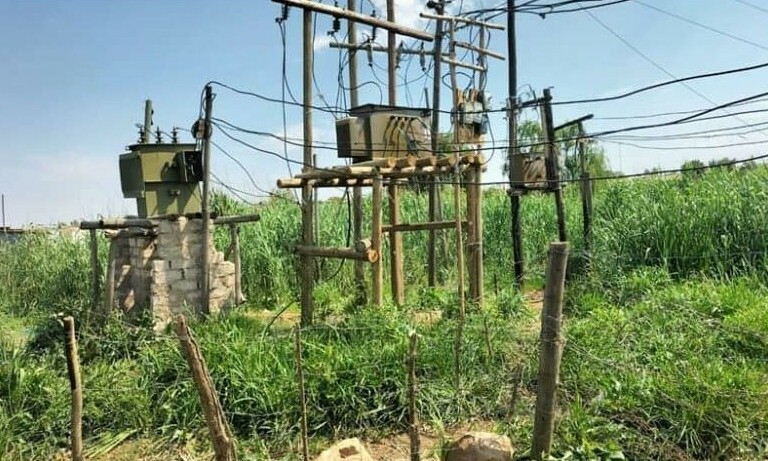
He said the metro has increased both capital and operational funding aimed at infrastructure refurbishment and maintenance.
“Current interventions include large-scale pipe replacement programmes, pressure management initiatives, reservoir repairs, leak detection technology and the refurbishment of internal water sources to reduce reliance on bulk water suppliers.”
Mashigo assured residents that the city has intensified enforcement operations targeting illegal electricity connections through its Tshwane Ya Tima campaign.
“The initiative focuses on removing illegal connections, installing prepaid meters and strengthening revenue collection.”
Mashigo explained that smart metering technology and advanced leak detection systems are also being introduced to enable near real-time monitoring of infrastructure performance.
“These systems allow for faster fault identification, quicker repairs and improved monitoring of consumption patterns.”
Through participation in trading service reforms led by the National Treasury, the metro aims to address an infrastructure backlog exceeding R29-billion.
He said revenue ring-fencing for water and sanitation services remains a central strategy to ensure long-term financial sustainability.
The metro has set a target to reduce non-revenue water losses by at least 1% annually and aims to bring both water and electricity losses in line with national benchmark standards by 2029.
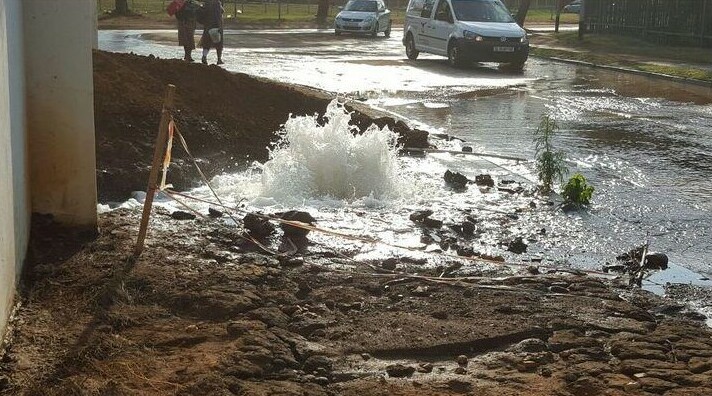
Despite these interventions, the ageing infrastructure estimated to require billions of rand to replace, remains one of the biggest challenges in stabilising utility losses across the metro.
Mashigo explained that technical losses, which account for roughly 7%, occur during electricity transmission and distribution and are largely unavoidable due to the nature of power networks.
He said, however, non-technical losses, which make up nearly 13%, are primarily caused by illegal electricity connections, meter tampering, damaged infrastructure, administrative billing errors and electricity theft.
“These losses fall within the city’s control and are currently being addressed through enforcement and revenue protection strategies.”
He said the city is on a spree to enforce law and remove illegal connections, installing prepaid meters and conducting enforcement operations in high-loss areas, particularly in townships and informal settlements.
“The city’s Water and Sanitation and Energy and Electricity Business Units are working alongside law enforcement agencies, including the police, TMPD and Emergency Services, to safeguard infrastructure and dismantle illegal utility connections.”
Mashigo said smart metering systems put in place also assist in identifying customers who rely on municipal electricity infrastructure as a backup supply while generating their own solar energy.
“This enables the metro to develop more accurate tariff models and ensure fair recovery of network costs.”
Mashigo told Rekord that it is also implementing infrastructure refurbishment projects targeting key electricity corridors and substations in areas including Olievenhoutbosch, Soshanguve, Sinoville, Lynnwood Glen, and Mooikloof.
“These upgrades are intended to stabilise ageing networks and reduce technical losses associated with deteriorating equipment.”
He said that through collaboration with the South African Local Government Association (SALGA), the metro is implementing performance indicators and monitoring frameworks aimed at accelerating the rollout of smart prepaid meters and improving revenue collection efficiency.
“Tshwane established measurable targets to address utility losses over the medium to long term.”
He added that electricity loss reduction targets include lowering non-technical losses to between 7% and 10%, in line with National Treasury benchmarks, while technical losses are expected to stabilise between 3% and 6%, as recommended by the National Energy Regulator of South Africa (Nersa).
However, Mashigo warned that infrastructure renewal remains a long-term and capital-intensive process.
He noted that replacing more than 60% of the metro’s ageing transformers alone would require about R3.5-billion and could take more than a decade to complete.
“Ongoing monthly infrastructure assessments have identified regions 1, 4 and 6 as the areas experiencing the highest levels of water losses. These regions have been prioritised for targeted infrastructure upgrades, enforcement operations and leak detection initiatives.”
Despite the implementation of several turnaround strategies, the increasing cost of maintaining ageing infrastructure, together with continued vandalism and illegal connections, remains a significant obstacle for the metro.
Do you have more information about the story?
Please send us an email to bennittb@rekord.co.za or phone us on 083 625 4114.
For free breaking and community news, visit Rekord’s websites: Rekord East
For more news and interesting articles, like Rekord on Facebook, follow us on Twitter or Instagram or TikTok or WhatsApp Channel