Community interest in neglected church shines light on municipal property process
A local resident’s interest in restoring a disused church has prompted the Tshwane metro to explain how organisations can apply to lease and repurpose underutilised municipal properties for the benefit of their communities.
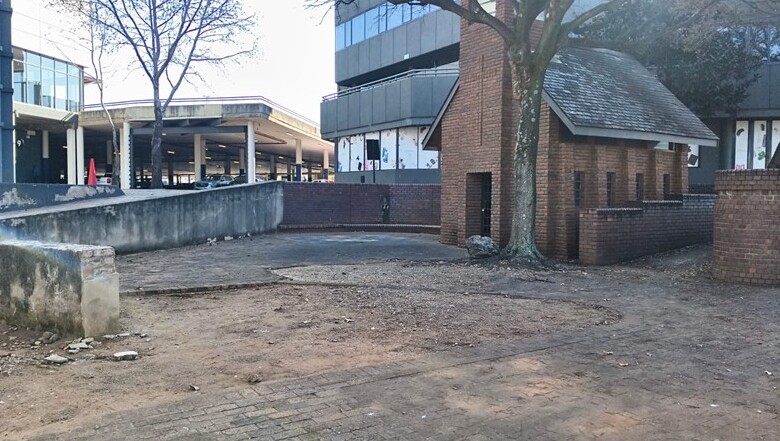
A neglected church in Centurion has sparked renewed interest in how underutilised municipal properties can be brought back into community use, with the Tshwane Metro outlining the process organisations can follow to propose restoring and repurposing abandoned municipal buildings.
The church, situated between Centurion Mall and the Lakeside building on Gordon Hood Road, has fallen into a visible state of disrepair after years of underutilisation and lack of regular maintenance.
Recent interest from a local resident has also raised a broader question about what communities can do when they see a municipal property standing vacant.
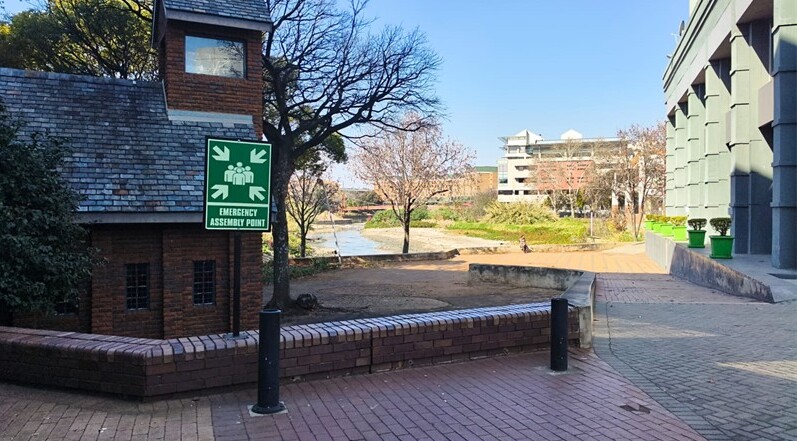
Ward 57 councillor Jack Page said the church has been in a visibly neglected and deteriorating condition since the Covid-19 pandemic in 2020, with concerns about the property growing over the years.
“When municipal properties are left unattended for extended periods, deterioration naturally accelerates and they become vulnerable to vandalism, illegal occupation and other forms of neglect,” he said.
He added that budget and resource constraints have long affected the city’s ability to maintain some of its properties.
Page said the condition of the church has raised concerns among nearby residents and businesses, particularly regarding security, vandalism, illegal occupation, environmental deterioration, and the overall appearance of the area.
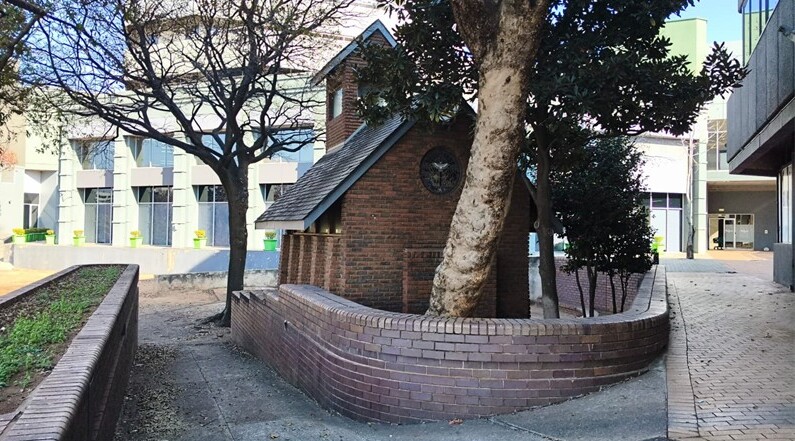
Despite its current condition, he believes the property still has significant potential.
“I believe there is significant potential in viewing the property as a community asset rather than simply allowing it to deteriorate further.”
Page noted that the church could once again host Sunday services and communion, particularly for retail employees working in the surrounding area who may find it difficult to attend services at their regular places of worship because of their working hours.
“The restoration of an existing building can also demonstrate that neglected spaces can be brought back into productive use rather than simply being left to deteriorate,” he said.
“If the church were open on Sundays and properly maintained, it could become a positive community asset, providing a safe and welcoming space for worship and community engagement.”
Resident Daniel Struwig, who has expressed an interest in helping revitalise the church through maintenance efforts, shares a similar vision.
He believes the property has the potential to once again become a valuable community space where people can gather for fellowship and other activities that benefit the wider community.
According to the metro, the city owns and manages the church property registered as R/5/52 Verwoerdburgstad.
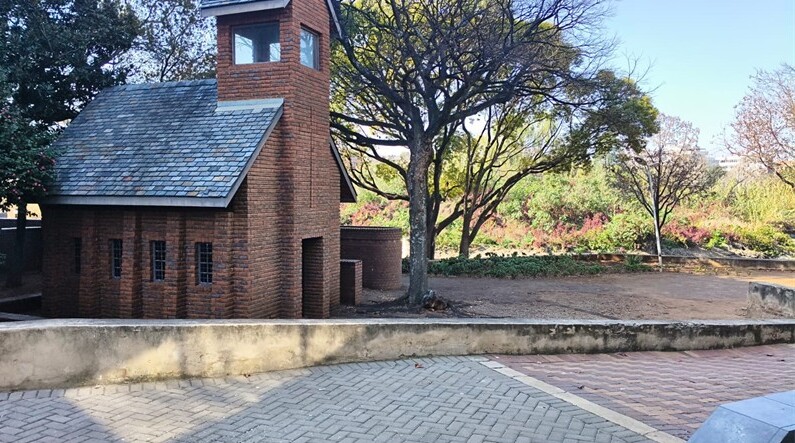
Metro spokesperson Lindela Mashigo stated that the facility is not currently leased or occupied.
He said the city manages an extensive portfolio of municipal properties and that budgetary constraints have affected the maintenance of certain sites, particularly those that are underutilised.
“The city continually assesses its property portfolio and prioritises available resources based on operational requirements, risk and available funding,” he said.
Mashigo added that the city is developing an integrated, interdepartmental approach to improve the management, maintenance and utilisation of municipal properties while addressing the challenges posed by limited financial resources.
“This particular property is currently undergoing an assessment to determine its highest and best use, which will inform future decisions regarding its utilisation and long-term management,” he stated.
Although no formal proposal or application has yet been received for the church, Mashigo said the city may consider proposals for the use of municipal property, provided they comply with the applicable legislative and policy framework.
He stressed that municipal immovable property cannot be allocated directly to individuals or organisations.
Instead, any lease or other form of alienation must follow the prescribed statutory processes in terms of the Municipal Asset Transfer Regulations and other applicable legislation.
These processes will include, where applicable, council approval, public participation, compliance with the city’s policies and legislative requirements, as well as a fair, transparent and competitive process.
Mashigo said interested parties can submit an enquiry or proposal through the city’s online property enquiry portal.
“Upon receipt, the proposal is evaluated by the relevant municipal officials to determine its feasibility and compliance with applicable legislation, municipal policies and strategic objectives,” said Mashigo.
Mashigo said each application is considered on its merits and must comply with the relevant legislative provisions, municipal policies and council approval requirements.
He added that the Group Property Department continuously monitors and manages the metro’s immovable property portfolio through inspections, ongoing property management processes and engagements with municipal departments to identify underutilised properties.
Do you have more information about the story?
Please send us an email to bennittb@rekord.co.za or phone us on 083 625 4114.
For free breaking and community news, visit Rekord’s websites: Rekord East
For more news and interesting articles, like Rekord on Facebook, follow us on Twitter or Instagram or TikTok or WhatsApp Channel