East conservation leadership educates residents on hidden garden threats
As alien plants threaten the Pretoria east ecosystem, local conservation leaders rally the community to fight and eradicate them.
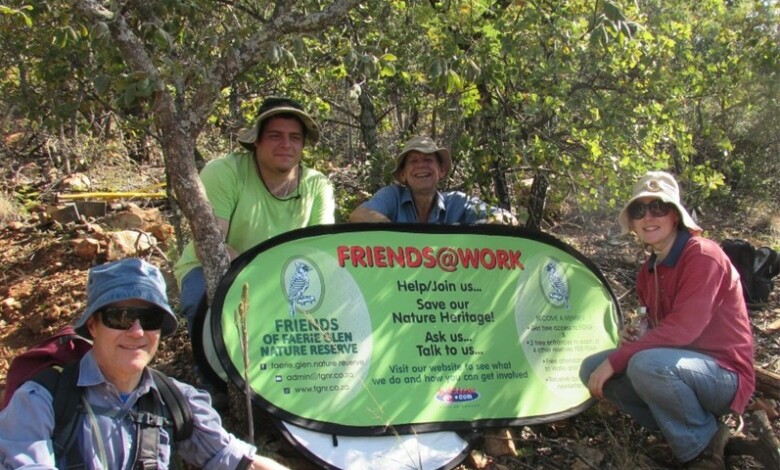
Residents of Pretoria east are urged to take a closer look at what is growing in their gardens, as alien invasive plant species continue to threaten local biodiversity.
This is according to Friends of Faerie Glen Nature Reserve chairperson, Louise Kritzinger.
The organisation’s leadership is on a mission to educate residents about the hidden dangers of invasive plants, as these plants pose a serious threat to our local ecosystems.
Kritzinger warned that a lack of awareness on matters such as invasive plants could lead to the further spread of these species in areas like the Faerie Glen Nature Reserve.
“More than half of all alien and invasive plant species listed in South Africa found [their] way into the country by means of the horticultural industry, such as ornamental garden and pot plants.
“Homeowners, gardeners and plant collectors can make a big difference by ensuring their gardens are free from these alien invasive plant species and in so doing also prevent their property value from decreasing,” said Kritzinger.
The reserve regularly hosts monthly ‘hacks’ where members of the public join the group to combat the spread of invasive species.
The initiative to remove the invasive plants is being run in collaboration with a local botanist, Petro Lemmer, and Bronberg Conservancy secretary, Henriette Kieser.
Lemmer and Kieser have taken it upon themselves to write a series of 19 educational articles about invasive species.
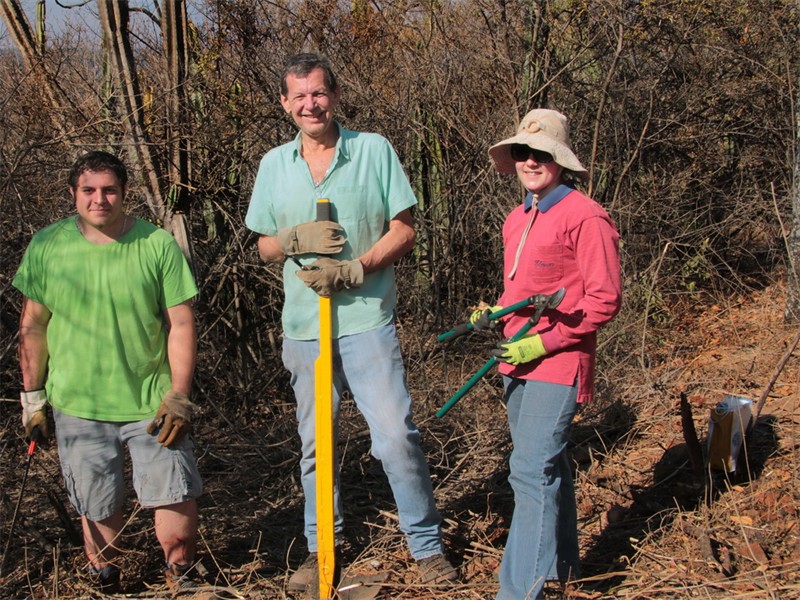
Kritzinger explained the motivation behind this initiative as a lack of awareness of the subject by the general public and the fact that invasive plants are growing in many places, on both public and private land.
According to Kieser, invasive species consume large amounts of water, disrupt natural habitats, and increase fire risks. This ultimately threatens the ecological balance of local reserves.
“A big misconception that many people have is to think that because a plant is green and alive, it’s good for the environment,” explained Kieser.
“These ‘ecosystem bullies’ actually slowly make the area where they grow devoid of other life, including plants and birds, which depend on the native species.”
Kritzinger added that residents can help combat these invasive species by eradicating them from their own gardens before they spread to other gardens and natural areas.
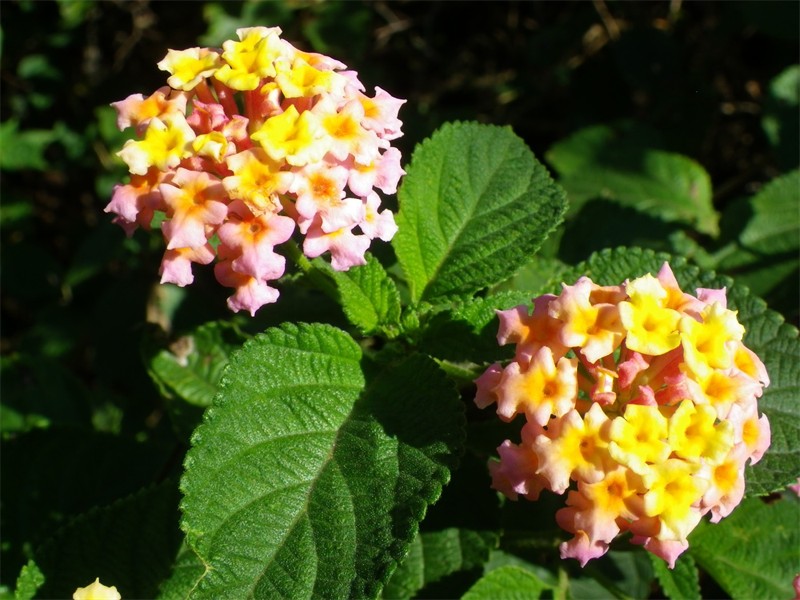
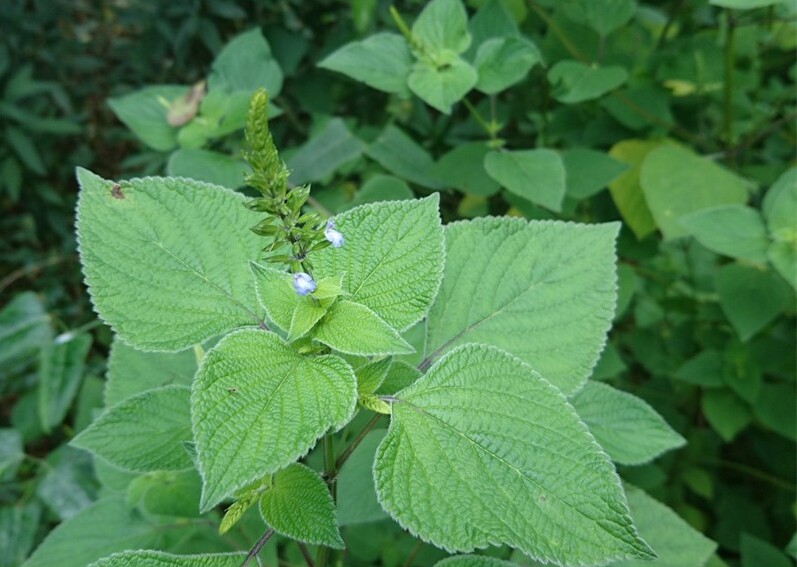
Some invasive plants residents can look out for include the green poisonberry (Cestrum Parqui), the lantana, or gomdagga in Afrikaans (Lantana Camara), and blue sage (Salvia Tilifolia).
Residents are urged to stay informed on this matter and support initiatives aimed at preserving indigenous vegetation.
She also encourages the residents to join the next monthly invasive plant ‘hack’ at the reserve on March 15.
ALSO READ: E-hailing driver murder case to resume in June
Do you have more information about the story?
Please send us an email to bennittb@rekord.co.za or phone us on 083 625 4114.
For free breaking and community news, visit Rekord’s websites: Rekord East
For more news and interesting articles, like Rekord on Facebook, follow us on Twitter or Instagram or TikTok or WhatsApp Channel