From liberation to participation: Is freedom still alive at the ballot box?
More than 30 years after South Africans first queued in anticipation to vote, the concept of freedom is subtly evolving, not through struggle but through active engagement.
A morning that meant everything
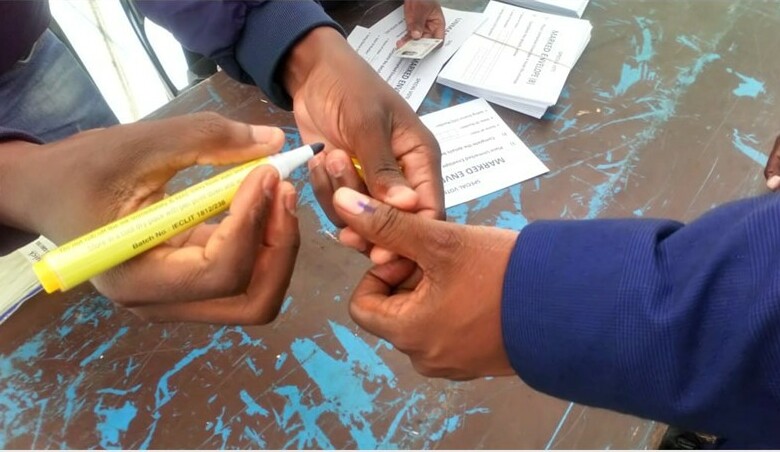
There is a kind of silence that lingers in the air, the kind that settles into the land just before a moment of change. On April 27, 1994, this silence gave way – not to noise – but to movement. Long lines formed as individuals waited, some for hours and others for the entire day, for a chance to vote that had long been denied them.
This was the first time that millions of South Africans had the opportunity to vote freely, regardless of race. While this day later became known as Freedom Day, at that moment, it was simply about being present and counted. There were no guarantees for the future, but one thing was clear: the act of voting was significant.
Freedom beyond a one-time event
South Africa often recalls freedom through the lens of that single historic event: the 1994 election that marked the end of apartheid and the dawn of democracy. Freedom Day signifies both the achievement of political liberation and the establishment of equal rights, including the right to vote. The Constitution emphasises that democracy is not a one-time event but a continual practice, reliant on active participation.
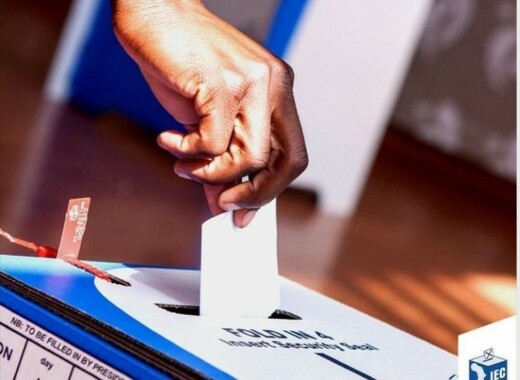
Therefore, voting is more than a mere formality; it embodies the ongoing pursuit of the freedom that was fought for. However, as time passes, the manner in which this freedom is expressed begins to evolve.
The significance of 1994
The 1994 elections were marked by an urgent sense of hope. Voter turnout was around 86%, reflecting how much people valued the chance to influence the future of their nation. This election was not just symbolic; it was transformative, marking a reclamation of dignity and power for millions. Two years later, the Electoral Commission of South Africa was formed in 1996 to ensure that future elections remained free, fair, and transparent. In many ways, the events of 1994 established a framework for a democracy propelled by purposeful participation.
Then and now: an understated change
Nearly three decades later, the landscape has changed. Recent local government elections have seen a steady decline in voter turnout.
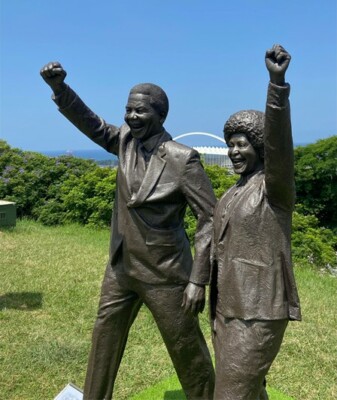
Recent elections tell a more layered story: voter turnout dropped to 46% in the 2021 local government elections, the lowest since the dawn of democracy. In the 2024 national elections, the voter turnout slightly rose to 59%, which still marked a historic low for general elections and reflected a steady decline in participation over time.
Where long and hopeful queues once existed, polling stations now seem quieter.
Statistics reveal that while young people constitute a large part of the population, their engagement in elections, both in terms of registration and turnout, remains low.
This decline raises important questions. Has the significance of voting shifted? Has freedom become something taken for granted rather than actively pursued? Today’s participation lacks the historical weight it once carried, existing in a context where voting rights are guaranteed, yet their exercise feels increasingly optional.
The importance of local elections
Local government elections present a unique perspective on this change. Municipalities handle services that directly impact everyday life, such as water, electricity, housing, and infrastructure. They represent the closest level of governance to the residents, where decisions are felt almost immediately.
However, local government elections typically see lower voter turnout than national ones. This presents a contradiction; the governance that directly affects communities experiences the least engagement, suggesting a disconnect, not necessarily from the concept of democracy but perhaps from its perceived effectiveness.
What does freedom ask of us now?
Freedom in its nature revolves around choice. The right to vote includes the right not to vote. Yet, democracy depends on participation to remain representative and responsive. South Africa’s constitutional values, such as human dignity, equality, and democratic governance, require active engagement. They are upheld through continuous participation, through residents choosing, again and again, to take part in elections.
The pressing question has shifted from whether South Africans have the right to vote to how that right is currently being utilised.
The current silence at polling stations may convey a different meaning compared to the silence of 1994. Back then, it was filled with hope. Today, it might signal reflection, disengagement or even a form of quiet protest.
Freedom is no longer only about access. It is about action.
The actions taken or not taken at the ballot box continue to shape the ongoing narrative of a developing democracy.
Do you have more information about the story?
Please send us an email to bennittb@rekord.co.za or phone us on 083 625 4114.
For free breaking and community news, visit Rekord’s websites: Rekord East
For more news and interesting articles, like Rekord on Facebook, follow us on Twitter or Instagram or TikTok or WhatsApp Channel