Smaller, smarter homes the way forward for South Africans
Statistics reveal that since the 1980’s, the country has swung dramatically from large properties with gardens towards sectional titles geared towards lower maintenance costs. Proximity to work is now a key factor in the decision of home buyers.
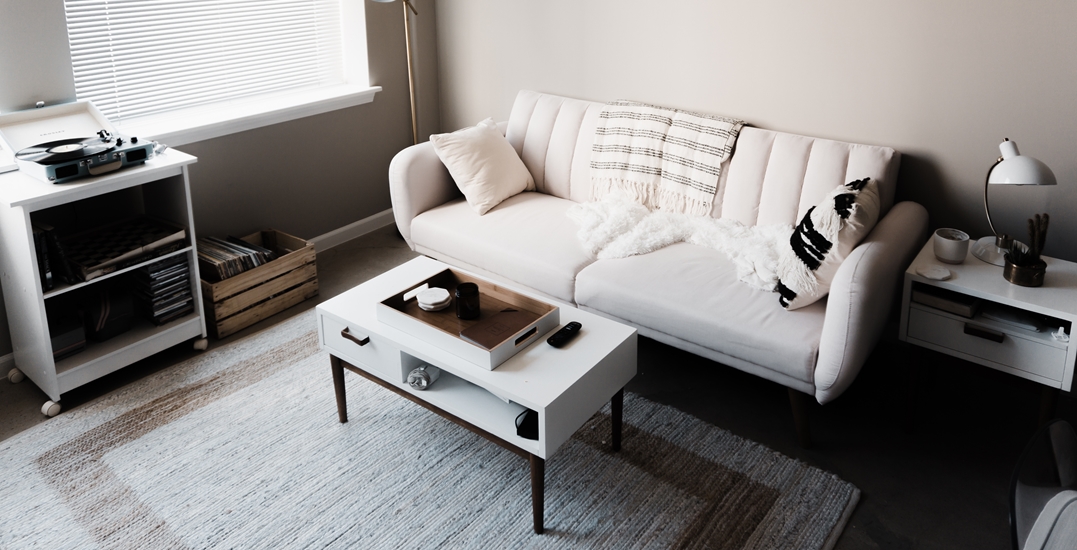
South Africans interested in purchasing property in northern Pretoria and other areas are revealed to have changed the way they analyse the real estate game. The country suffers from a myriad of challenges for lower income and middle-class homeowners but South Africans continue to exhibit creative, problem solving skills.
The bane of ever-escalating traffic congestion (placing both Cape Town and Johannesburg within the ranks of the top 50 most congested cities in the world) combined with dramatic increases to the prices of petrol has transformed the distance of the work commute into perhaps the salient issue of home buying in the country. South Africans are also taking security more seriously and are actively looking for ways to take more control of these precautions through new technology.
According to Rudi Botha, CEO of BetterBond, the current rapid uptake of “smart” home technologies in SA is on the rise. “Using these technologies, owners can monitor their alarm systems and security cameras via their smartphones even when they are not at home, photograph any intruders, open or close garage doors and gates, and turn lights on and off to make it seem as though there is someone at home.
This is definitely appealing to SA homeowners and according to Statista, the overall value of the smart home automation market in SA is expected to top US$60m by 2020. Meanwhile, there is already sufficient demand for local security companies such as Fidelity ADT to have introduced security-focused smart home packages.”
New houses are also being built smaller than they were 50 years ago, with a reduced emphasis on the garden, a trend also seen in Europe. Smaller houses, however, mean reduced maintenance costs which also explains the increasing popularity of sectional titles. “In the late 1980s, secure sectional title developments accounted for only 6% of new builds in the country today, however, they account for 27% of all new homes.” says Botha.