Residents must dump garden refuse at waste stations
The City of Tshwane has nine garden waste transfer stations.
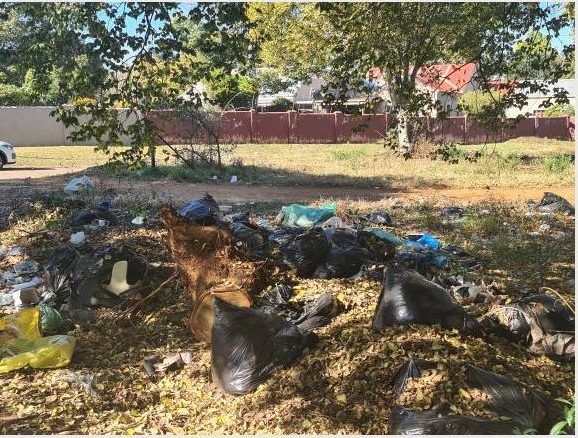
The Tshwane metro’s environmental management inspectors have been inundated with complaints about illegal dumping, specifically garden refuse dumping.
Environment and agriculture management MMC Dana Wannenburg said garden waste was any material from a garden, including lawn clippings, prunings, plants, twigs, branches, leaves, soil, dirt and mulch.
“Garden waste or refuse constitutes a significant proportion of the total waste stream received at municipal general landfill sites.
“The correct disposal of garden waste includes recycling the waste, turning the waste into compost, and disposing of it at our garden waste transfer stations.
“By recycling our garden waste, we reduce the amount of waste that is taken to the landfills and increase the lifespan of our landfill sites.”
Wannenburg said a garden waste transfer station is a facility used for the temporary storage and collection of green garden waste into a bulk container for further transportation to a landfill site, a recycling depot or another disposal facility duly permitted by the authorities.
He said examples of garden waste that is accepted at these facilities include grass clippings, waste from tree pruning, small tree logs and tree leaves.
Tshwane residents are reminded that only garden waste can be disposed of at a garden waste transfer station; it cannot be mixed with household or demolition waste.
“Chapter 4 of the Waste Management By-law states that the occupier of the premises on which garden waste is generated must ensure that waste is disposed of accordingly.
“It must be disposed of at a garden refuse site designated by the municipality or use the retained garden refuse for the making of compost. With the exception that the garden waste will not cause a potential nuisance, fire or health hazard.”
Wannenburg said environmental challenges caused by the illegal dumping of garden waste include:
– Dumped garden waste can increase the amount of soil nutrients and encourage the growth of exotic plants and weeds, which then outcompete native plants.
– Dumped garden waste often gets washed into the storm water drainage and ends up in streams and rivers and on beaches.
– Dumped material creates a breeding ground for flies, rats and mice, and provides a habitat for snakes.
– Leaves and grass clippings can block drains and cause localised flooding.
The following can be done with garden waste:
– Place your garden waste in a suitable bag and have it disposed of appropriately at one of the metro’s garden waste transfer stations.
– Use your garden waste to make your own mulch and compost. This can be used to mulch your garden, reducing the need for watering and weeding.
– Cover your compost heap to stop seeds from being distributed by the wind and animals.
– Leave your grass clippings on your lawn where they will act as a natural fertiliser.
The City of Tshwane has nine garden waste transfer stations:
– Dorandia at Daan de Wet Nel Drive, Pretoria North
– Magalieskruin at Koorsboom Road, Sinoville
– Menlopark at 26th Avenue, Menlopark
– Mountain View at Japie Peens Street, Mountain View
– Philip Nel Park at Sytze Wierda Avenue, Philip Nel Park
– Waltloo at Alwyn Road, Waltloo
– Eersterust at St Joseph Avenue, Eersterust
– Kruger Avenue at Kruger Avenue, Centurion
– Rooihuiskraal at M37, Rooihuiskraal, Centurion
Do you have more information about the story?
Please send us an email to editorial@rekord.co.za or phone us on 083 625 4114.
For free breaking and community news, visit Rekord’s websites: Rekord East
For more news and interesting articles, like Rekord on Facebook, follow us on Twitter or Instagram