Tips to prevent drowning
“According to local statistics, about 600 children and 200 adults die each year with the highest drowning cases in KwaZulu-Natal, Gauteng and the Western Cape, followed by the Free State, Eastern Cape and Limpopo.”
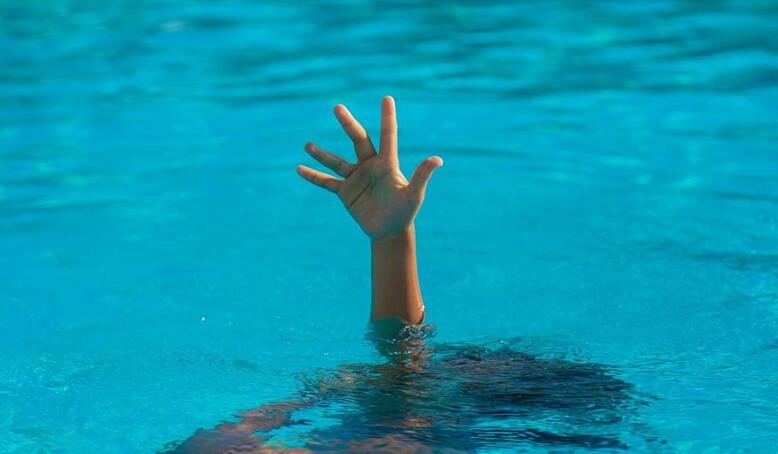
While sunny days still allow, friends and families are bound to still enjoy pool parties and days of fun at water parks.
However, it is vital that caution be exercised to avoid drownings.
According to health insurance provider Affinity Health, drowning is the third leading cause of unintentional death worldwide and the second leading cause of accidental death in the South Africa – most in children under the age of five.
“According to local statistics, about 600 children and 200 adults die each year with the highest drowning cases in KwaZulu-Natal, Gauteng and the Western Cape, followed by the Free State, Eastern Cape and Limpopo.”
Cases of drowning are said to peak during summer, by 63% compared to other seasons.
“One of the greatest dangers that families living in cities need to navigate is making their swimming pool child-safe – one in five fatal drownings happen in home pools.”
Rural communities, however, were also vulnerable to farm dams, rivers and streams.
And without formal swimming skills, people often found themselves in trouble.
“However, drownings don’t only occur in swimming pools, lakes or oceans. Any body of water poses a drowning risk.”
This was particularly the case for infants, babies and toddlers as they can drown in less than 6cm of water – in a sink, toilet bowl, fountain, fishpond, bucket, inflatable pool or small bodies of water around your home such as a ditch or drain filled with rain water.
According to the health insurance provider, these are some of the best ways to prevent a drowning incident:
– Learn to swim, regardless of your age. Adult swim lessons are available in addition to children’s sessions.
– Every swimming pool should be entirely enclosed with a safety fence and covered with a pool net, while pool fence gates should always be locked and keys should be kept out of reach of children.
– Remove any toys, balls, or floating devices that may draw children to the pool area.
– When your child is swimming or playing with or around water, make sure he or she is supervised by a competent adult you know and trust.
– Adults who are observing children in or near water should avoid distractions such as reading, talking on the phone, or drinking alcohol because drowning occurs swiftly and quietly.
– Never leave your child alone in or near water, or in the care of another child.
– Do not rely on air-filled armbands or foam toys (pool noodles) to prevent drownings.
– Learn and practice cardiopulmonary resuscitation (CPR) and other life-saving methods. Knowing how to perform CPR on someone who is drowning could mean the difference between life and death.
– Be prepared and know what to do in the event of an emergency. All emergency numbers should be saved on your mobile or kept close for quick access.
– When holidaying at the coast, choose beaches that have lifeguards and walled tidal pools, and stick within dedicated swimming areas.
– If you are at the beach and encounter someone who is in danger of drowning, immediately notify the lifeguard on duty.
– For persons of all ages and swimming abilities, life jackets lessen the risk of drowning when boating and should always be worn.
Do you have more information about the story?
Please send us an email to editorial@rekord.co.za or phone us on 083 625 4114.
For free breaking and community news, visit Rekord’s websites: Rekord East
For more news and interesting articles, like Rekord on Facebook, follow us on Twitter or Instagram