Pretoria zoo leads global efforts to combat species extinction
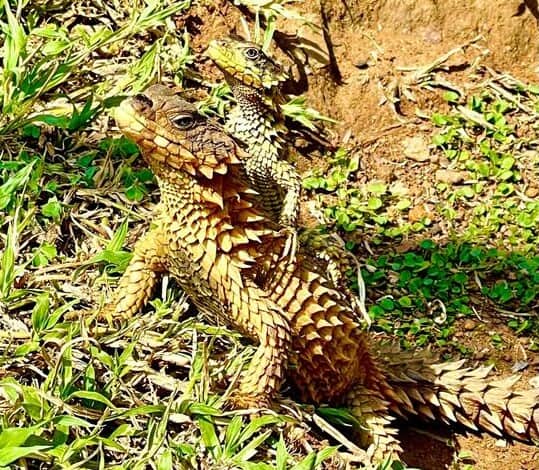
The zoo has had some successes with the following animals that are classified as "threatened": the scimitar-horned oryx, the southern ground hornbill, the cape vulture and the sungazer lizard.
The National Zoological Garden (NZG) in Pretoria is at the forefront of global efforts to combat species extinction and reaffirmed its commitment on Reverse the Red Day, February 7.
This annual global initiative aims to reverse the decline of endangered species and ecosystems through strategic action and collaboration.
NZG spokesperson Nontsikelelo Mpulo said this mission is critical, as 15% of the species housed at the zoo are classified as threatened.
“These species include the Scimitar-horned Oryx, Southern Ground Hornbill, Cape Vulture, and Sungazer Lizard.
They are at risk due to habitat loss, poaching, and human-wildlife interactions.”
Mpulo said February 7 serves as a powerful reminder of the responsibility humanity has to protect the planet’s biodiversity.
“Reverse the Red Day is a moment to reflect on our responsibilities and renew our commitment to preserving biodiversity for future generations,” she said.
Mpulo also emphasised that reversing biodiversity loss requires a global, united effort, with institutions like the NZG playing a pivotal role.
One of the zoo’s most notable successes has been its conservation work with the scimitar-horned oryx, a species once declared extinct in the wild in 2000 due to habitat destruction and excessive hunting.
Through conservation breeding programmes, including those at the NZG, the species has been reintroduced to protected areas in Chad and down-listed to endangered status.
The NZG has been home to this species for 58 years and recently celebrated two major milestones.
“Our milestones include the births of calves in September 2023 and July 2024, with another expected later this year.”
Mpulo highlighted how the recovery of the scimitar-horned oryx demonstrates the effectiveness of conservation efforts.
“The recovery of the scimitar-horned oryx shows that conservation can work when we act decisively.
It’s a victory not just for the species but for biodiversity as a whole,” she said.
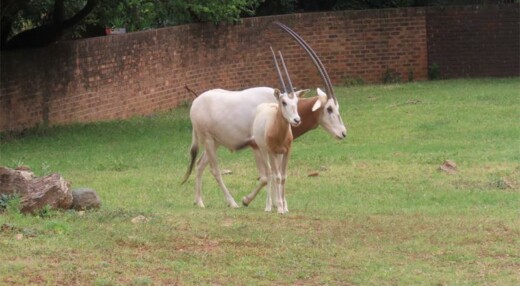
Image: Supplied
Another species that has benefitted from the zoo’s conservation efforts is the Cape Vulture, a bird classified as vulnerable on the International Union for Conservation of Nature (IUCN) Red List.
Since 1996, the NZG has been breeding these essential scavengers, which play a critical role in ecosystems by disposing of carrion and preventing the spread of disease.
ALSO READ: Pretoria Zoo celebrates 125 years of conservation and education
“Our work aligns with South Africa’s Multi-species Biodiversity Management Plan for Vultures, which aims to restore vulture populations by 2033.”
Mpulo noted that they have also made strides in their efforts to conserve the sungazer lizard, which is currently under threat from habitat loss and illegal hunting.
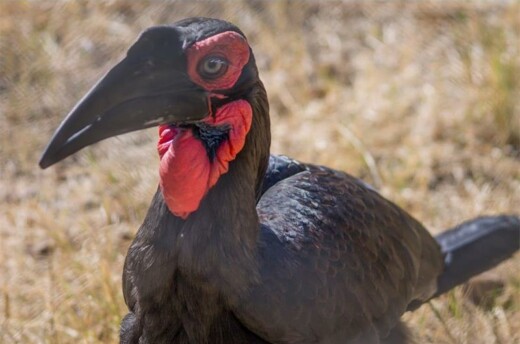
Image: Supplied
She said 99% of its population exists outside protected areas.
“In partnership with the Endangered Wildlife Trust (EWT) and the Sungazer Working Group, the NZG is leading conservation efforts by breeding and rehabilitating confiscated lizards,” she said.
“With five successful births since 2020 and 30 lizards currently housed, the zoo is working to secure the future of this critically threatened reptile.”
Mpulo expressed hope for the future, stating that the zoo’s research and expertise could inspire further action.
“By sharing research and techniques, we hope to inspire the creation of protected conservation areas for sungazers. Collaboration is key to their survival,” she said.
The NZG’s efforts also extend to the southern ground hornbill, a species it has been helping to conserve since 1995.
Chicks harvested from the Kruger National Park were reared at the zoo before being released into the wild, including into neighbouring eSwatini.
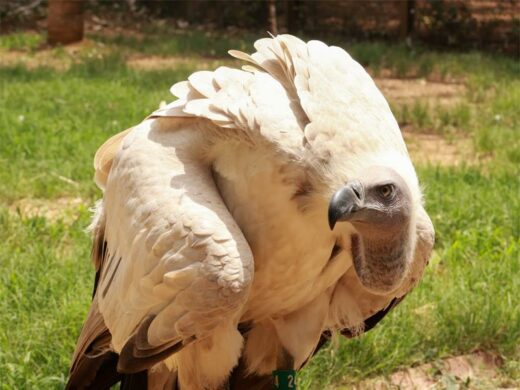
Image: Supplied
“Today, the zoo continues to support this initiative by housing birds destined for reintroduction and closely monitoring breeding pairs for future releases.”
NZG Director Animal Collections and Conservation Tracy Rehse emphasised that these efforts are an essential part of the zoo’s broader mission.
“Our commitment to conserving these species reflects our broader mission to protect biodiversity.
Through dedicated breeding programmes and habitat preservation, we aim to secure a future for these remarkable animals.”
Do you have more information about the story?
Please send us an email to bennittb@rekord.co.za or phone us on 083 625 4114.
For free breaking and community news, visit Rekord’s websites: Rekord East
For more news and interesting articles, like Rekord on Facebook, follow us on Twitter or Instagram