Metro clarifies Rietvlei picnic site closure after pollution concerns
There was confusion over the Marais Dam picnic site after earlier comments suggested it had been closed because of pollution. Meanwhile, a water expert says more transparency and stronger action are needed to address ongoing contamination entering the Rietvlei system.
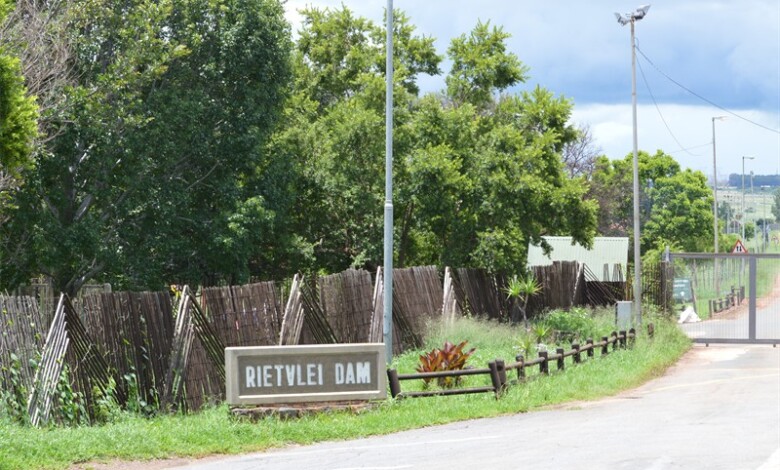
Pollution flowing into one of Gauteng’s most important conservation areas is raising fresh concerns about the future health of the Rietvlei system. New research shows phosphorus levels far above legal discharge limits and warns that the contamination is not an isolated incident but part of a recurring problem.
While the metro maintains that the source of the pollution lies outside its jurisdiction, scientists are questioning whether enough is being done to prevent long-term damage to biodiversity, water resources and one of Pretoria’s key recreational areas.
Responding to questions about immediate safety measures, metro spokesperson Lindela Mashigo said steps had been taken to protect visitors, staff, wildlife and the ecosystem at Rietvlei Dam. This included areas around the Marais Dam picnic site, as well as Pretoria residents supplied with water from the system.
In an email to Rekord on July 24, Mashigo said the Marais Dam picnic site had been fenced off. This was done to prevent visitors and staff from coming into direct contact with the affected water.
However, Mashigo clarified the statement on July 30 after readers pointed out on social media that the picnic site had not been closed.
“The Marais Dam itself is enclosed with a fence, which means visitors and personnel cannot come into direct contact with the water when using the picnic site and the bird hides. The picnic site remains open and in use, with no risk of people coming into direct contact with the water in the dam because of the existing fence,” he said.
He further explained, despite his previous statement, that the fence had not been erected in response to the pollution.
“Marais Dam has always been fenced to prevent animals such as the hippo from wandering into an area frequented by visitors.
“The source of the pollution has been identified as originating upstream of the Rietvlei system. As the source falls outside the City of Tshwane’s area of jurisdiction, the city is unable to directly intervene at the point of origin,” Mashigo said.
He said investigations had linked the deterioration in water quality to poor-quality effluent entering the Rietvlei system from upstream.
The city, he said, continued engaging with the authorities responsible for wastewater management while implementing measures to mitigate the impact on the Rietvlei system and protect its water supply infrastructure.
Mashigo added that the city had been monitoring water quality within the Rietvlei system for some time and did not regard the situation as one involving repeated legal exceedances within Rietvlei Dam that would require the permanent closure of the Rietvlei Water Treatment Plant.
Although the plant remains temporarily non-operational, he said drinking water supplies have not been affected because alternative treatment facilities and water sources continue to provide potable water to residents.
According to the metro, no pollution incidents have been recorded within Rietvlei Dam itself where water quality test results exceeded the applicable legal limits.
Mashigo said accountability for pollution entering the system rests with the authorities responsible for the upstream catchment. He acknowledged that no definitive timeframe could be provided for restoring water quality because corrective work depends on infrastructure and authorities outside the metro’s jurisdiction.
Several of Mashigo’s statements were put to water and pollution expert Dr Michael van der Laan for comment.
Van der Laan questioned several aspects of the city’s response, asking whether th Ekurhuleni Water Care Company (ERWAT) was actively reducing pollutant levels and calling for greater transparency on the measures being implemented.
He said the water quality appeared to have shown little improvement after nearly a year and questioned whether the Hartbeesfontein Wastewater Treatment Works was the only source of contamination or whether additional upstream pollution sources had been identified.
Van der Laan also called on the city to release its water quality monitoring data, including phosphate-phosphorus measurements.
He noted that Rand Water is a bulk potable water supplier rather than the authority responsible for upstream wastewater pollution.
He said it should be made clear which entities are accountable for stopping the contamination at its source, namely the operator of the upstream wastewater treatment works and the national regulator responsible for overseeing it.
While welcoming measures to safeguard drinking water, Van der Laan said the metro’s response focused largely on potable water and visitor safety without adequately addressing the ongoing impact on biodiversity, aquatic ecosystems and the reserve’s recreational value.
He also questioned how resilient the city’s alternative water supplies would be during prolonged drought conditions.
Van der Laan called for a publicly available roadmap outlining responsibilities, funding and timelines to stop pollution entering the Rietvlei system.
He said regular public updates on regulatory action and compliance measures were essential, warning that pollution settling in the dam’s sediments could have environmental consequences for decades.
- Rietvlei pollution: Sampling shows legal limits exceeded
- Rietvlei pollution forces closure of picnic site
Do you have more information about the story?
Please send us an email to bennittb@rekord.co.za or phone us on 083 625 4114.
For free breaking and community news, visit Rekord’s websites: Rekord East
For more news and interesting articles, like Rekord on Facebook, follow us on Twitter or Instagram or TikTok or WhatsApp Channel