New health MEC a man on a mission
Healthcare institutions like hospitals and clinics function with committed personnel, working equipment, enough supplies to perform services, and reduced waiting times for patients.
POLOKWANE – Healthcare institutions like hospitals and clinics function with committed personnel, working equipment, enough supplies to perform services, and reduced waiting times for patients.
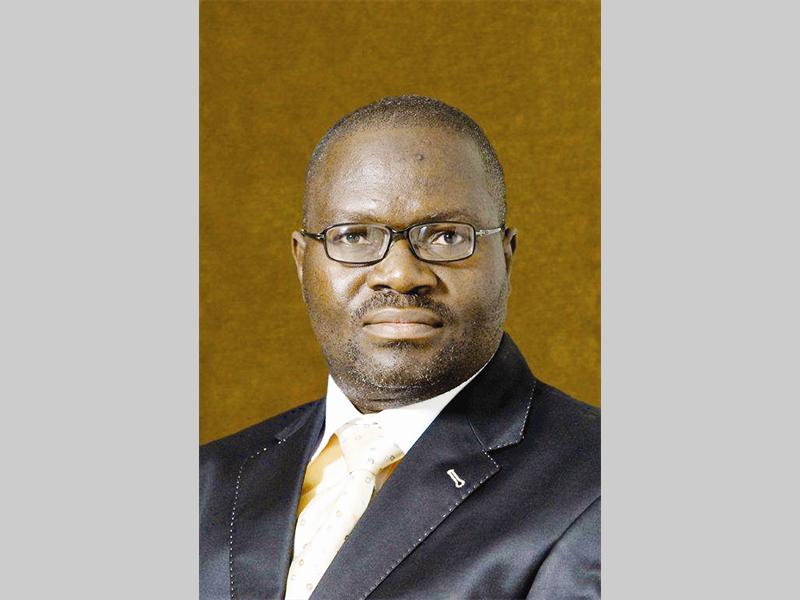
These are some of the changes health MEC Ishmail Kgetjepe says people can look forward to over the next five years. Kgetjepe, the former cooperative governance, human settlement and traditional affairs (Coghsta) MEC, was appointed health MEC after the general elections in May.
Healthcare in the city seems to be in a downward spiral, judging not only by the strike at the Pietersburg Provincial Hospital about two weeks ago, but also the generous amount of media coverage in recent weeks relating to equipment and service shortages.
Kgetjepe said there would be an intensive investigation to find out exactly what the problems were that were causing the shortfall in service delivery. The findings of the investigation would then result in the development of a strategy on how to overcome these problems to improve service delivery for public healthcare, he said.
“A budget shortfall in equipment replacement is one of the issues, but this is no excuse. We must ensure that the equipment we do have is working and maintenance is done on time to ensure this. We are also working on replacing old equipment with new, but this will take time because there are certain procedures that need to be followed,” Kgetjepe explained.
The shortage of medication at healthcare institutions could also be blamed on mismanagement, and this was one of the areas which would be focused on.
“We must order stock in advance and not when we see there is nothing left. We must ensure that there are always enough supplies so that we never fall short. I will also be making unannounced visits to the different healthcare institutions as a civilian to monitor the service people get from personnel, and also to experience what the public have to go through, so that we can improve in all areas,” Kgetjepe said.
He added that the department could only improve on service delivery if the public gave input. Kgetjepe appealed to residents to call the MEC’s hotline at 0800 91 91 91 if they had any complaints or suggestions on how to improve service delivery.
He further said compared to Coghsta, there was a big difference in the challenges he faced being health MEC.
“The health department is different, because it is a matter of life and death. A problem at a hospital or a delay in service delivery can cost someone’s life, and that cannot be rectified; it is irreversible,” he said.
Kgetjepe said his family was his support system and he was very grateful to have them in his life. “My wife and children support me. My work is of such a nature that I don’t get to take my children to school or take them to the movies, because I am so busy. My children never hold this against me. My extended family also supports me very much, and often steps in when needed,” he said.
Asked what the most rewarding aspect of his work was, he said changing things for the better and seeing that people benefitted from this was the most rewarding.
“How does one know if people benefit? When they talk about the good healthcare that they received. And that is my goal as MEC.”