
Is your dog making an odd ‘honking’ sound, they may have kennel cough
Your dog might have picked up a bad cough and it can be concerning. Dr Johann Erlank, vet at Molly Hawken Animal Clinic explains kennel cough and what the signs and symptoms are
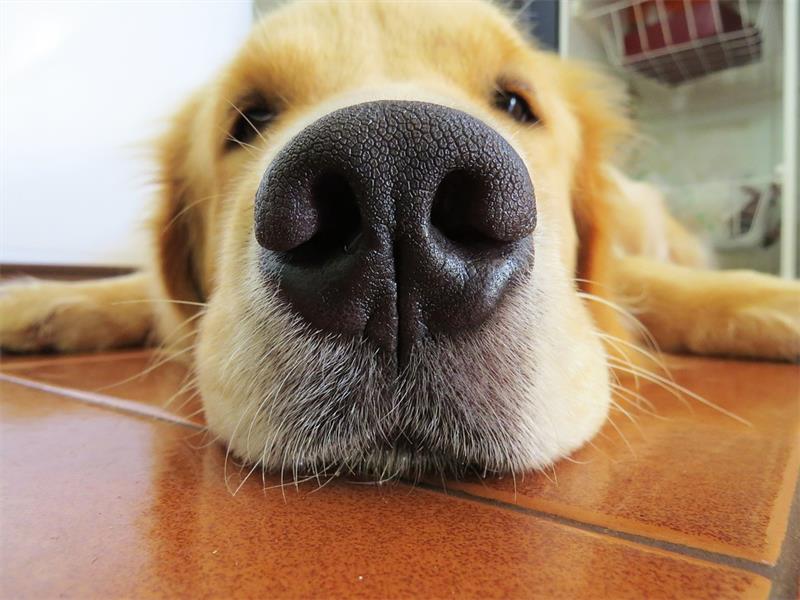
POLOKWANE – For most dog owners our four-legged friends are more than just a protector. They are our children, our confidantes and our friends that we often take with us to a park or other outings and when we go away we make sure they are booked in at a kennel or have someone you can trust to look after them.
We know our dogs and almost immediately notice if they are not feeling well. This stage often passes by quickly and in no time at all they are wagging their tail, but at times it can be more serious.
One day your dog might be healthy and the next he is lethargic, has loss of appetite and has picked up a strong cough, often with a “honking” sound, and you realise a trip to your vet is unavoidable.
Without doubt the vet concludes that your dog has kennel cough, a highly contagious respiratory disease in canines.
Kennel cough is also known as canine infectious tracheobronchitis. Dogs commonly contract this disease at places where large amounts of dogs come together such as boarding houses and daycare facilities, dog parks, training groups and dog shows.
“Dogs can spread it to one another through airborne droplets, direct contact such as touching noses, or contaminated surfaces, including water and food bowls. The virus itself cannot be treated but secondary infections can be limited by proper treatment. Young and immune-compromised dogs are more susceptible,” explains Dr Johann Erlank, vet at Molly Hawken Animal Clinic.
Other symptoms include a runny nose, sneezing and coughing up a lot of mucous. It is important to report the symptoms to your vet as it can also be a sign of a more serious disease. Both the canine distemper virus and canine influenza virus both start off with symptoms nearly identical to kennel cough. Other conditions that can cause coughing include a collapsing trachea, bronchitis, asthma and even heart disease.
“Mild cases of kennel cough are typically treated within a week or two of rest, but a veterinarian may prescribe antibiotics to prevent a secondary infection and cough medication to ease the symptoms. Kennel cough can be prevented with a vaccine,” Erlank says.
He adds that dog owners should ensure their pets’ vaccinations are up to date. If you notice your pet coughing or if you plan to introduce your dog to large groups of animals, consult with your veterinarian first, Erlank concludes.