Love your bones and lead a healthy lifestyle to avoid Osteoporosis
World Osteoporosis Day is celebrated annually on 20 October and marks a year-long campaign dedicated to raising global awareness of the prevention, diagnosis and treatment of the disease
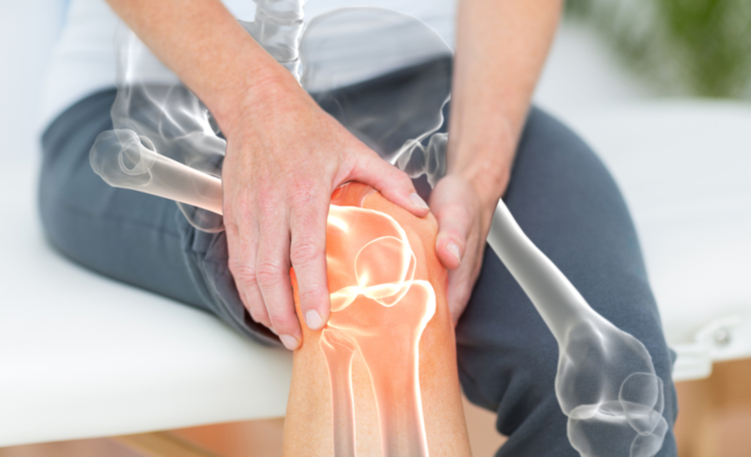
POLOKWANE – Osteoporosis is a growing global problem and worldwide, fractures affect one in three women and one in five men over the age of 50.
Osteoporosis is a bone disease that occurs when the body loses too much bone, makes too little bone, or both. As a result, bones become weak and may break from a fall or, in serious cases, from sneezing or minor bumps.
World Osteoporosis Day marks a year-long campaign dedicated to raising global awareness of the prevention, diagnosis and treatment of the disease. The day aims to make osteoporosis and fracture prevention a global health priority by reaching out to health-care professionals, the media, policy makers, patients, and the public at large.
Osteoporosis is described as a silent, expressionless disease whose number one problem is the increased risk of bone fractures. Osteoporotic fractures occur in situations where healthy people would not normally break a bone and fragility fractures appear in the spine bones (vertebrae, rib, hips, and the wrist).
Dr. Kenneth Hansraj, an orthopedic surgeon says Dexa scans are only apporpriate for those with moderate risk of fracture for women over 65 and men over 70. “Younger women and men between the ages of 50 and 69, should consider the test if they have risk factors for serious bone loss. This test tells your bone mineral density,” he said.
Dr Hansraj added that people who suffer from Osteopenia, are at higher risk of having osteoporosis. “Osteopenia is a condition that begins as you lose bone mass and your bones get weaker. This happens when the inside of your bones become brittle from a loss of calcium. It is very common as you age. Total bone mass peaks around age 35,” he said.
Awareness is key:
Awareness of osteoporosis and its problem could lead to taking the steps necessary to prevent stooping, fractures and pain. In order to prevent bone loss during the middle ages and avoid late stage fractures, one must also consider safety. Great bones are made by paying attention to calcium and vitamin D intake, the pounding of weight-bearing exercise, and strength training. “Prevention of Osteoporosis should ideally begin in childhood, aiming to achieve high peak bone mass and overall a healthy lifestyle throughout life.”
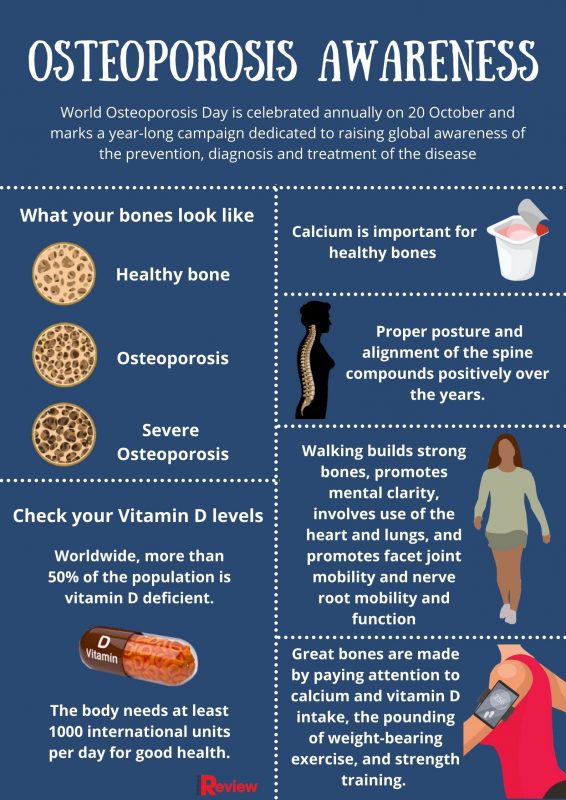
Dr Hansraj also suggests checking your Vitamin D levels. “If you shun the sun, have milk allergies, or follow a strict vegetarian or vegan diet, you might be at risk of a vitamin D deficiency. Low blood levels of vitamin D has been associated with increased risk of death from cardiovascular disease, severe asthma in children, cognitive impairment, and cancer. Research suggests that vitamin D could play a role in the prevention and treatment of type1(juvenile) and type2 (adult onset) diabetes, hypertension, glucose intolerance and multiple sclerosis,” he explained.
As calcium is critical in the development of healthy bones, ensuring you and your family maintain a bone healthy lifestyle is of utmost importance.