
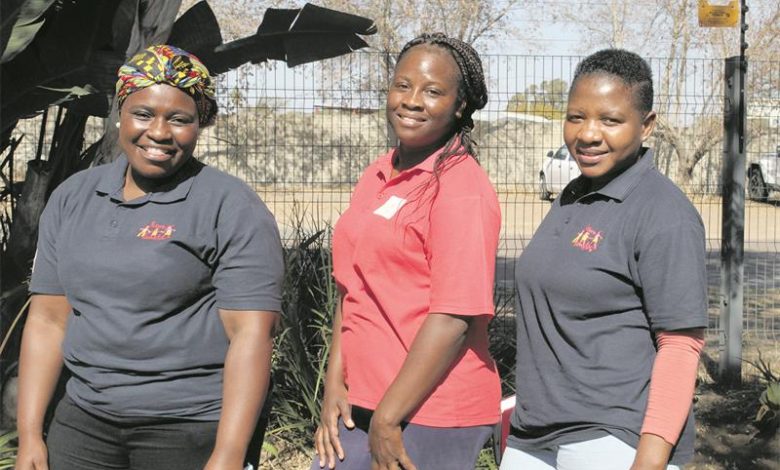
Future Families is a non-profit organisation that was founded in 2010 in Tshwane. It now also operates in the Capricorn district targeting Polokwane, Blouberg and Lepelle Nkumpi municipalities.
Kudzai Mashava, a social worker and case manager for the organisation explained that they empower families to create a better future for the sake of the children and for the collective future of the country. “We have programmes that are running within the organisation, one of which is with evidence-based interventions sessions called Stepping Stones, aimed at male and female youth from 15 to 19 years,” she explained.
Stepping Stones aims at improving young people’s psychological well-being, promote sexual health, HIV prevention and gender-based violence prevention. Future Families provides care and support to families with members who are infected and affected by HIV/aids to ensure that children in need have a safe, nurturing environment to grow into independent, empowered adults capable of planning their own future. They also have a programme targeting only females between 15 to 19 years old called, IMsafer/ImPower that teaches young girls about claiming their rights, improving their self-esteem and teaching them about self-defense mechanisms. Mashava added that they would like for out-of-school young people to be aware of these sessions and attend them so that we can all fight the gender-based violence pandemic and also create awareness on Pre-Exposure Prophylaxis (PrEp).
The organisation also offers post-violence care at the Thuthuzela Centre in Mankweng for survivors of sexual and physical abuse through its social workers. “We urge you to go to your nearest clinic which should also have post violence care and it if they don’t, they will refer you to another institution. This is where they will receive psycho social support and treatment for injuries and be assisted by psychologists and receive PrEp. There are measures in place to help you in a safe environment,” she said.
Future Families requests that people be aware that they are around, and give them the time when they conduct house-to-house campaign, as they are met with skepticism. People they speak to need to sign a consent form and they will have to share their personal details with the facilitators. “One of our biggest struggles is finding venues to run the sessions from and we appeal to communities to assist us. This can be a church, community hall or even a garage. We promise to adhere to Covid-19 regulations and we offer refreshments and transport at the end of the sessions,” she added.