
Plans underway to resolve GNT pension fund debacle
A forensic report revealed that approximately 800 former employees have been waiting for their pensions – some for as long as 34 years.
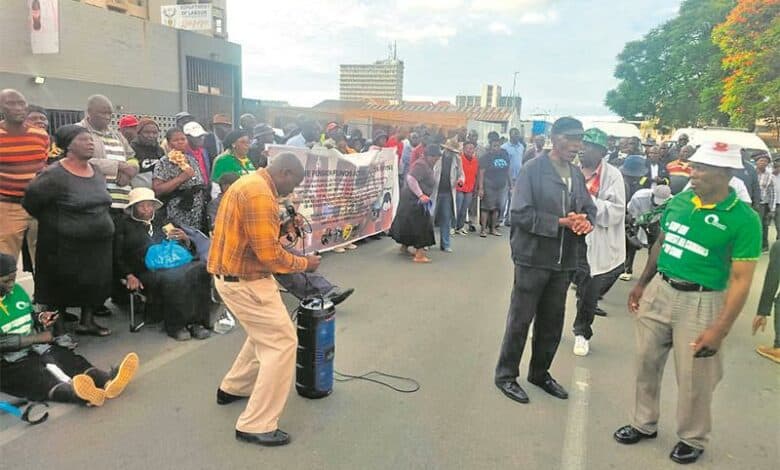
POLOKWANE – The Limpopo Economic Development Agency (Leda) has been directed to start the procurement and appointment of an independent company to determine the precise amounts owed to beneficiaries of the Great North Transport (GNT) pension fund.
Read more: Limpopo Treasury implements plan for missing GNT funds
The decision, announced on Tuesday, comes after a forensic report revealed that approximately 800 former employees have been waiting for their pensions – some for as long as 34 years.
Out of the 1 163 affected individuals, 991 have been located, with 172 still unaccounted for, according to GNT spokesperson Leo Gama.
He also noted that 45 applications are in the final stages of processing, with completion expected soon.
The forensic report highlighted that the R300m in pension payments never reached the rightful beneficiaries. While GNT admitted the funds had not been disbursed, the report recommends referring the matter to law enforcement for investigation into potential criminality.
Beneficiaries, along with the Make It Happen Foundation, have held vigils and protests at the Premier’s office, calling for accountability.
You might also want to read: Widows protest over unpaid GNT pension funds
The foundation’s representative, Herry Masindi, asked for oversight in the matter to ensure transparency and prevent interference in resolving the issue.
A preliminary project plan indicates that:
The independent company’s final report will be submitted to the MEC by the end of May.
A preliminary investigation report will be shared with all parties before submission to the MEC.
The Department of Economic Development overseeing Leda has been urged to involve law enforcement agencies to address any potential wrongdoing by the end of January.
“Beneficiaries believe someone must account for the possible misuse of their money and for withholding it for so long,” Masindi said.
The issue officially came to light in 2017, following years of beneficiaries pleading for resolution.