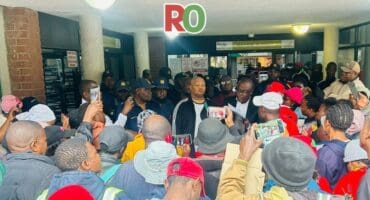
Polokwane achieves grade 6 municipality status
Municipal spokesperson, Thipa Selala said the upgrade is designed to enhance service delivery.

With a total income exceeding R2 138 230 and a population of more than 2 229 001, the city has reached grade six status and is now at the same level as the other metropolitan local authorities in the country.
Although grade six is the highest level of municipalities, the city has not been declared a metro as yet and there is still work to be done before the dream of Mayor John Mpe could be realised.
Spokesperson for the municipality, Thipa Selala said a roadmap towards the declaration of the city as a metro, will now be developed but did not elaborate on what it will involve.
The upgrading to level six mainly involves larger remuneration packages for councillors and officials and according to the Determination of Upper Limits of Salaries, Allowances and Benefits of Different Members of Municipal Councils that was recently published by the Minister of Cooperative Governance and Traditional Affairs, Velenkosini Hlabisa, full-time councillors will receive more than part-time councillors.
A full-time mayor will receive a total package of R1 546 392, while the Speaker and a member of the mayoral committee will be paid R1 248 895 and R1 176 440 respectively. Chairpersons of section 79 and 79A committees will receive R1 141 930 per annum. A part-time mayor will receive a total package of R866 811, while the speaker and a member of the mayoral committee will be paid R733 286 and R656 300 respectively.
Chairpersons of section 79 and 79A committees will receive R637 048 per annum. All other councillors will be renumerated at R579 134 per annum.
The allowances of the office bearers are all-inclusive, except for a monthly cell phone allowance not exceeding R3 600 and data to the amount of R137.
The upper limits will be effective from July 1, 2023, as it is based on the figures of the previous financial year.
The DA acknowledged the ANC’s celebratory mood following the regrading of Polokwane Municipality to a level six municipality but asserts that this is no cause for celebration.
“Residents of Polokwane continue to endure collapsing infrastructure, failing service delivery, limited growth and development, and opportunities under the ANC-led Polokwane Municipality,” provincial leader, Lindy Wilson said.
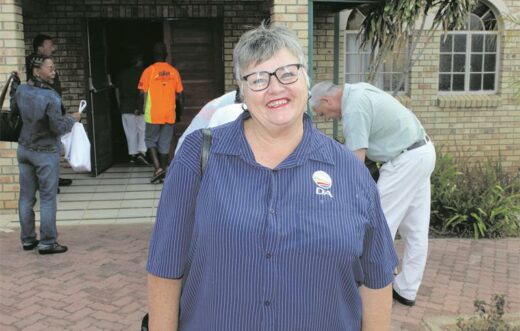
According to Wilson, the regrading of the municipality will not bring about a miraculous turnaround for the citizens of Polokwane. “Instead, it will primarily result in the mayor, executive members and councillors earning significantly higher salaries,” she said.
“Moreover, we will strongly oppose any attempt to impose metropolitan municipality status on Polokwane until its governance failures and service delivery issues are adequately addressed,” Wilson assured.
DA spokesperson on finance in the municipality, Jacques Joubert said the DA notes the recent upgrade to level six status, one step closer towards the city becoming a metro.
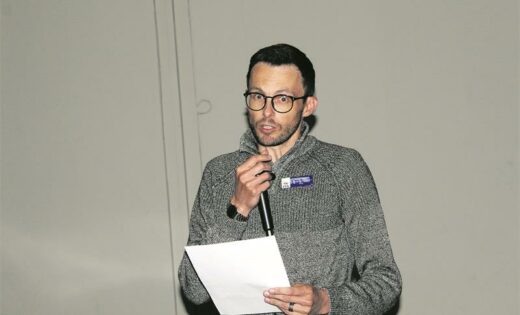
“We however feel, with many service delivery concerns including inadequate water supply, non-functional streetlights and a deteriorating road and stormwater infrastructure in the city needing urgent attention we should be cautious pushing for a metro status too hastily,” Joubert said and added that although there are financial benefits, there are also additional financial expenses that come with it.
Joubert assured that the DA will be requesting a full report to be submitted to council with a clear road map towards Polokwane becoming a metro that clearly outlines the financial expectations and commitments.
“Should Polokwane become a metro, we would need a consistent collection rate of 95% and to grow our contributing ratepayers base. A feature of a metro is extensive development within its geographical area, which comes with greater demands on water supply among other factors, something Polokwane does not have much of at this stage,” Joubert stressed.
Selala explained that the grading of the municipality to grade six is determined by factors such as the revenue collected and the population it serves.
“This upgrade is designed to enhance service delivery. As the municipality strengthens its revenue collection, this money is reinvested into critical services that directly impact the community, including water provision, waste management, road maintenance and other essential municipal functions. This ensures that resources are effectively allocated.
Upgraded municipalities are more stable and attractive to investors. This can lead to increased economic activity, job creation, and business opportunities for residents,” he added.