
Unlicensed spaza shops in Limpopo to be shut down in March
The Department of Economic Development says only licensed spaza shops or those with proof of pending applications will be allowed to continue operating moving forward.
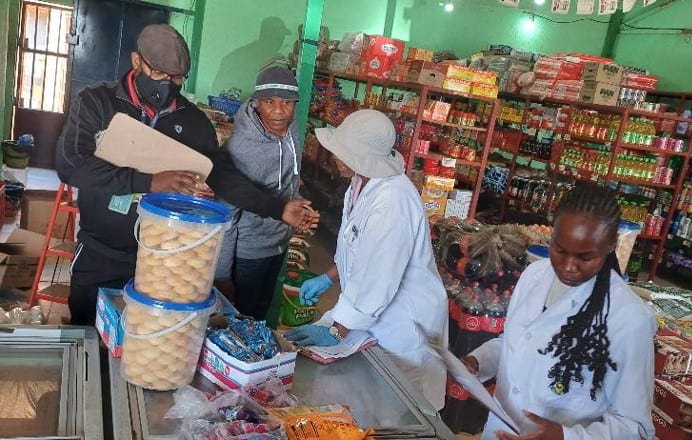
POLOKWANE – The Department of Economic Development has announced that all unlicensed spaza shops are expected to be shut down by this month.
This follows a three-month registration window from November 14 to February 28, during which President Cyril Ramaphosa compelled owners of all qualifying spaza shops to comply with new regulations.
Read more: Spaza Shops: Customers should demand registration certificate
The push for registration was spurred by incidents in which children died in various parts of the country, including Limpopo, apparently after consuming contaminated food from unregulated spaza shops.
Many of these shops were found to be non-compliant with the required health and safety standards.
As a result, authorities conducted numerous inspections and allowed grace periods for shops operating under unsanitary conditions, such as those where food and stock were stored or prepared in living spaces.
You might also want to read: 80% of Polokwane’s spaza shops fail health standards
According to departmental spokesperson Zaid Kalla, over 5 700 registration applications were received by local municipalities, with 77.6% of the applicants being foreign nationals.
This statistic highlights the prevalence of spaza shops in townships and villages being owned by foreign nationals.
Concerns have also been raised about citizens being coerced into registering spaza shops on behalf of undocumented foreign nationals, especially since the regulations were reportedly more lenient for South African citizens.
Kalla clarified that foreign nationals must meet strict investment criteria to qualify for registration, including investing millions into businesses that benefit the country.
He urged South African shop owners to take advantage of the opportunity to legally register their businesses, and said the department was pleased with the peaceful cooperation between business registration officials, municipalities and the public.
You might also want to read: No place for expired goods in our spaza shops say Seshego residents
“The department is confident that all spaza shop owners will take full responsibility for their registered businesses and remain accountable for all stock sold on their premises,” Kalla said.
Only licensed spaza shops or those with proof of pending applications will be allowed to continue operating moving forward.