
80% of Polokwane’s spaza shops fail health standards
Many spaza shops in Polokwane, Westenburg, Mankweng and Seshego are unregistered and operated by undocumented foreign nationals.
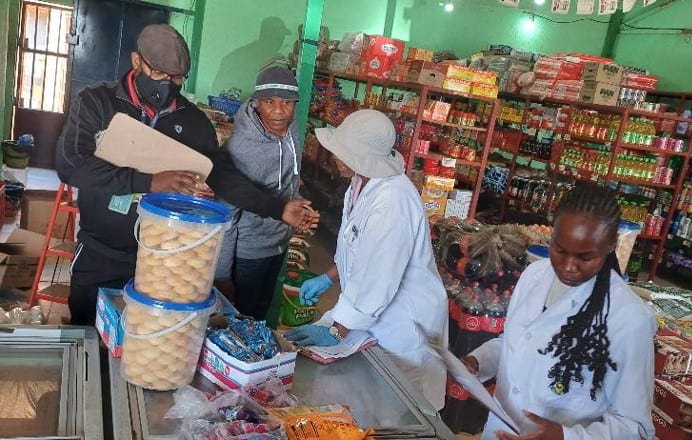
POLOKWANE – The Department of Economic Development has issued a stern warning to citizens enabling illegalities in local small businesses, as a three-week grace period for regulatory compliance started this week.
The warning comes amid heightened inspections by authorities, including the department, Polokwane and Capricorn District Municipalities, police, and community members, following President Cyril Ramaphosa’s concerns about pesticide-related illnesses and deaths, which are suspected to have originated from contaminated food.
You might also want to read: Limpopo Education Department lifts school food sale ban
Inspections in areas such as Polokwane, Westenburg, Mankweng, and Seshego revealed that over 80% of spaza shops, hawkers, and wholesalers failed to meet health and safety standards.
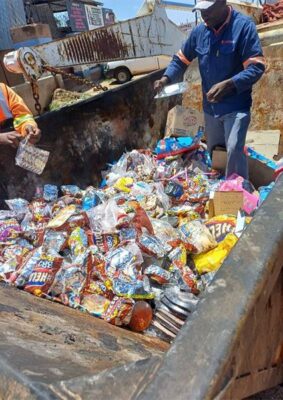
Many were unregistered and operated by foreign nationals without proper documentation, departmental spokesperson Zaid Kalla stated.
Key health and safety requirements include registering with local municipalities within 21 days of opening, ensuring proper sanitation practices, and avoiding using trading spaces as sleeping quarters.
Authorities have also discovered that some South African citizens rent out their properties to foreign nationals who operate spaza shops, often selling expired goods.
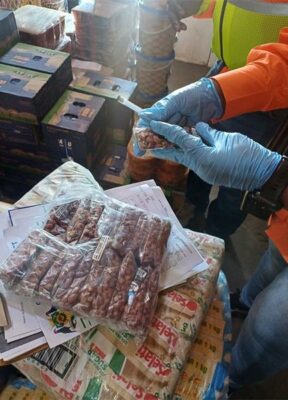
Additionally, individuals reportedly use their names to register businesses for foreign nationals who are not legally permitted to operate such enterprises unless they meet specific home affairs criteria, such as possessing a business permit and R5m in assets.
Kalla warned that failure to comply with regulations within 21 days would result in legal consequences for both operators and landlords.

“These illegal activities funnel money away from our formal economy, funding unlicensed gambling, human trafficking, and drug dealing. Our goal is to professionalise these businesses, ensuring they make a legitimate contribution to the economy,” Kalla concluded.