
R15m in road unworthiness fines for Great North Transport
Great North Transport faces over R15m in penalties for unroadworthy buses, amid concerns over safety and aging fleet conditions.
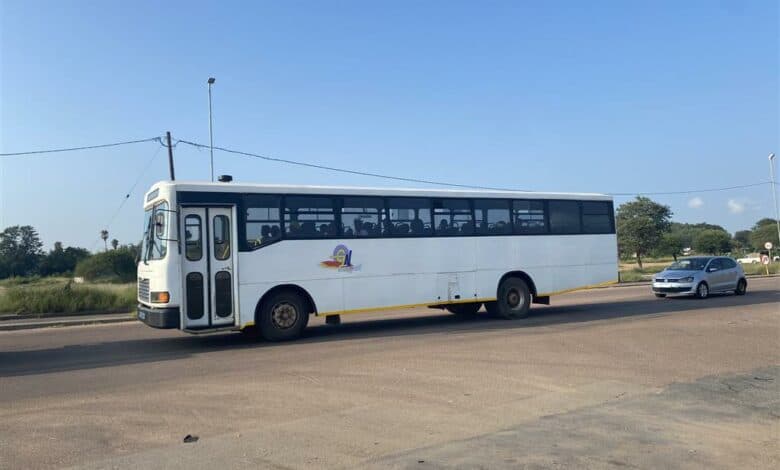
POLOKWANE – Great North Transport (GNT) has racked up over R15m in road unworthiness penalties due to poor bus conditions between March 2018 and 2019.
This was revealed in a recent Scopa (Standing Committee on Public Accounts) meeting in the Limpopo Legislature, highlighting ongoing concerns about the state of the provincial bus service.
The Department of Roads and Transport imposed these fines for non-compliance with the National Land Transportation Act, which requires all vehicles to meet road safety standards.
On top of that, GNT accumulated over R500 000 in traffic fines, mostly for running unroadworthy buses, faulty safety indicators, and expired permits.
You might also want to read: President orders SIU to investigate Great North Transport
Government spokesperson Zaid Kalla acknowledged the issue but downplayed it, calling the roadworthiness concerns “possibilities of minor fleet faults which might at times attract a traffic fine”.
He assured that measures were in place to rectify non-compliance, emphasising GNT’s bus refurbishment project and plans to acquire 162 leased buses by the end of the financial year, alongside 120 brand new buses in the pipeline.
He also defended the company’s aging fleet, saying GNT buses endure harsher road conditions than most operators as they travel deep into rural communities.
The DA’s Jacques Smalle slammed GNT’s poor bus conditions and said they would file a police complaint against both the company and the department for recklessness.
“We will bring this matter to the attention of the Special Investigating Unit, which is already probing GNT under a presidential proclamation,” he said.
You might also want to read: 34-year pension fund scandal rocks Great North Transport
He added that if a fatal accident were to occur, culpable homicide charges – which carry the potential for a life sentence – could be pursued.
Despite these issues, passengers who rely on GNT buses daily are caught in a difficult situation.
They appreciate the affordable fares but say the service is unreliable, with frequent breakdowns and aging buses causing major safety hazards.
One notorious bi-articulated bus that carries passengers from Moletjie, Seshego, and surrounding areas into Polokwane’s malls, industrial areas, and suburbs has been a health risk.
Commuters say, among other issues, that the buses break down frequently; kick up so much dust that it causes coughing and respiratory issues; and often become faulty because of its old and deteriorating condition.
In one incident last year, smoke emanated from under a GNT bus after picking up passengers at extension 71, which resulted in another bus having to transport commuters.
While acknowledging these challenges, Kalla noted that GNT has resisted increasing fares, trying to keep public transport accessible to the majority.