Limpopo experts translate gender terms into Xitsonga, Sepedi & TshiVenda
Limpopo launched indigenous language gender terminology booklets to enhance inclusive discussions on gender equity, GBV, and LGBTQ+ issues in local communities.
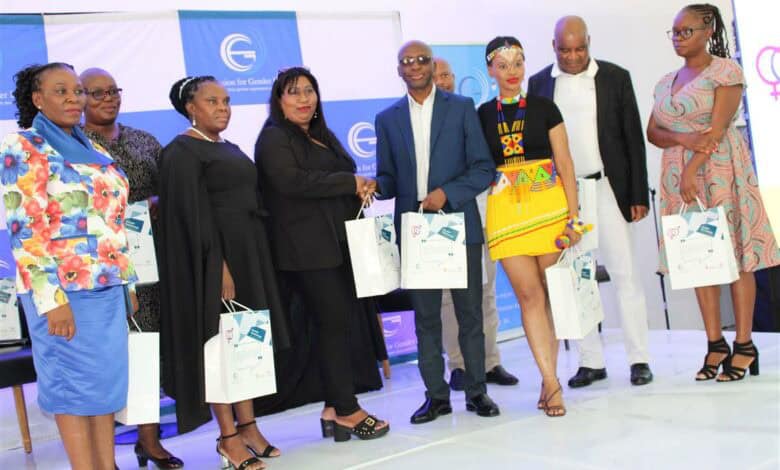
POLOKWANE – A recently launched set of gender terminology booklets in three Limpopo indigenous languages – Xitsonga, Sepedi and TshiVenda – aims to facilitate more inclusive discussions on gender equity, gender-based violence (GBV) and LGBTQ+ inclusion.
The booklets, officially launched by the Commission for Gender Equality (CGE) on Friday, provide simplified definitions of gender-related terms to ensure effective communication in local dialects.
Linguists and speakers of the three languages contributed to the research and formulation of these booklets, ensuring cultural and linguistic accuracy.
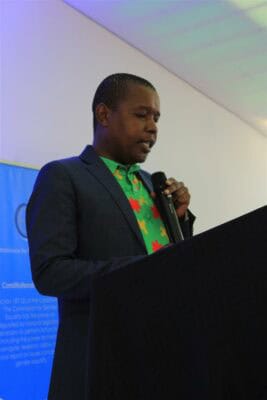
CGE’s national commissioner in Limpopo, Adv Thando Gumede reiterated that having the correct terminology enables better engagement on gender matters within communities and government.
She highlighted that gender is often complex to define but should always be approached with humanity, in the spirit of ubuntu.
“Engage with people on the basis of their humanhood by accommodating their right to live. Ask about gender pronouns, observe, and then engage,” she said.
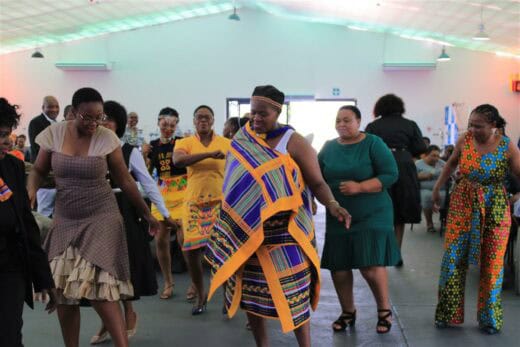
Provincial Legislature speaker, Makoma Makhurupetje praised the initiative during the launch event at Park Inn by Radisson Hotel in Polokwane.
She stressed the importance of accurate gender representation in public participation processes and committed to ensuring the booklets are used correctly within the provincial parliament.
She also acknowledged the need to include men in gender equity discussions, particularly in the lead-up to International Women’s Day that was celebrated on March 9.
The translation process was not without challenges, as finding appropriate terms in indigenous languages required careful deliberation.
Experts from the Universities of Venda and Limpopo played a key role in refining terms such as “gay” and “lesbian” to ensure they were both culturally and linguistically appropriate.
Diana Magamana from the Department of Sport, Arts and Culture acknowledged the complexity of the translation process but highlighted its necessity.
“Even basic terms like ‘male’ and ‘female’ had to be carefully evaluated, considering the perspectives of current and future generations,” she noted.
Polokwane Municipality’s culture MMC, Jerry Mambolo, welcomed the launch, noting its significance in advancing local languages and cultural development.
“This is a step in the right direction for improving language and culture within local government,” he said.