
Flight delay risks as Polokwane airport’s landing systems remain offline
The Polokwane International Airport faces new flight disruptions after aviation authorities halted key flight procedures for safety checks.
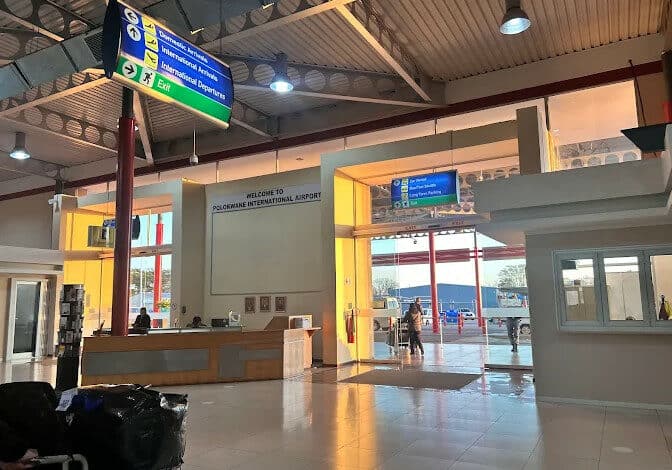
POLOKWANE – Passengers travelling to and from the Polokwane International Airport are once again facing flight delays and cancellations, as critical flight procedures have been suspended due to a national aviation compliance issue affecting some airports in South Africa.
The Air Traffic and Navigation Services (ATNS) confirmed that key instrument flight procedures (IFPs), which help pilots land safely in low-visibility conditions, are currently suspended as part of a mandatory national recertification process with the South African Civil Aviation Authority.
The Kruger Mpumalanga International Airport and the Chief Dawid Stuurman International Airport in Gqeberha have also been impacted by the suspension.
Linked to earlier weather-related landing challenges:
This development comes just months after the initial suspension was lifted in April 2025, when Limpopo Premier Dr Phophi Ramathuba confirmed that flight operations in Polokwane had resumed.
At the time, she warned that landings during bad weather could still be problematic due to the lack of an Instrument Landing System (ILS).
Read more: Flights resume at Polokwane Airport after week-long suspension
“When the weather is bad, this particular area becomes worse, making it hard for flights to land. Pilots cannot see the runway, hence the need to procure the ILS,” she said at the time.
The ILS, which allows aircraft to land safely in poor visibility, has not yet been installed.
Ramathuba estimated the project would cost around R30m, with funding only to be considered during the next budget adjustment period, as the 2025/26 provincial budget had already been approved at the time.
Impact on Limpopo flights:
The suspension could affect flight schedules, particularly at night or during misty, cloudy, or rainy weather, when pilots rely on instrument-guided approaches instead of visual navigation.
In April, GAAL’s Tshepo Ramokgopa explained that with IFPs currently unavailable, pilots are restricted to visual flight rules which is a system that depends on clear weather conditions.
“With these procedures unavailable, flights are restricted to visual approaches, which are only possible when visibility is good. At night or during poor weather, some flights, especially early morning ones, may face delays or even cancellations,” Ramokgopa said.
The current suspension has direct consequences for Limpopo travellers as flights may be delayed or cancelled during poor weather conditions until ATNS’s recertification is completed.
What passengers should do:
Travellers are urged to:
-
Check flight status with their airline before travelling to the airport.
-
Plan for possible delays, especially during poor weather conditions.
-
Monitor weather forecasts as visibility-related issues could affect flight schedules.
ATNS’s head of corporate affairs and communications Mphilo Dlamini said they are working diligently with regulatory authorities to ensure that approvals are received on time.