Speed cameras fail to stop deadly crashes on Limpopo’s N1
Despite increased enforcement and speed cameras, 25 people lost their lives on the N1 over the festive season, with reckless human behaviour cited as the main cause.
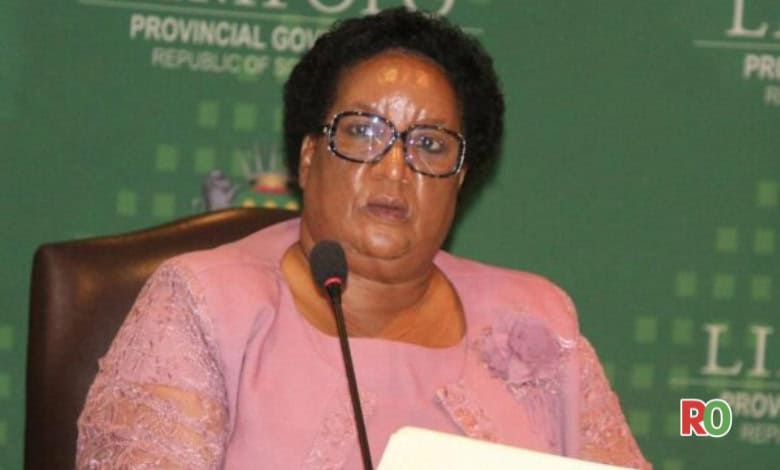
Transport MEC Violet Mathye, during a media briefing at the Office of the Premier.
POLOKWANE – Improved road safety measures along the N1 over the festive season were not enough to prevent loss of life, with 25 people killed in crashes between December and January due largely to human behaviour.
The Department of Transport and Community Safety said the N1 remains the province’s deadliest route during peak periods, as it serves as a major access road to and from areas outside the province.
This is despite Limpopo recording a 14% drop in road crashes and a 10% reduction in fatalities compared to the same period in the previous year.
According to the department, increased traffic officer visibility and the permanent use of South African National Road Agency Limited (Sanral) average speed over distance cameras failed to curb reckless behaviour such as drunken driving, deliberate speeding and other dangerous actions.
The average speed cameras are placed at entry and exit points along the route. They record the time a vehicle takes to travel a known distance, and if the calculated average speed exceeds the legal limit, a fine is issued.
Transport MEC Violet Mathye released the festive season road safety statistics during a media briefing at the premier’s office, alongside the Premier, Dr Phophi Ramathuba.
The department reiterated that while enforcement and technology play a role, driver behaviour remains the biggest challenge to road safety.
Polokwane Observer asked residents whether they think speed-watch cameras will prevent speeding and what regulations should be in place to stop speeding and road collisions:
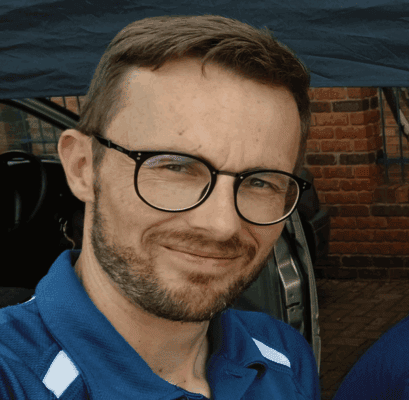
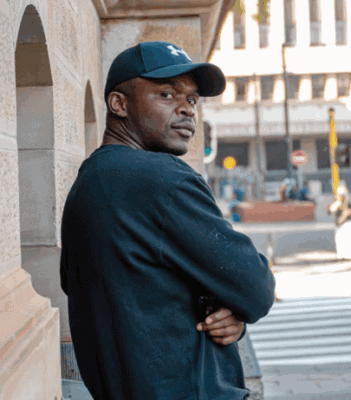
Jacques Joubert: Enige implementering van verkeersmaatreëls moet verwelkom word. Dis ‘n stap in die regte rigting. Daar moet wel ook gefokus word op ander oortredings; mense stop eenvoudig nie by stoptekens nie, en so meer nie. Soggens op pad in van buite die stad is nag, en waar is die verkeersdepartment? Daar is nie genoegsame monitering en bestuur deur verkeershoofde nie.Jim Ramoroko: It is a good idea to install cameras, because although it can’t stop people from speeding, it can track the speeding patterns to help them curb speeding in the long run.Nthabiseng Molope: I think speed cameras are a good idea because they are effective in reducing speeding and promoting road safety. As a driver I’ve also noticed that in areas with speed cameras, I often see a decrease in accidents and fatalities. When it comes to cameras preventing speed, they can definitely help. When one sees that there is a camera, this can cause drivers to be more mindful of their speed, however, some drivers might just slow down near the cameras and speed up elsewhere, which is also risky. When we come to the regulations to stop speeding or accidents, some ideas may be that the government can install clear signage warning drivers of speed cameras, they can also implement regular maintenance of roads and cameras, have public education campaigns on road safety and more. This could prevent a lot of fatal accidents.Lelo Mogaleadi: Prevent? No, but it can generate an income for the department if speeding fines are paid. That’s all I can actually say. We’ve heard stories of municipalities in other provinces that failed to have the cameras operational at all times resulting in millions of rand lost in revenue.
Festive season road statistics in Limpopo:
• 48 pedestrian fatalities
• 125 fatal crashes in 2025/26, down from 145 in 2024/25
• 259 motorists arrested for drunken driving
• Nine arrests for excessive speeding
• 20 overloaded taxis and buses fined for unroadworthiness and non-compliance
Koketso Sekhwela has five years’ experience in the media industry having worked in print and broadcast community newsrooms. Sekhwela is an alumnus at the Universities of Venda and Johannesburg and a post-graduate student at her first alma mater for her studies in the media business. She occupies pages one to three, which is considered the hard news section, in the bi-weekly Bonus Review and the weekly Polokwane Observer. Her news consists of real crime, politics and socio-economic stories that impact the people of Polokwane, Seshego, Mankweng and their immediate outskirts. WhatsApp her on 067 863 5099 for a potential story.