Polokwane’s water crisis: No immediate solution in sight
Polokwane requires 174 million litres of water daily but only receives 118 million, prompting a water war room to address the shortfall.

There is no immediate or permanent solution to the water crisis facing Polokwane, as current supply sources are only able to meet about 68% of the city’s daily demand.
City faces 56-million-litre daily shortfall
The municipality requires approximately 174 million litres of water per day, but current supply stands at 118.15 million litres, leaving a significant shortfall.
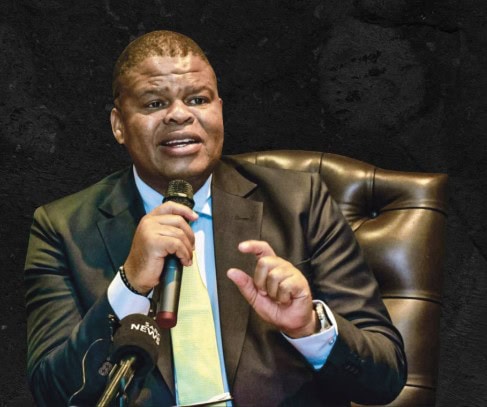
In response, Water Deputy Minister David Mahlobo, the Premier Dr Phophi Ramathuba, Mayor John Mpe and bulk water supplier Lepelle Northern Water (LNW) have formed a water war room to address the crisis.
The team says progress is being made through short, medium and long term plans developed by engineers and strategists, including municipal manager Thuso Nemugumoni.
Illegal connections under investigation
Speaking at a media briefing last Wednesday, LNW board chairperson Dr Nndweleni Mphephu supported concerns raised by Mpe and Ramathuba about illegal connections to water infrastructure.
He said these activities point to organised operations with technical expertise, possibly involving insiders.

Mpe has also previously accused water tanker operators of sabotaging pipelines to secure ongoing contracts.
Mphephu said a stronger surveillance system is being planned to monitor and protect pipelines.
Questions were raised by journalists about whether the rise of an illegal water market reflects the growing demand for water, particularly in underdeveloped communities.
Ramathuba reiterated that authorities would act against illegal connections.
“Anyone found involved will be arrested,” she said.
Sand River project still under construction
The challenge is particularly evident in urban areas, where demand stands at about 99.7 million litres per day, with a shortfall of nearly 13 million litres.
Mpe added that leaks, ageing infrastructure, business demand and a growing population are further straining the system.
Projects aimed at improving supply are underway. The 18 million litre Sand River project is expected to augment supply but is still under construction.
In her recent provincial address, Ramathuba also noted that major developments such as the Limpopo Central Academic Hospital and a planned convention centre will require substantial water resources once completed.
Asked about the impact of undocumented foreign nationals on service demand, Ramathuba said border management authorities are addressing the issue, noting that it affects multiple services beyond water.
The deputy minister suggested that water pressure management could help improve distribution.
“Water pressure should be adjusted according to demand – higher in residential areas during mornings and evenings, and higher in business areas during working hours,” he said.
Residents have been urged to use water sparingly as authorities continue efforts to stabilise supply.