
Adopting a child in South Africa: A step-by-step guide
Know the correct ways to adopt a child, from the Departement of Social Development (DSD). Know the correct channels to follow.
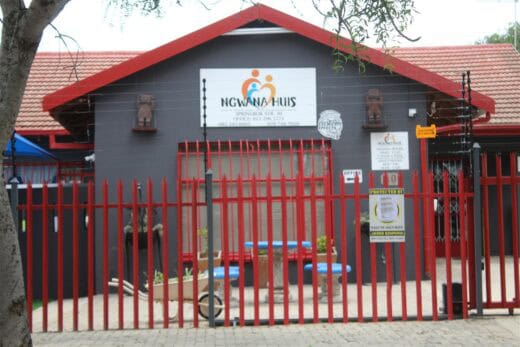
POLOKWANE – Following the Ngwana House story in the Polokwane Observer this week regarding limited space at the centre, Joshua Kwapa, Department of Social Development spokesperson, explains the adoption process for prospective parents.
“Each child is assessed individually to determine if they are legally adoptable, considering the child’s specific needs and whether adoptive parents can meet them,” he said.
Prospective adoptive parents undergo a thorough evaluation at their local social development office, including assessments of motivation, parenting capacity, health, and support systems.
Pre-adoption counselling is also provided to ensure parents understand the child’s rights, including the right to trace their biological parents at age 18.
If deemed suitable, the parents are matched with an adoptable child, and reports are submitted to an adoption panel.
Following approval, a recommendation letter is issued, and a social worker facilitates the legal adoption through the courts.
The adoption is then registered with the National Adoption Register, allowing parents to update the child’s name with Home Affairs.
Kwapa also noted that other centres across the city and province are available to take in babies if Ngwana Baby House is full.
The department encourages anyone interested in adoption to contact their nearest social development office to assist in creating space for more children in need.
If you’re considering adopting a child, here’s what you need to know. And as a South African citizen residing in the country, you’re eligible to adopt a child through national adoption.
The adoption process
- Choose an adoption agency: Select an agency in any province and apply to start the process.
- Screening/home study: The agency will conduct a thorough assessment to determine if you’re fit and proper to adopt.
- Registration: If approved, you’ll be registered on the Register of Adoptable Children and Adoptive Parents.
- Child matching: The agency will search for a child available for adoption, and you’ll be called to meet the child.
- Adoption finalisation: If you agree to adopt, the agency will submit a report to the Children’s Court for finalisation and an adoption order.
- Department of Social Development: The Court report will be sent to the Department for verification and record-keeping.
Typical timeline for completing an adoption
The adoption process duration varies from case to case.
Costs and fees associated with adoption
Costs depend on the agency you choose.
For more information and guidance, reach out to an adoption agency in your province.
For more information and guidance, reach out to https://www.dsd.gov.za/index.php?option=com_contact&catid=40&Itemid=50 or https://www.dsd.gov.za/index.php?option=com_contact&catid=40&Itemid=50