
Polokwane Muslims break fast and celebrate Eid ul-Fitr
After a month of fasting, Polokwane Muslims marked Eid ul-Fitr with prayers, festive meals, and acts of kindness in the community.
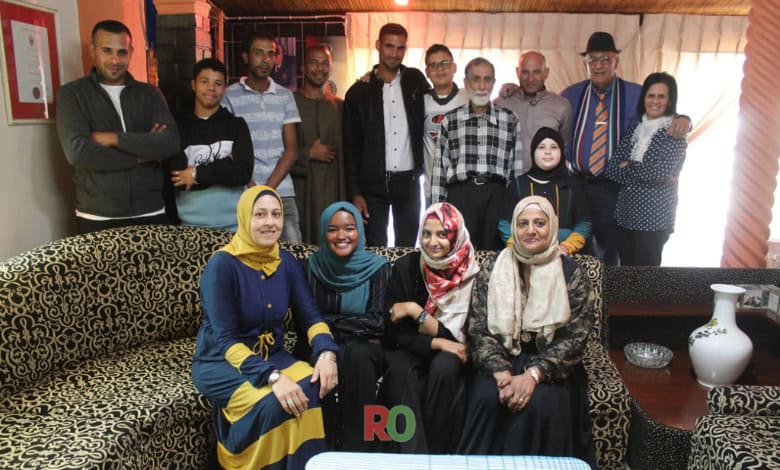
POLOKWANE – The Muslim community of the city joined its counterparts from across the world over the last month (Ramadan) and the event culminated in Polokwane on Saturday (Iftar) when Eid ul-Fitr was observed.
Understanding Ramadan and Eid ul-Fitr
A member of the Muslim community of the city, Solly Hassen, explained that the word ‘Eid’ translates as “the festival of breaking the fast,” marking the end of Ramadan, in which Muslims fast from dawn until dusk.
“It is a day of joy and celebration in having spent Ramadan in Allah’s pleasure, and for fulfilling our duty to Allah to abstain from food and drink during daylight hours.
“The day is usually characterised by praying Eid prayers, spending time with loved ones, and enjoying good food,” Hassen explained and added that Eid ul-Fitr is a time to appreciate and enjoy the blessings Allah has given to all, as well as remembering those less fortunate who may not have the means to celebrate the holy occasion.
It is also a great time for increased worship and devotion to Allah, as Muslims show happiness and gratitude to Him.
In Polokwane, Muslims fasted every day from just after 05:00 until around 17:30.
Men went to the mosque where a different chapter of the Holy Quran was recited by the Moulana (spiritual leader), and Muslims concluded their fast by eating a simple meal.
“We believe in moderation and do not take anything to eat or drink in excess,” Hassen explained.
People with physical and health challenges such as diabetes and children do not have to fast.
Celebrations and community spirit in Polokwane
When celebrating Eid ul-Fitr on Saturday morning, male Muslims went to the local mosques and thereafter visited the cemetery to pay respects to the deceased, and visit elderly people.
“Then we go home where family and friends gather for the celebration. All are welcome and we dress in our best clothes and enjoy specially prepared delicatessen, but still in moderation.
“Children receive small gifts and we reach out to the underprivileged members of our community, regardless of the colour, creed, or spiritual beliefs,” Hassen added.
One of the interesting facts about Ramadan is that the event moves forward approximately 10 days every year, depending on the stand of the moon.
“That means that it takes about 36 years for the event to rotate and allows Muslims to experience Ramadan during winter with a shorter time of fasting and then again during summer when the days are longer,” Hassen explained.