
Limpopo commissioner visits Waterberg ahead of Saps exit
Outgoing Limpopo police commissioner Lt Gen Thembi Hadebe visited Waterberg to strengthen community partnerships in the fight against crime.

LIMPOPO – Limpopo provincial commissioner Lt Gen Thembi Hadebe has called on communities, policing structures and stakeholders in the Waterberg District to strengthen collaboration in the fight against crime.
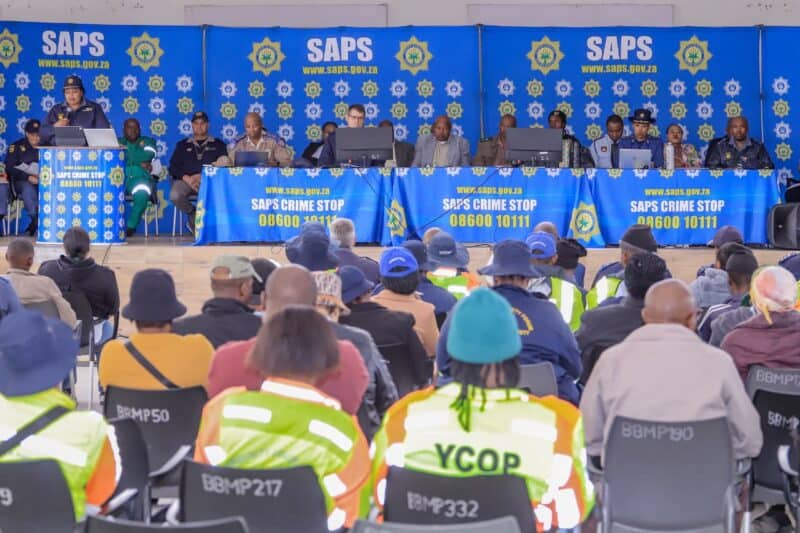
Hadebe addressed stakeholders during a high-level engagement session held at the Bela-Bela Multipurpose Centre on May 22, as part of her province-wide stakeholder engagement tour.
She was joined by deputy provincial commissioner for Corporate Services Maj Gen Fredrinah Sebola, acting Waterberg district commissioner Brig Joseph Moloi and other senior Saps officials.
The engagement focused on strengthening relationships between police and communities, improving trust and reinforcing shared responsibility in addressing crime across the district.
As Limpopo’s first female provincial commissioner prepares to conclude her tenure, Hadebe reflected on the importance of partnership-driven policing and community involvement in crime prevention.
Since taking office in 2021, she has prioritised collaboration between police, community structures and other stakeholders to combat crime, address gender-based violence and femicide (GBVF), and improve service delivery.
Speaking during the engagement, Hadebe said safety and security remain a shared responsibility between law enforcement agencies and communities.
She highlighted several challenges affecting the Waterberg District, including organised crime, illegal mining, stock theft, drug trafficking, rural safety concerns and gender-based violence.
Hadebe said these challenges require intelligence-driven policing, stronger partnerships and active participation from communities.
She also acknowledged the role played by community policing forums, traditional leaders, reservists, farmers, rural safety structures, Youth Crime Prevention Desks, faith-based organisations, businesses and civil society organisations in supporting crime prevention efforts.
According to Hadebe, social challenges such as youth unemployment, substance abuse, social instability and weakened family structures continue to contribute to criminal activity.
She urged all sectors of society to work together to create opportunities and restore hope for young people.
During the engagement, stakeholders also raised concerns relating to the deployment and support of reservists, strengthening Community Policing Forums and Youth Crime Prevention structures, as well as improving police visibility and responsiveness in communities.