
Anti-immigration narratives orchestrated online, study finds
A study of almost 4 million social media posts found anti-immigration narratives in SA are driven by online networks, not just public reaction.
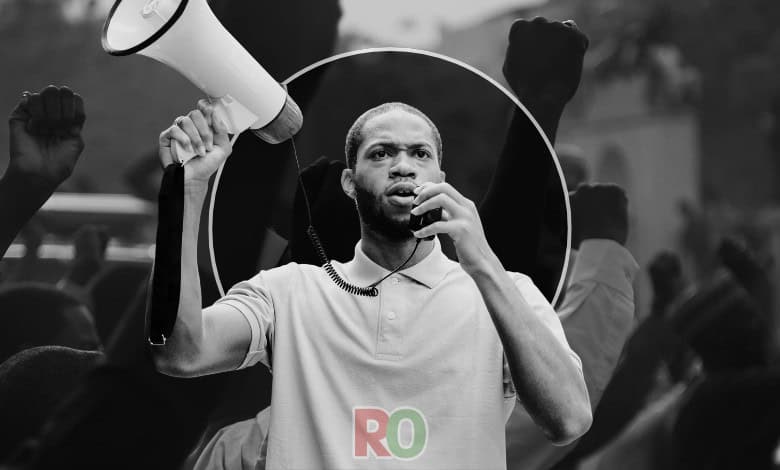
A recent study, published in the Daily Maverick, examining social media activity in South Africa has found that anti-immigration narratives circulating online during the first half of 2026 were driven by well-established digital networks rather than emerging solely from public reaction to current events.
Researchers from Murmur Intelligence analysed almost four million posts published on X between January and May this year and found evidence of highly active online communities that repeatedly amplified immigration-related content, helping shape national conversations around crime, governance and border control.
Missing person case, a flashpoint
According to the study, the disappearance of KZN teenager Mazwi Kubheka became a major flashpoint in online discussions.
While initial posts focused on efforts to locate the missing boy, researchers found that the conversation soon expanded into broader debates about undocumented migration and public safety.
Small group, big impact
The report suggests that a relatively small group of influential accounts played an outsized role in driving these discussions, often using coordinated reposting and hashtag campaigns to increase the visibility of particular messages.
Operation Dudula supporters identified
Researchers identified several interconnected networks involved in the amplification of anti-immigration content.
One of the largest clusters was linked to supporters of Operation Dudula, with the study indicating that a small proportion of users generated a significant share of the overall online activity.
Roots traced back to 2020
The findings trace the roots of these digital movements back to 2020, when campaigns such as #PutSouthAfricansFirst gained traction during the Covid-19 pandemic.
Since then online activism around immigration has evolved into a sophisticated ecosystem supported by influencers, alternative media platforms and political actors.
Emotionally charged incidents used as rallying points
The study further contends that emotionally charged incidents, including crimes committed by foreign nationals and missing-person reports, are frequently used as rallying points to advance wider narratives about immigration and state capacity.
Growing influence of social media networks
Researchers say the trend highlights the growing influence of social media networks in shaping public opinion and political conversations in South Africa.
No proof of paid campaigns – yet
However, the report cautions that while patterns of coordinated amplification were identified, the data does not conclusively prove the existence of paid campaigns or centrally directed operations.
Researchers noted that the activity could also reflect the actions of highly motivated activists working independently but toward similar goals.
Findings come amid high tensions
The findings come amid ongoing national debates over immigration policy, border security and rising concerns about xenophobic rhetoric both online and in communities across the country.
Read the full report here.