
Why your next trip may need a yellow fever vaccine
From high fever to organ failure – a Polokwane doctor explains why there's no cure for yellow fever, and why prevention matters most.
An international trip involves more than just booking flights, choosing accommodation and packing your bags.
“For some destinations, one crucial item on your travel checklist could be the yellow fever vaccine,” said Dr Mabowa Makhomisane, a general practitioner with training in diabetes and travel medicine.

He explained that the vaccine is about more than personal protection – it’s also key to stopping the spread of the virus across borders.
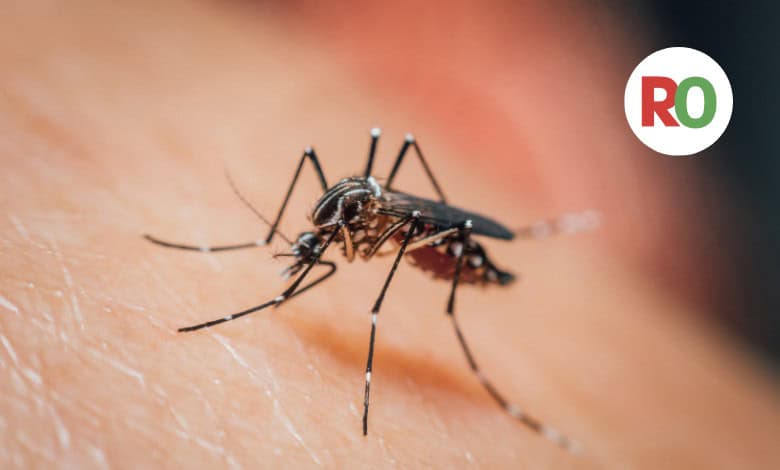
“Yellow fever is a potentially serious viral disease transmitted through the bite of infected mosquitoes. It occurs mainly in tropical regions of Africa and South America, so it’s especially relevant for travellers heading to those regions.”
For a full breakdown of which countries carry a risk of yellow fever transmission or require proof of vaccination, see the World Health Organization’s country list.
A disease that can turn severe
While some people develop only mild symptoms, Makhomisane explained this severe infection can cause high fever, vomiting, jaundice, bleeding, and liver and kidney failure, and in some cases, death.
“There is no specific antiviral treatment that cures yellow fever, which is why prevention is so important,” he said.
Why do you need the yellow fever vaccine?
- To protect yourself
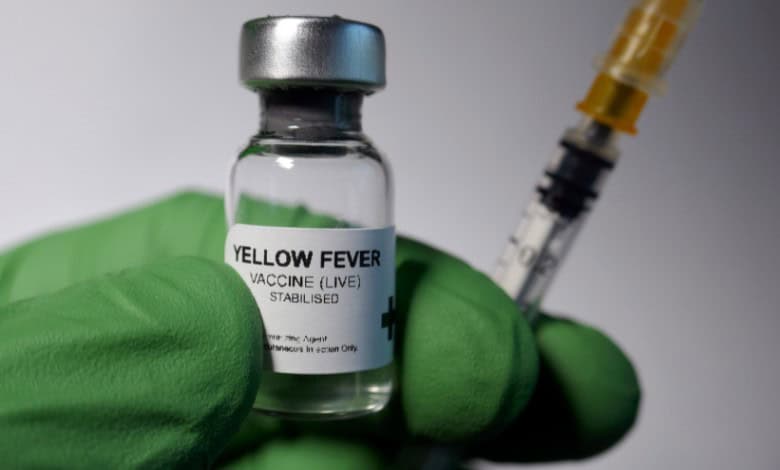
The first reason for vaccination is simple – it protects you. Travellers visiting areas where yellow fever occurs may be exposed to infected mosquitoes. The yellow fever vaccine is highly effective, and for most people a single dose provides long-lasting, generally lifelong protection. Makhomisane stresses that while mosquito precautions such as repellents, protective clothing and appropriate accommodation remain important, vaccination provides essential protection for travellers who are at risk.
- To prevent spread between countries
The second reason is to prevent yellow fever from spreading between countries. An infected traveller could potentially carry the virus from a yellow fever risk area to another country where mosquitoes capable of transmitting the virus are present. This is why some countries require proof of vaccination from travellers arriving from, or sometimes transiting through, countries where yellow fever occurs. Travellers who require proof are issued an International Certificate of Vaccination or Prophylaxis, commonly known as the “Yellow Card,” after receiving the vaccine at an authorised vaccination centre.
Depending on the destination, this certificate may be checked by immigration or health authorities.
Don’t leave it until the last minute
“A first yellow fever vaccination certificate generally becomes valid only 10 days after vaccination. Travellers should therefore avoid waiting until the day before departure,” Makhomisane said.
Check your entire itinerary, not just your destination
He added travellers should also check their full itinerary. “Your entire travel route matters. Requirements can depend not only on your final destination but also on countries you have recently visited or travelled through. Even an airport transit may affect requirements in certain circumstances,” he said.
Makhomisane further explained that the yellow fever vaccination is about protecting both the individual traveller and the wider community.
“Understanding your complete travel itinerary before departure can prevent unnecessary health risks and problems at international borders.”
Check every country on your route
Before travelling, Makhomisane advised individuals to plan ahead.
“Make sure you check the yellow fever requirements for every country on your itinerary and seek professional travel-health advice early to ensure you’re covered and compliant,” he said.