
UL hosts global talks on building resilient food systems
Researchers from Limpopo, the UK and Canada gathered at UL to discuss how food systems can adapt to climate change and support communities.
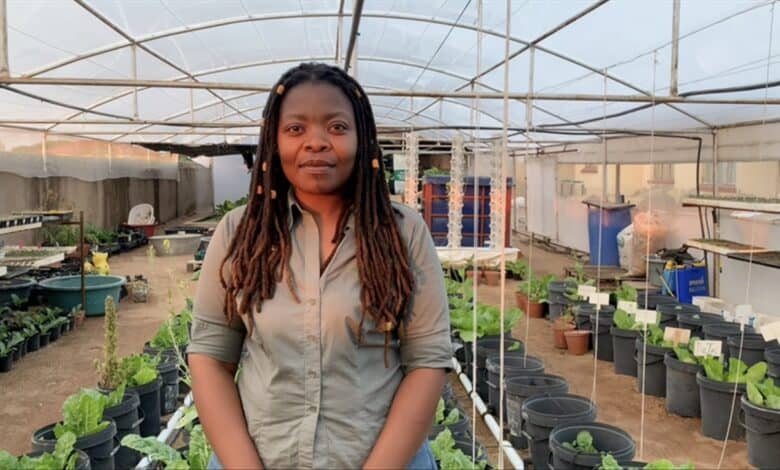
POLOKWANE – Agriculture is often discussed as a question of production – how much can be grown, how much land is available and how fast yields can increase.
But the realities facing food systems today are much bigger than the farm.
Climate change is altering growing conditions, rural communities face economic pressure, traditional knowledge is at risk of being lost, markets are changing and young people are seeking new opportunities. At the same time, communities need reliable access to nutritious food.
Responding to these challenges will require more than individual projects. It will require institutions to work together.
That was a key message from a recent multidisciplinary engagement in Limpopo involving researchers from the University of Limpopo (UL), the University of Essex in the UK and the University of Manitoba in Canada, alongside government, community organisations, farmers and agricultural innovators.
The engagement forms part of the Reimagining Food Systems for Climate Change Adaptation, Mitigation, and Social Justice project, which examines how food systems – including the cultivation, processing, sale and consumption of Indigenous Leafy Vegetables – can contribute to food security, livelihoods, health and human rights.
What made the engagement significant was bringing different kinds of knowledge into the same conversation.
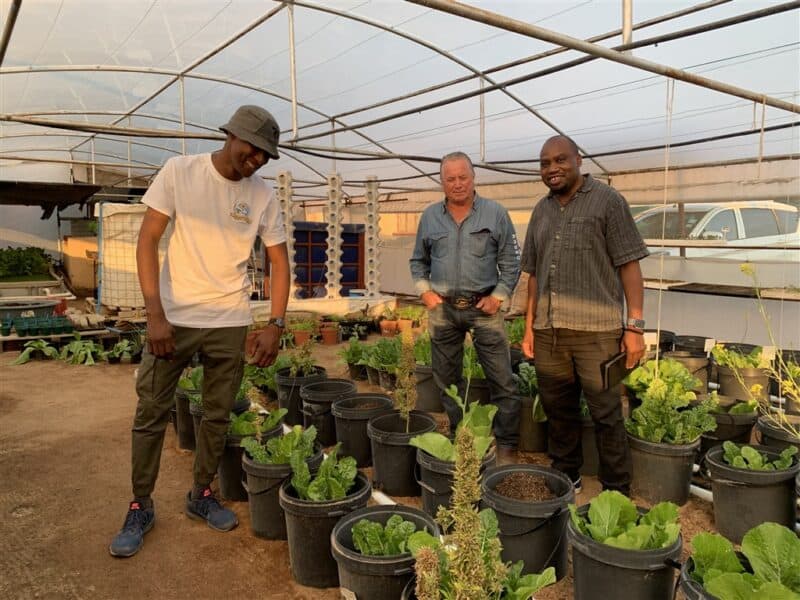
The team encountered aquaponics and fish farming, agricultural training and agro-processing, indigenous knowledge systems, early childhood development and community-based initiatives. All pointed to one question: how do we build communities better prepared for an uncertain agricultural future?
No single institution holds the answer.
A university may have research capacity. Government understands policy. A farmer understands production. An entrepreneur understands the market. Communities hold lived experience and knowledge built over generations. Each holds part of the solution.
The University of Limpopo is central to connecting those parts. Positioned within a region where agricultural challenges are lived daily, researchers such as Prof Ashwell Ndhlala are linking scientific research with indigenous knowledge and community realities.
Food security does not belong to one department. It sits at the intersection of agriculture, health, economics, law, culture and human rights. The project reflects this by examining not only the nutritional potential of indigenous vegetables, but also processing, markets, biodiversity, intellectual property and community participation.
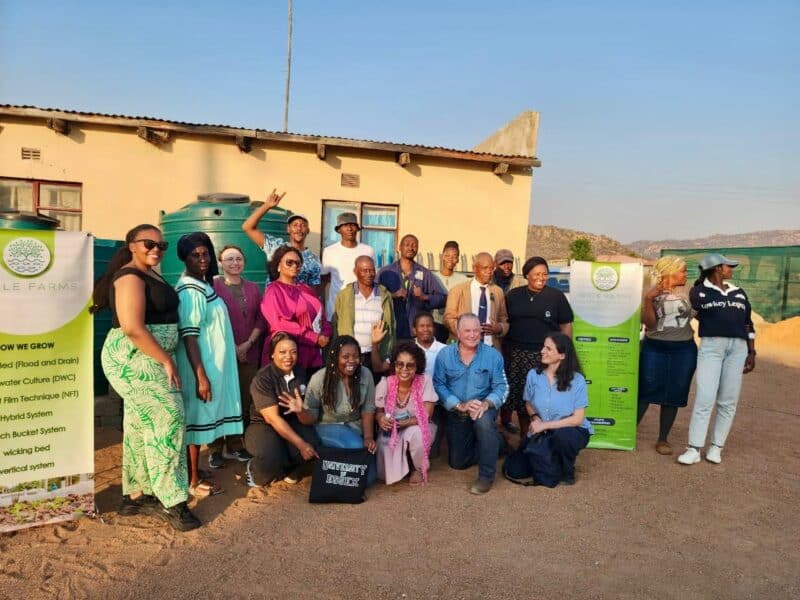
Crucially, communities cannot be left out. The engagement showed rural communities are not waiting for solutions – they are already experimenting with technologies and creating enterprises. The challenge is supporting those efforts without displacing their knowledge and agency.
International collaboration adds value only if it serves communities. Can partnerships strengthen local food systems, support agro-processing infrastructure, protect indigenous knowledge, and inform policy?
Resilient food systems will not be built by one farmer, one university or one country. They will be built through lasting relationships willing to share knowledge, resources and responsibility.