78 new vehicles to patrol Limpopo’s busiest roads
Premier Dr Phophi Ramathuba wants law enforcement on the roads after dark, when a significant number of serious crashes occur, and warns against private use.
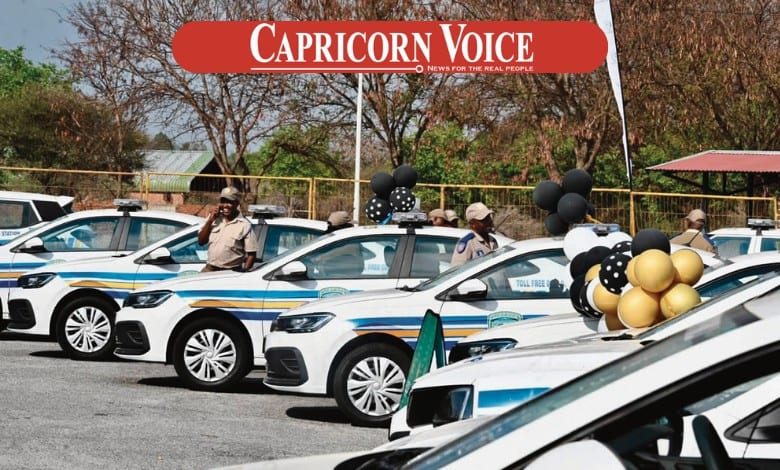
LIMPOPO – Traffic law enforcement officers in the province have received 78 new vehicles as the provincial government moves to strengthen road safety, increase visibility and improve patrols across key routes.
Premier Dr Phophi Ramathuba handed over the vehicles during an official ceremony ahead of October Transport Month, which places renewed focus on road safety, responsible road use, and the protection of lives on South African roads.
“It is an honour and privilege to be part of this important occasion as we hand over new vehicles that will strengthen the capacity of our traffic law enforcement officers across the province,” Ramathuba said.
Visibility as a deterrent
She said the cars would be deployed strategically along some of Limpopo’s busiest and most important routes, including the N1, R81, R37 and R71.
“A visible law enforcement presence serves as a deterrent to reckless driving, criminal activity and violations of the law,” she said.
Push for round-the-clock enforcement
The premier said increased enforcement was particularly important at night, when the province has observed a significant number of serious crashes.
She called for a stronger 24-hour traffic law enforcement system across Limpopo.
“We therefore want to see a strengthened 24-hour traffic law enforcement system across the province. The message must be clear: the absence of daylight must never mean the absence of law enforcement,” Ramathuba said.
More officers in the pipeline
The handover forms part of broader efforts by the provincial government to increase traffic enforcement capacity.
Ramathuba said 154 traffic learners had already been recruited, while a further 204 were currently being recruited.
Rules for using the vehicles
She also warned that the vehicles were public assets and should be used strictly for official government business.
“They are tools of government and must be used for government business. They are not for private errands. They are not for unnecessary parking at shopping malls. They belong on our roads, where they are needed most,” she said.
Appeal to road users
She urged motorists to avoid drinking and driving, speeding and dangerous overtaking, while also encouraging passengers to speak up when drivers put lives at risk.
“The message that road safety starts with me must become more than a campaign slogan. It must become a culture,” she said.
“We want a Limpopo where our roads are safe. We want a Limpopo where our people arrive alive.”