Costly commutes eat up a third of your salary
Polokwane commuters can spend up to half their income on transport, and rising fuel prices threaten to put more pressure on budgets.
POLOKWANE – Before the groceries are bought, the school transport is paid or the month-end bills are settled, a sizeable chunk of many Limpopo households’ income is already gone; spent simply getting to work and back.
For some Polokwane commuters, that means sacrificing nearly half their monthly income to keep a car on the road. For others, it means spending up to half their salary on taxis, leaving little room for anything beyond the essentials.
With November fuel price projections pointing to yet another increase, the cost of getting from home to work threatens to squeeze household budgets even further.
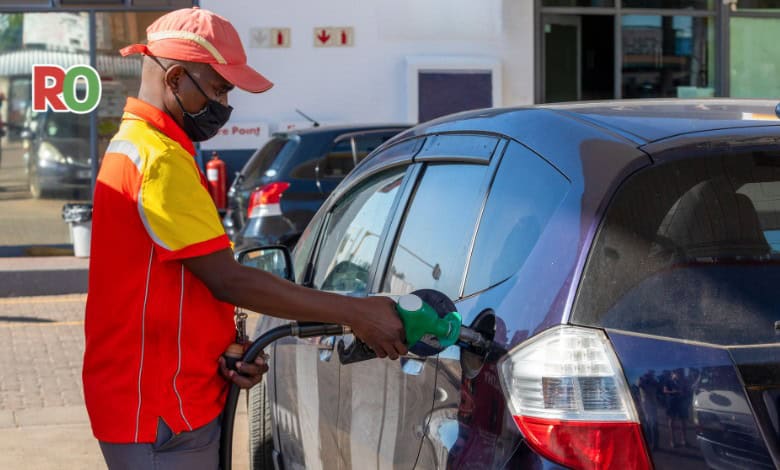
Mid-month data from the Central Energy Fund indicates petrol could rise by between R1.80 and R2.78 per litre, and diesel by between R1.00 and R1.60 per litre in November.
If the projections hold, 95 unleaded petrol inland could climb from R30.25 to as much as R33.03 per litre; another record. Diesel, already above R33, would push further into uncharted territory.
For Limpopo’s commuters, this is not just a fuel story. It is an income story.
What economists say
The numbers reflect a structural crisis that researchers have been tracking for years.
A transport economist at the University of Johannesburg says most South Africans are spending far more than the recommended 10% of their income on transport.
Research from the Journal of Transport and Supply Chain Management found that South African households respond to higher transport costs by reducing spending on savings, food, housing, and vehicle purchases.
The study found that high transport expenditure compromises poor households’ ability to access livelihood-enhancing opportunities and needed services that can improve living conditions.
Read about what residents say they’re cutting out on page 3 of this week’s Bonus paper.
What Polokwane residents say
The statistics come alive in the experiences of local residents.
One resident, who lives close to their children’s school, spends 8.5% of income on fuel, but that covers only the commute to work and sports activities. “I also drive around town on weekends, and sometimes I have to put in a bit of fuel just before the end of the month; it varies.”
Another resident faces a far heavier burden. “The monthly instalments and insurance alone account for 29%, and that’s excluding fuel. If we add fuel, it comes to 49.65% in a quiet month.”
A single mother earning R9 500, including a transport allowance, spends half her income getting to work. She lives in Mankweng and takes two taxis to her office, spending R110 a day. “The area-based work I do throughout the day adds to the cost. A bus would be cheaper, but it leaves too early.” She needs to get her children ready for school and wait for their transport – another expense – before leaving for work.
A parent of four said they spend around R2 000 a month, 20% of salary, on transport, including school runs. “Luckily I live around town and the children’s schools aren’t that far from each other.”
“I spend about 10-15% of my salary on transport,” says another resident. “I stay relatively close to work in Polokwane, so I mostly use my own car, that cost is just for petrol.”
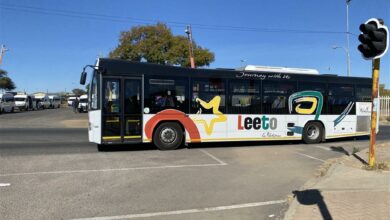
Another resident who stays out of town said they spend 30-35% of their salary on transport. “I have to take two taxis to work and back every day. When taxi prices go up, it really eats into my salary.”
For every resident who shared their numbers, there are thousands more making the same calculation every month and wondering how much longer they can afford the cost.