
Hunter’s Moon, Pleiades and Aldebaran meet in night-sky display
October's Hunter's Moon passes close to the Pleiades tonight, with Aldebaran and Pollux completing a week of celestial pairings for stargazers.
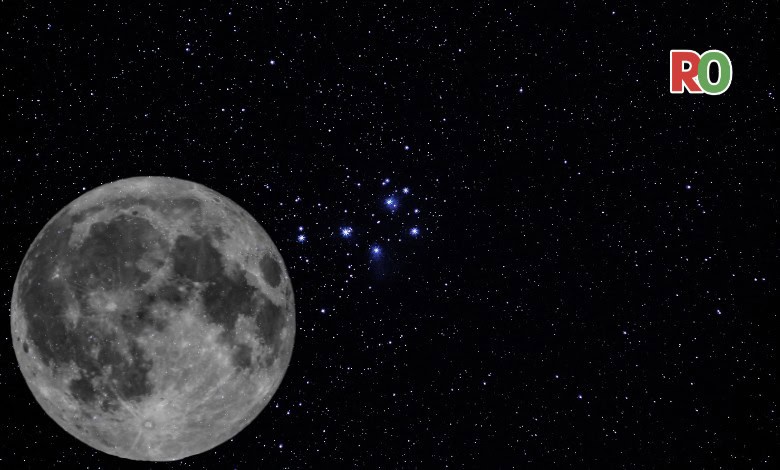
LIMPOPO – Stargazers have another reason to look up this week as October’s Hunter’s Moon makes a close approach to the famous Pleiades star cluster, better known as the Seven Sisters.
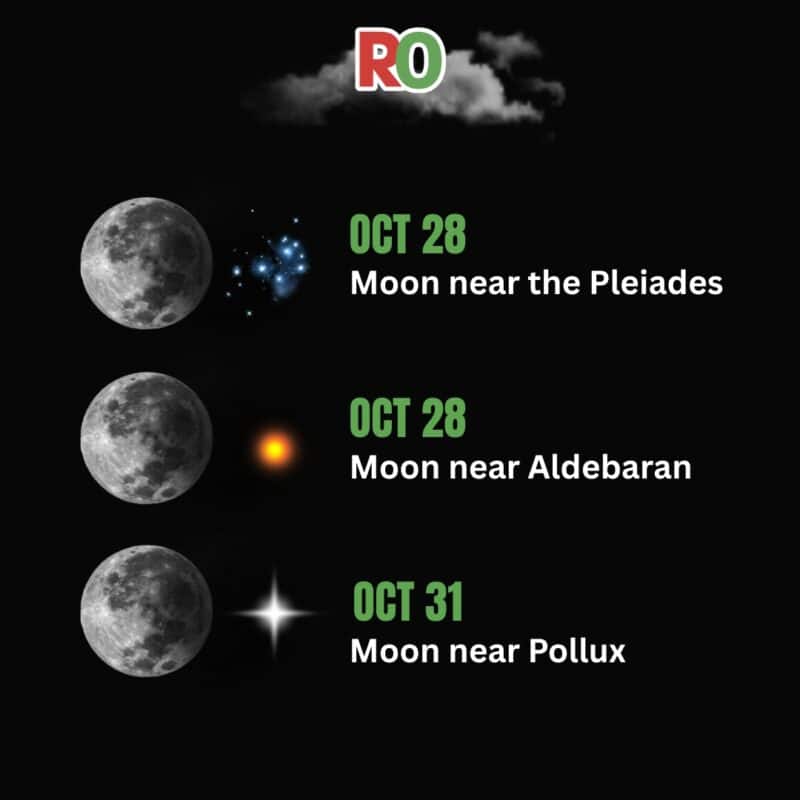
The celestial pairing is expected to be visible tonight (October 28), offering observers an opportunity to see the bright, nearly full moon alongside one of the most recognisable groups of stars in the night sky.
According to Nasa, the moon will pass close to the Pleiades as it moves across the night sky, with the best opportunity to spot the pairing coming as both rise higher above the eastern horizon during the evening.
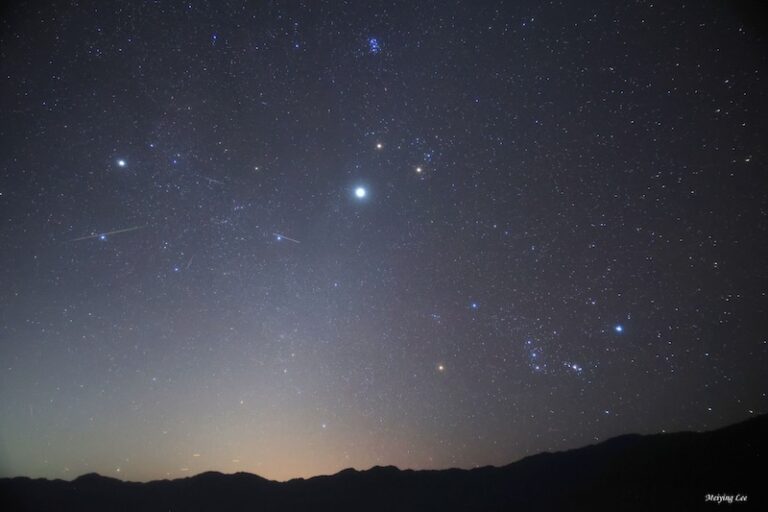
The encounter follows the Hunter’s Moon, which reached full illumination in the early hours of Monday, October 26.
Although the Moon and the Pleiades will appear close together from Earth’s perspective, they are separated by an enormous distance in space. The apparent alignment is the result of their positions in the sky rather than an actual close encounter.
Meet the Seven Sisters
The Pleiades, also known as Messier 45 or M45, is an open star cluster in the constellation Taurus.
It is made up of hundreds of stars that formed from the same cloud of gas and dust. The cluster is estimated to be about 440 light-years from Earth, with six or seven of its brightest stars generally visible to the naked eye under suitable conditions.
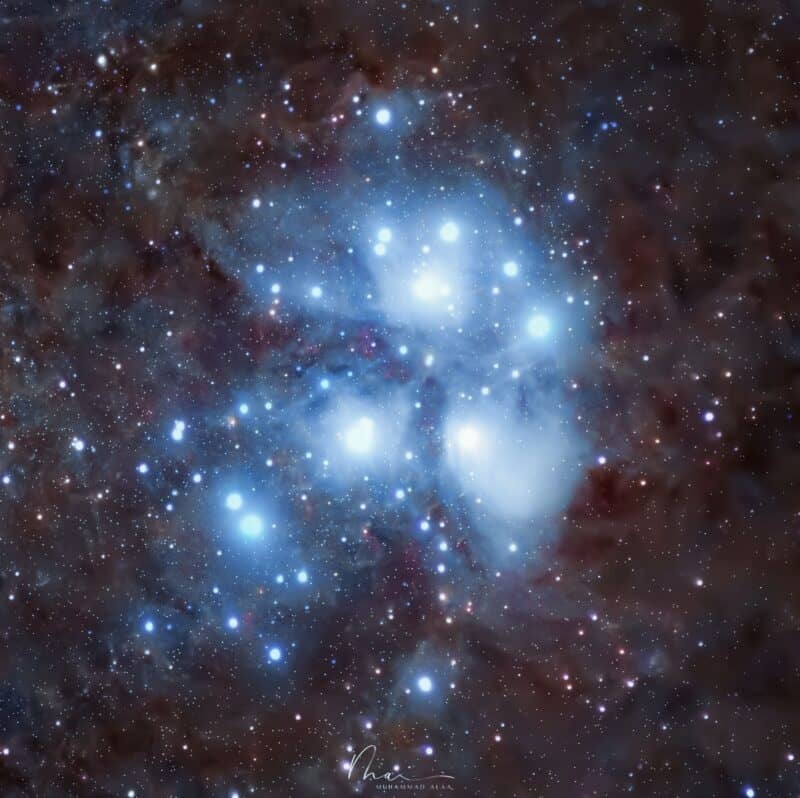
The cluster has also featured in the folklore and traditions of numerous cultures around the world, making it one of the most widely recognised star groupings in the night sky.
How to see the celestial pairing
The cluster can be recognised as a small, tightly grouped collection of stars with a slightly hazy appearance.
While the Pleiades can be seen without special equipment, binoculars or a telescope can reveal more of the stars within the cluster.
The bright moon may, however, make some of the fainter stars harder to distinguish. Observers are therefore encouraged to find a location away from bright artificial lights and give their eyes time to adjust to the darkness.
Aldebaran joins the night-sky display
The Moon will also appear close to Aldebaran, the bright orange-red star that marks the eye of Taurus, the Bull.
Aldebaran is one of the brightest stars visible from Earth and is easily recognised by its distinctive orange hue.
Another lunar encounter on Halloween
The celestial activity will continue into the weekend, with the Moon set to appear close to Pollux on Saturday, October 31.
Pollux is the brightest star in the Gemini constellation and forms part of the familiar pair of stars known as the celestial twins, alongside Castor.
The Moon and Pollux should be visible to the naked eye, with the best viewing opportunity for South Africans expected late on Saturday evening and into the early hours of Sunday, November 1.
With several interesting pairings taking place in the space of a few days, October is ending with plenty of reasons for stargazers to look towards the night sky.