
Univen experts review Tshivenda writing rules
What happens when the same Tshivenda word is written in different ways? Language experts gathered at Univen to discuss how to create clearer writing standards.
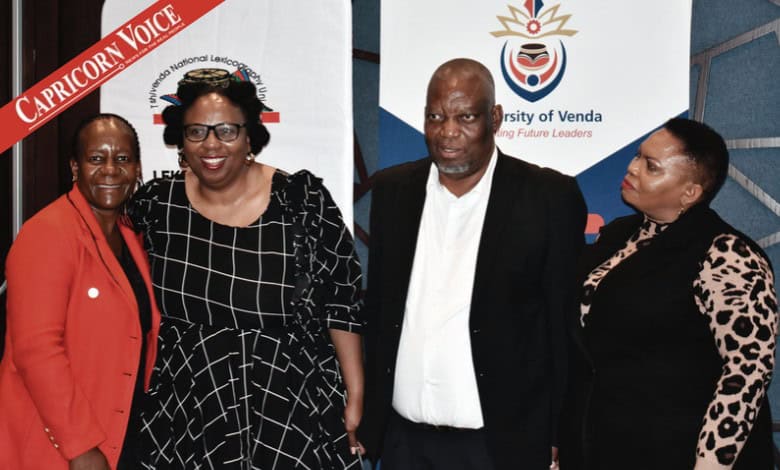
LIMPOPO – Univen Tshivenda lecturers, language practitioners and students studying language practice gathered at the Premier Hotel near Thohoyandou recently, for a colloquium aimed at reviewing and standardising Tshivenda orthography and spelling rules.

Reviewing the rules behind written Tshivenda
The chairperson of the Board of Tshivenda National Lexicography, Dr Shumani Tshikota, said the meeting brought together language specialists, academics, practitioners and other stakeholders to critically engage with the rules governing the writing and spelling of Tshivenda.
He said the purpose was to review the existing Tshivenda orthography and spelling rules, particularly the 2019 edition of Milayo ya Kupelele na Kuwalele kwa Tshivenda, and identify areas requiring clarification, correction, harmonisation or further linguistic investigation.
He stressed that the colloquium was not intended to suggest that the entire orthography system was problematic.
The 2019 booklet remains an important standardisation resource, with discussions focusing on its strengths as well as areas where users have experienced uncertainty, inconsistencies or differing interpretations.
“The main objectives of the meeting were to review linguistic, editorial and structural issues identified in the existing orthography and spelling rules; distinguish ordinary editorial matters from issues requiring formal linguistic resolutions; promote consistency in Tshivenda spelling and writing; and discuss principles relating to word formation, conjunctive and disjunctive writing, punctuation, capitalisation and adopted words, among other orthographic matters,” said Tshikota.
Building consistency for future language users
He said the colloquium was expected to produce a clearer and more systematic understanding of the issues requiring attention.
Expected outcomes included an agreed list of orthographic and spelling matters requiring revision or clarification, identification of matters that could be corrected editorially without changing established linguistic principles, and recommendations on contested linguistic matters requiring further research.
Tshikota said the participation of Univen language practice students was important because they are future practitioners who will work in translation, interpreting, editing, terminology development, communication, publishing and other professional language services.
Lufuno Silimela, a final-year BA language practice student doing his practical at the Tshivenda National Lexicography Unit, said the colloquium was an eye-opener.
“When one word is written three different ways in three official documents, the cost is not borne by linguists. It is borne by the teacher who cannot mark with confidence, the learner who is marked wrong for the spelling she was taught last year, and the translator who cannot defend her choices to a client,” he said.
Silimela said standardisation was not about changing the language, but correcting inconsistencies and giving Vhavenda what every language community should have: accurate information in their own language.