
Thohoyandou woman powers business through cellphone repairs
A determination to keep learning has helped a Thohoyandou entrepreneur build a business from a basic toolkit.
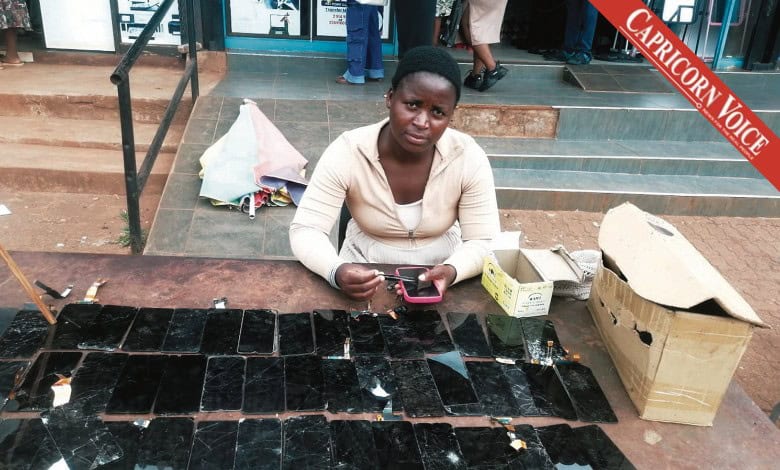
LIMPOPO – Coming from a disadvantaged background has not stopped Awelani Matambela from pursuing her dreams and building a future in technology.
Matambela, the founder of Small Cellphone Repair in Thohoyandou, has ventured into the cellphone repair industry, using her skills, determination and passion for learning to earn a living and inspire others in her community.
She said her interest in repairing things began at a young age, eventually leading her to turn her passion into a business.
“I realised I could turn that skill into a business that generates income while solving a real problem. I have been repairing cellphones for four years, although finding original and affordable parts remains a challenge.
“I love problem-solving as every phone presents a different puzzle. It keeps my mind sharp and allows me to learn something new every day.
“Cellphone repairs also give me independence because I do not have to wait for someone to employ me. With my skills and a small toolkit, I can create work for myself and others. My work helps the community stay connected,” she said.
Building a business
Matambela said the journey had not been easy, but it had been rewarding. She started with basic tools and taught herself through YouTube tutorials and guidance from experienced technicians.
“What I love most is seeing the smile on a customer’s face when their ‘dead’ phone switches on again. That moment never gets old,” she said.
Growing for the future
Looking ahead, Matambela hopes to establish a fully registered repair centre with two to three branches within five years. She also wants to open a container workshop similar to those supported through the W&RSeta programme, train young people from her community, and expand into selling refurbished phones and accessories.
She also spoke of the importance of protecting her eyesight and maintaining a healthy work routine by taking breaks every two hours, using a magnifying lamp and a proper chair, and managing workloads carefully to avoid working through the night.
To minimise disruptions, she keeps backup equipment, including two soldering stations, extra screens and power supplies, and sets aside emergency funds for repairs. During the Covid-19 pandemic, she adopted sanitising measures, appointments and collection and delivery services to keep the business running.
Her advice to young women interested in the industry is to start small, learn consistently and put customers first.
“You do not need a big shop. Start with a basic repair kit, learn one phone at a time, watch free tutorials and volunteer at a repair shop. Be honest and respect customers’ phones and data. Do not focus only on money; focus on developing your skills, and the money will follow,” she said.