
Go through list before buying a fixer-upper
PURCHASING a property that is in a state of decay and in need of a facelift could go one of two ways, says Adrian Goslett, the CEO of RE/MAX of Southern Africa.
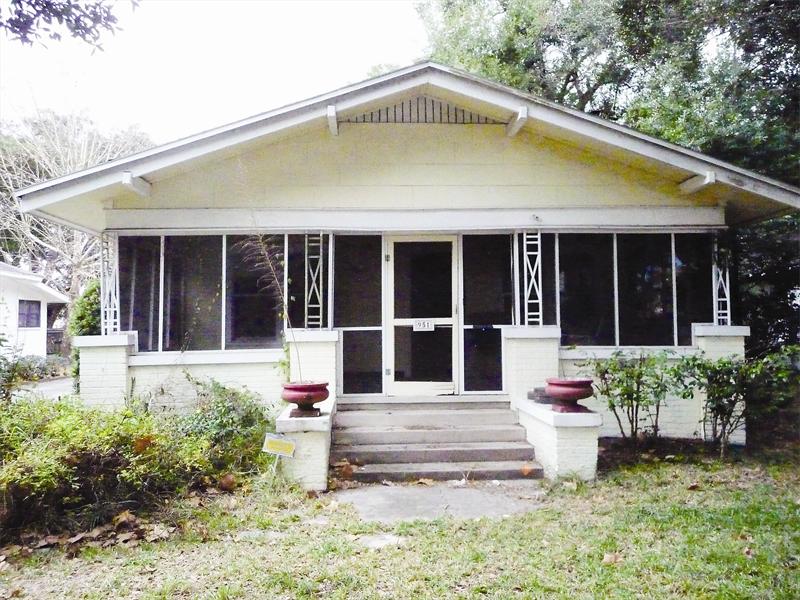
PURCHASING a property that is in a state of decay and in need of a facelift could go one of two ways, says Adrian Goslett, the CEO of RE/MAX of Southern Africa.
He notes that for those with the right skills, know-how and available financial resources, it could turn out to be a very profitable and rewarding experience. However, there is always that chance that it turns out to be a financially hungry white elephant.
Goslett says the difference between a viable, successful investment and one that simply costs more money and time than it’s worth, is research and knowing which home to choose right from the start of the endeavour.
“There are certain property investors who specifically look for properties in need of renovation because they know that firstly, there will be far less competition in the market for these homes, and secondly, these properties are generally priced below their market value.
“From an investment perspective this provides the potential for a substantial return on investment at resale, provided the cost of fixing the property doesn’t outweigh the possible profit margin,” he says.
“If the primary intention of purchasing a fixer-upper is to sell it at a later stage for a profit, then making the right decisions from the beginning is imperative to the prospective return on the investment.”
Goslett says it is important to remember that market conditions have changed, and buyers usually need to hang onto the property for a reasonable amount of time before selling them for a profit. In today’s market, people can no longer flip a property as quickly as they were able to in the boom times.
For an investor to see a home’s true potential, they will need to be able to see past the cosmetic elements that would normally turn most buyers away and recognise a diamond in the rough, advises Goslett.
Goslett gives investors looking for the ideal fixer-upper some pointers to consider:
Positioning is important:
Regardless of whether the property is a fixer-upper or in pristine condition, location is always a factor to be considered when purchasing a property, says Goslett. “Irrespective of the market or circumstances that surround the property purchase, the mantra of location, location, location stands firm. Buying in the right area will ensure the property appreciates in value over the long term and increases the chances of selling the property at a profit.”
Generally, certain types of properties will be more sought-after in a particular area than others due to the demographic of buyer that the area appeals to. For an investor, the most desirable type of property in the area would be the ideal choice as it would appeal to a higher number of buyers.
Design:
The overall layout and design of the fixer-upper property needs to work. Goslett says redesigning the layout of the property by moving walls or rectifying a home that has been designed badly could prove to be very costly and could possibly cause other problems down the line.
“Ideally, the core of the property needs to be designed correctly and laid out in the right way from the start. Generally, buyers will want a home that flows well and is designed in a practical way, using the space to its full potential. Trying to correct a badly designed home will take more resources than it’s worth,” says Goslett.
Overall condition:
The overall condition of the property will be the determining factor as to whether the purchase is worthwhile for the investor.
“If the home requires major changes or has structural damage, it probably isn’t going to be a worthwhile purchase, however if the renovations are manageable and more of a cosmetic nature, then it could be the ideal project. As a general rule, the home should, at the very least, be in a liveable condition from the start for it to be a viable option,” advises Goslett.
Goslett concludes by advising investors to consult with a professional home inspector if they are unsure of anything.
“It may not be easy to spot major defects at first glance and a home might require further professional inspection. It is far better for investors to know what they are up against at the start of buying a fixer-upper than after they have signed the paperwork.”