
Estates up their security measures
SECURITY is by far the largest concern for any residential estate and to stay a step ahead of criminals, they need to embrace technology.
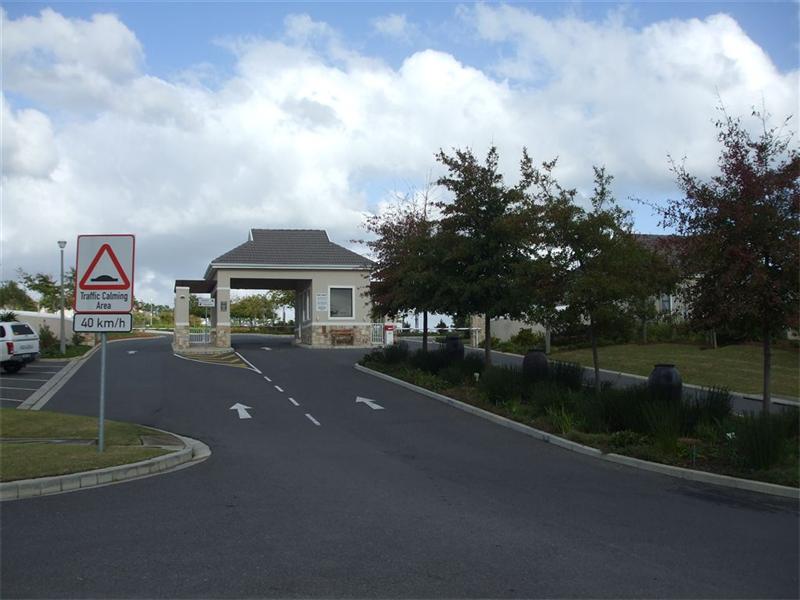
SECURITY is by far the largest concern for any residential estate and to stay a step ahead of criminals, they need to embrace technology.
Estates are deploying Ideco’s Electronic Visitor Identity Management (EVIM) solutions to improve access security. Ideco managing director Marius Coetzee says residential estates can optimise existing security processes and solutions by deploying cutting-edge technology. The main problem is that visitors’ identities are not verified or accurately recorded.
Also, residents’ access control is not controlled sufficiently and visitors’ access control is easily bypassed,” says Coetzee. Guards normally use a manual visitor record book and open the gate for visitors with a push button solution from the guard house. Not only do visitors often record inaccurate or even false information in the visitors register, but the entries are often illegible.
Coetzee says remotes and tags are far too expensive to maintain, replace and administrate.
The visitors fingerprint record is also irrefutable proof that the visitor was present when the transaction was recorded and that the visitor gave permission for their details to be verified and recorded.
Furthermore, all EVIM visitor transactions are recorded, processed and archived in a POPI compliant manner. Visitors fingerprints are recorded, transmitted and stored in an encrypted format which cannot be reverse engineered to a latent fingerprint image. No data is stored on the handheld scanning device and all data is transmitted in an encrypted format to a secure offsite hosting engine.
Electronic visitor logs are e-mailed daily to the security operations team to enable them to look for visitor patterns and tendencies.
The New Frequent Visitor Enrolment feature can be utilised to enroll suppliers, clients or even contractors. The EVIM web portal allows companies to enroll frequent visitors who are then identified by their fingerprint only.
“Through a special piece of software, you could capture frequent visitors’ details and enroll their fingerprints. This is uploaded to the EVIM server. When the frequent visitor enters the site, he or she will not be required to re-enter all their details.
The fingerprint will be matched against that user’s details and the transaction for that visitor will be registered on the server,” explains Coetzee.
The Scheduled Appointments feature allows users to schedule appointments on the software portal by registering the visitor’s name, surname, ID number and the date and time of the appointment. A unique pin will be sent to the visitor that can only be used once and will only be valid for four hours before the meeting time and four hours afterwards. Once the visitor arrives, they will enter the unique pin and the appointment organiser will receive an SMS that their visitor has arrived.
Authorised user access can be granted to the body corporate and security to enable them to view their visitor records. The EVIM web interface allows authorised users to access visitor data from any web browser by means of a secure user name and password.
Visitor data is indexable and searchable allowing for effective and efficient post incident analysis.