
Are you really ready to buy?
Adrian Goslett, Regional Director and Chief Executive Officer of RE/MAX of Southern Africa, provides potential homebuyers with a few pointers before making their final decision:
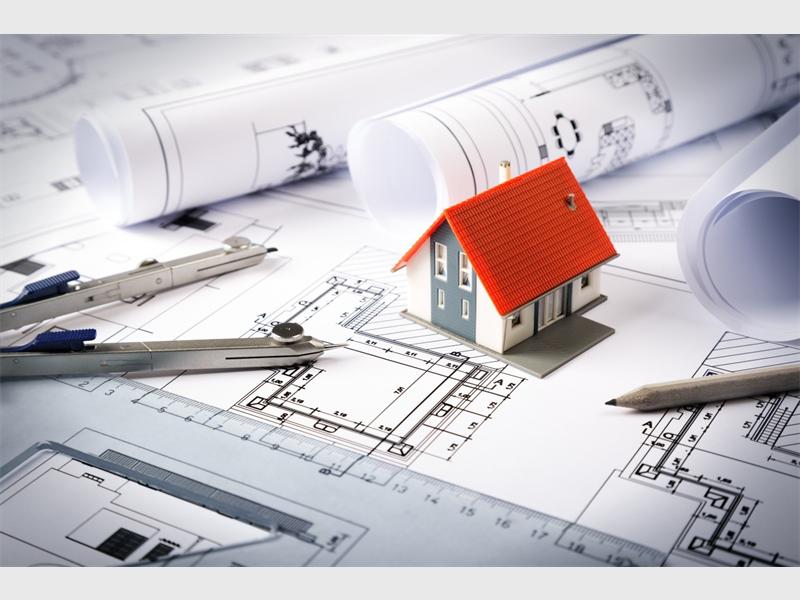
Buying a home is a milestone, and a step towards owning an asset that could impact the purchasers’ financial situation for the rest of their lives.
While it is an incredibly exciting time, says Adrian Goslett, Regional Director and Chief Executive Officer of RE/MAX of Southern Africa, it is important that the buyers only take the step towards homeownership when they are completely ready to do so. This is because owning a property requires desire, sustainability and a long-term financial commitment.
“Apart from finding the perfect home and dealing with the often complex process of a property sales transaction, there are a few other aspects that first-time homebuyers need to contend with, such as learning to become a responsible homeowner,” says Goslett.
“Browsing through properties online or visiting a show house or two doesn’t necessarily mean that a person is ready for what being a homeowner entails. There are numerous factors that need to be considered from both a financial perspective and from an emotional standpoint before the buyer makes the decision as to whether purchasing a home is right for them at that time.”
Goslett provides potential homebuyers with a few pointers before making their final decision:
Are you planning on staying in one place for some time?
Considering that purchasing a property often requires a deposit, bond costs, attorney fees, insurance premiums and maintenance costs, it rarely makes financial sense to purchase a home for a short period.
Goslett says it normally takes between five and seven years before a homeowner will see any kind of financial return on their property investment, so buying only makes sense if the buyer is planning to stay in the house for at least that period.
“Property should ideally be seen as a long-term investment, so buyers should consider their future plans and where they see themselves over the next five to possibly 10 years.
“These plans will depend on the buyers’ family circumstances and their employment situation. If the buyers are ready and able to settle in one place for a reasonably lengthy time frame, they may be ready to purchase a property,” says Goslett.
Are finances in order?
While there are buyers who are able to purchase a property in cash, most of the general population will require a loan to buy a home. According to Goslett, potential buyers’ bond approval is highly dependent on their ability to show the necessary levels of affordability. “Before applying for a bond, buyers need to focus on minimising their expenses to create as much expendable income as possible. It is also not advisable to take on any other big ticket debt, such as a new car repayment. This will have a negative impact on the buyers’ ability to obtain the finance,” says Goslett. He adds that obtaining pre-approval through a bond originator is a great way for prospective buyers to gauge how ready they are financially to own a property, as well as what they may need to do to get there.
Is the saving in place?
It is impossible to separate homeowner readiness and saving.
Apart from the fact that most homeowners will be required to put down a deposit of around 20% the purchase price of the property, there are the maintenance costs, a contingency fund and moving expenses.
“Transitioning from a tenant to a homeowner means taking on the full responsibility for the property. If anything in the home requires repairs or maintenance, the buck stops with the owner,” says Goslett.
Is the timing right?
Timing is a vital element to homeowner readiness. The best case scenario would be for the buyers to be ready to buy, but also be able to wait if required. If buyers are currently renting, they don’t want to be stuck with another six months on their lease and lose out on their right home, but they also don’t want to rush with only a month to find a home. “Buying a home is a big decision – it is never good to rush into it without giving it the necessary consideration. That said, it is also not ideal to hold back too long and let an opportunity pass by because of not being prepared,” advises Goslett.
Be realistic
One sign that shows you are ready to own a home is understanding that it is not always going to be easy. In reality being a homeowner takes time, effort and of course money.
“However,” says Goslett, “even though there are likely to be a few challenges that homeowners face along the way, the end result is a home that they can call their own,” he concludes.