Don’t ‘introduce’ your child to potential predators
SAPS warned parents to be careful of what personal information they disclose on their child's belongings.
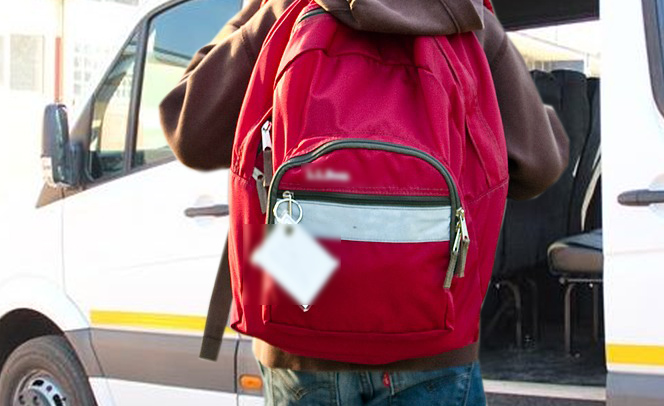
POLOKWANE – With the majority of learners returning to schools on Wednesday (January 12), Polokwane Review reminds parents that by writing or attaching your child’s name on an item of clothing or school accessories can make him or her a target of those who prey on children.
Parents tend to label their children’s clothing, school accessories such as backpacks, lunchboxes and water bottles as a preventative measure to ensure items can be easily located and returned to the owner.
SAPS, during Child Protection Week 2021, warned parents a child’s personal belongings should not give strangers access to their private information such as their names. They, however, warned parents that by writing your child’s name on his or her personal belongings where it is visible for everyone to see can make you child a victim of those who prey on defenceless children. More specifically applies to situations where the children are not under the safeguard of their parents or guardians.
“Adults who prey on children have tricks to gain a child’s trust and one of these tricks is calling a child by his or her name. It is often difficult for children to separate strangers from acquaintances, and even good guys from the bad guys. If an adult comes up to them and says their name, it may make the child think the person must be someone they know or their parent knows. This makes the child think it is okay to talk to this adult,” read the SAPS Child Protection Week 2021 statement.
SAPS have suggested an alternative – Write your phone number instead. This will prove helpful if anything gets lost or stolen and the person who finds it, may call the number and return the item.
Label items discretely
According to verywellfamily there are many ways parents can label their child’s belonging without compromising their safety.
“Label their items on areas that cannot be easily removed such as inner labels. Write a child’s name in permanent ink (laundry marker pen or an old fashioned Sharpie marker) on the inside of a collar but ensure that the ink does not show on the outside of the garment.”
Some parents create a unique iron-on or stick-on labels design using a unique symbol, like a star, heart or two dots inside a circle.
“With these symbols, you can identify what belongs to your child without displaying any personal information. Take note that this information should be relayed to teachers, care-givers and family or friends.”
Parents should, however, weigh the pros and cons when they decide whether or not to label the child’s belonging. “When deciding how or if to label your kids’ items, consider whether a bit of added peace of mind outweighs the possibility that a beloved toy or clothing item ends up lost,” verywellfamily concluded.
In the light of child safety the police also urged parents to create secret family passwords and code words that your child can use when in a potentially dangerous situation.
“Would your child ever stay in a dangerous situation because they didn’t know of a discreet way to leave? Code words can help.”
These password can be used for emergencies, such as when parents send another adult to pick up their child or giving permission to your child to open the door to a potential stranger.
“Teach your child to ask for the code word when approached by someone they do not know. If the person can’t provide the special word, the child then knows to go and seek help.”
They added that the code word can also be used when the child is feeling unsafe such as when they are at home, when there are guests in the house or when they are on a play date or a sleepover.