A day in the life of a Secunda social worker from Rata
Being a social worker is hard work and it is a tough job.
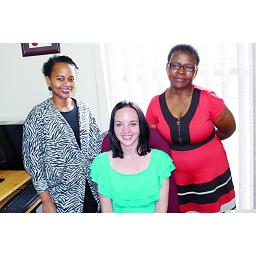
Social workers celebrated Social Workers Month in March and Ms Sonja Smit, social worker at Rata, said their organisation focuses on family care and the wellbeing of a family.
Rata’s main focus is to protect children and act in the best interest of a child.
“We want to make sure that the children’s voices are heard,” said Ms Smit.
Rata can render services involving adoptions and foster care and they will step in when children are neglected and abused.
They can also help in incidents of family conflict or violence and re-uniting the family.
Also read: Support Ridge Times and Highveld Social Services with food donations
“If a child was removed, we render services to the parents to see if it is possible to re-unite them with the child.”
Rata is also involved with community development and the upliftment of the community.
One of their auxiliary workers, Ms Sarah Nkosi, launched various projects to empower foster parents and foster children in Lebohang.
She also often organises awareness campaigns and visits parents in Lebohang to explain how Rata works.
Ms Bukiwe Nobendle, social worker at Rata, is responsible for foster care supervision, extension of court orders and discharges.
These social workers told the newspaper what one day in the life of a social workers look like.
“Last night I did not sleep well. My case loads are piling up (237 files) and there are more court cases per month that one can humanly attend. You are supposed to be in the office at 8am, but here I am at 6am, hoping to write a report before the doors open for clients’ consultation sessions.
“At 7am there are a few emergencies, a child being neglected, another one being abused.
“You rush to the addresses and it is no easy process. Once you arrive there, you are a bad person for ‘taking away a child’.
“People will never admit that they abuse the child to the point of hospitalisation and that is the reason why the child is being removed from their care.
“It is always ‘the social worker had no reason to do so’. Then the struggle of finding a place of safety for the child begins.
“This child cannot be left in the care of anyone and we do not have resources in the area. All the places of safety or child and youth care centres are full. This might take up your entire day and even night. When you arrive at the office the next morning, you have to deal with the court cases, reports and paperwork of the child you removed the day before.
“What happens to your other cases?
“The public demands immediate attention and refuse to understand why you could not help them the day before.
Also read: Mpumalanga Mental Health Society appreciates Sharen Wickens’ service as volunteer
“You were just not available and regardless of whether there was a child in need of care and protection or not, they wanted you to wait in the office for their phone call or unscheduled appointment.
“A social worker cannot predict their days, weeks or months since we are constantly responding to emergencies.
“We are not available 24/7 because believe it or not, social workers actually do need rest.
“We are not ATMs and cannot give money to anyone who asks us for money, because that is not the goal of our service delivery and our salaries are below the tax scale. And yes, we are divided into working areas because one social worker cannot be responsible for the entire district.
“We do reach the point of burnout because our work is stressful at best.
“However, we use our degrees (yes, social workers are highly qualified, intelligent and capable, since this is also underestimated, we actually study for four years and undergo intensive training) to do the best we can to serve our clients and especially our children with love and compassion.”
Rata is dependent on donations from the public for food and clothes and their food cupboards are currently low.
If you want to donate food or support them, contact Rata at 017 631 1631.