
Psychological counsellor gives helpful tips to the Class of 2020
“We are there for each other and in mutually “being there” for each other we can also help minimise the impact of the Covid-19 on our psychological well-being.
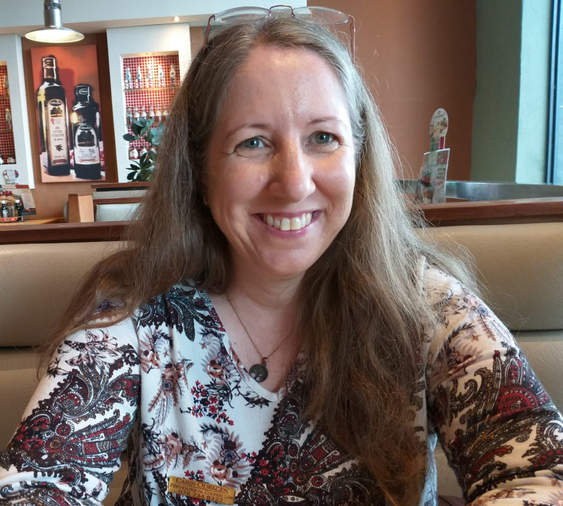
HIGHVELD – Covid-19 takes a toll on young people when it comes to social distancing.
With not being allowed to touch, in the past before the pandemic one would be allowed to greet each other through hugging or touching in expressing one’s emotions of care and friendship in communicating to each other.
Ms Carin Olwagen, psychological counsellor, gave a few helpful tips on how you can deal with challenges one may be facing and how to manage anxiety or panic attacks.
“During this time of change in the “new normal” having to change one’s behaviour may save the lives of those you care for the most,” said Ms Olwagen.
“This new way of communicating is, within our current circumstances, the best way to say that you care about the well-being of your friends through implementing the necessary measures and engaging in ways to communicate differently to show your affection e.g. through hand gestures like showing a heart with your hands, communicating your feelings by expressing them verbally, as well as sending comforting messages to your friends through social media while you are not able to visit each other.”
Ms Olwagen said is also important for parents and teachers to understand that they play a significant role in the lives of young people.
“The best way to show that you are truly there is to be able to listen with understanding. Often young people just need to be heard and this has a positive effect on their emotional well-being. Having a voice and being able to express your feelings is a powerful way for young people to cope in this difficult time and parents, as well as teachers, can be that sounding board for them to be able to feel heard. One’s ears may mean more than saying a thousand words.”
Ms Olwagen said being able to have a support network is vital to your psychological well-being.
“This makes all the difference in coping with life-difficulties. As a matriculant it may be the best form of showing that you are there for your friends by letting them know and assuring them of your support verbally or via WhatsApp voice call or video.
“We are there for each other and in mutually “being there” for each other we can also help minimise the impact of the Covid-19 on our psychological well-being.
“There is also the importance of letting your parents know if you feel concerned that your friend needs more professional help in cases where they may be at risk of harming themselves or in the case of being harmed.”
Helpline is toll-free and a confidential line when needing support. You can also share this number to your friends in need 080 056 7567.
Ms Olwagen said there are certain symptoms that one may experience due to the pressure, adjustment and change, for example experiencing anxiety or panic attacks due to the uncertainties one may be facing.
“It is important to be aware of your bodily reactions which is an indicator of your emotional state at the time e.g. having a racing heartbeat; feeling warm; muscle tension, feeling like fighting or fleeing; irritability; lack of concentration and panic to name a few.
“When you have these reactions it is important to breathe deeply in and slowly out a few times to calm your body down and letting yourself know that all is okay. Look around you to see if there is any present danger. If not, tell yourself that you are safe. Let someone know that you are feeling anxious. Write down your emotions and thoughts on paper or in a journal to decrease the anxiety and also write what you want to experience opposite to the anxiety,” ended Ms Olwagen.
Seek help if ones condition persists by asking your parents to take you for counselling and if you are not having someone to assist you, call the 24 hour helpline at 080 045 6789.
Notice: Coronavirus reporting at Caxton Local Media aims to combat fake news
Dear reader,
As your local news provider, we have the duty of keeping you factually informed on Covid-19 developments. As you may have noticed, mis- and disinformation (also known as “fake news”) is circulating online. Caxton Local Media is determined to filter through the masses of information doing the rounds and to separate truth from untruth in order to keep you adequately informed. Local newsrooms follow a strict pre-publication fact-checking protocol. A national task team has been established to assist in bringing you credible news reports on Covid-19.
Readers with any comments or queries may contact National Group Editor Irma Green (irma@caxton.co.za) or Legal Adviser Helene Eloff (helene@caxton.co.za).