Standerton, Morgenzon fail dumpsite audit
AfriForum’s annual dumpsite audit results have been released and Standerton Advertiser investigates why the local sites do not comply.
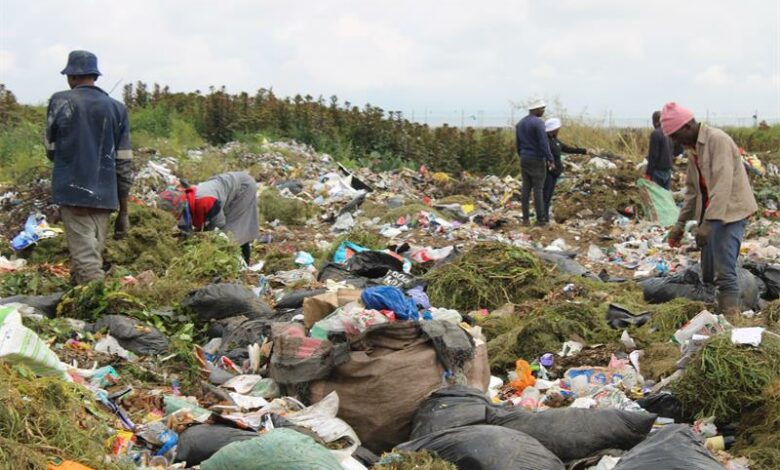
AfriForum released the results of its annual audit detailing the state of dumpsites nationwide on September 10. According to the audit’s final results, only two dumpsites in Mpumalanga were up to standard.
Neither the Standerton nor the Morgenzon dumpsites meet the requirements to function efficiently according to this audit. According to an AfriForum statement, dumpsites pose several dangers, including pollution from fires, pollution of nearby water sources and numerous health issues.
A dumpsite must achieve at least an 80% pass rate, meeting most of the requirements, to pass the audit. AfriForum bases its scores on a 33-question questionnaire that determines the status of a dumpsite and its capacity. A dumpsite must meet the requirements set by law.
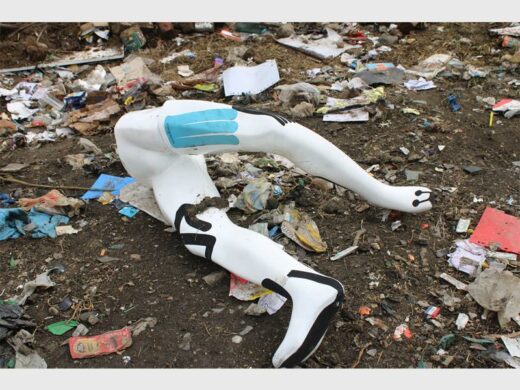
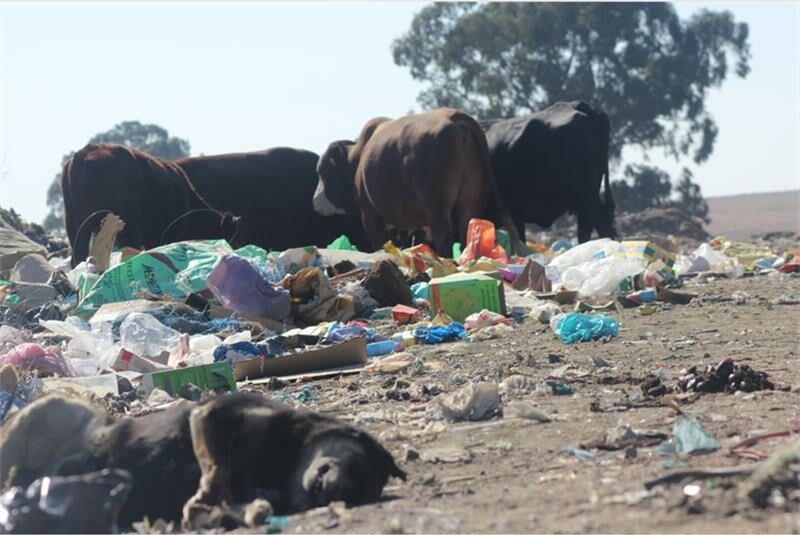
While the Standerton Dumpsite obtained a 60% pass rate, the Morgenzon Dumpsite failed all the audit requirements. This site was closed for over a year due to severe overflow, with medical waste and animal carcasses strewn across the premises.
There is no monitoring system to determine the amount of waste dumped daily. According to Hennie Bekker, the AfriForum district co-ordinator, the site is well past its operational capacity.
“The waste is blown all over Morgenzon because it is not compacted, and there is no access or control over the terrain.
The problem
According to AfriForum’s report, local municipalities are becoming more unreliable in providing effective waste removal services. The report stated that an an increase in population and income has led to higher volumes of waste, placing pressure on municipal dumpsites.
According to the 2022 State of Waste Report, South Africa produces 107.7 million tons of waste a year. The Department of Forestry, Fisheries, and the Environment (DFFE) estimated that 65% of common waste ends up on dumpsites.
AfriForum disputes this, stating that 90% of waste ends up at dumpsites and illegal dumping sites, while only 10% is recycled. The report notes that hazardous waste often ends up at dumpsites unequipped to handle it.
What does the law say?
In its report, AfriForum explains that waste management is a service that municipalities are required to deliver, as determined in the Constitution.
The government must implement measures aimed at reducing the amount of waste and to ensure that waste is recycled or destroyed accordingly.
Waste management in South Africa is based on several laws aimed at preventing pollution.
These laws include:
• The Hazardous Substances Act 15 of 1973 regulates the handling and destruction of dangerous substances.
• The Environmental Conservation Act 73 of 1989 regulates the protection of the environment.
• The Minimum Requirements for Waste Disposal by Landfill 1998 provides guidelines for classification, location, and management of dumpsites.
• The National Norms and Standards for Disposal of Waste Landfills 2013 set national standards for dumping on dumpsites.
• The National Environmental Management Act 107 of 1998 guides decision-making regarding landfills.
• The National Environmental Management: Waste Act 59 of 2008 regulates waste management.
According to Article 9(1) of the National Environmental Management: Waste Act 59 of 2008, municipalities must dispose of waste in a manner that does not contravene national or provincial standards.
Dumpsites can spread disease
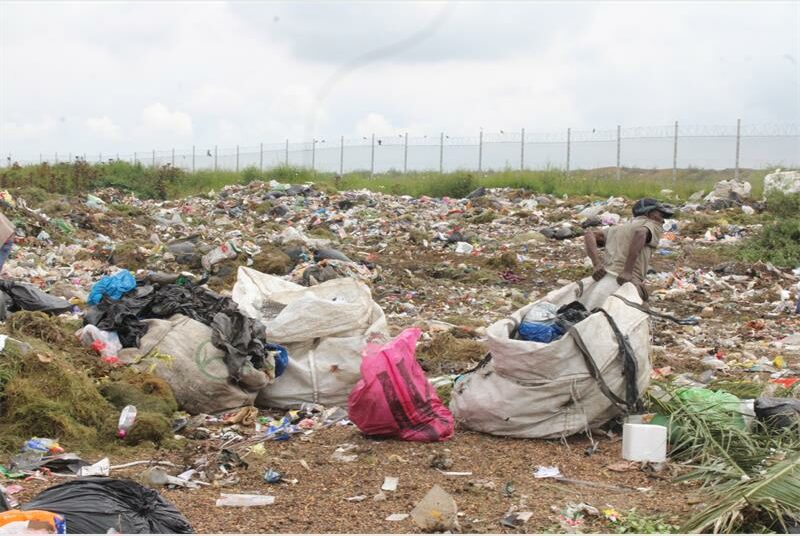
A dumpsite can pose many dangers for nearby residents, as well as recyclers and workers who sort and compact the waste. According to AfriForum’s dumpsite audit report, vehicles transporting waste to and from the site can endanger workers.
Fires at dumpsites can release air pollutants, while waste can contaminate nearby water sources. Pollution from dumpsites can lead to serious diseases.
People can drink polluted water or eat food grown in the polluted soil. According to the report, people may develop respiratory illnesses or even cancer due to prolonged exposure to waste at dumpsites.
Dumpsites also pose serious risks for children. Children who grow up near dumpsites can suffer from birth defects and become weak and sickly.
Safety measures must be taken at each dumpsite to reduce health risks and prevent the spread of disease.
How is waste classified?
AfriForum’s report on the audit stated that waste can be classified into two categories – common waste and dangerous waste. Common waste is household waste that includes common waste items from households and businesses, such as building waste, garden waste, and everyday food waste.
According to the report, it is the municipality’s duty to remove this waste and transport it to the dumpsite. Payment for waste removal is included in municipal accounts. Dangerous waste refers to material that pollutes the environment and harms residents’ health.
This waste comes from industrial businesses such as factories, mines, and hospitals. This type of waste can only be disposed of at sites equipped to handle it.
The dumpsites in Standerton and Morgenzon are not classified as hazardous waste facilities. However, medical waste and chemicals have been spotted at the Morgenzon site.
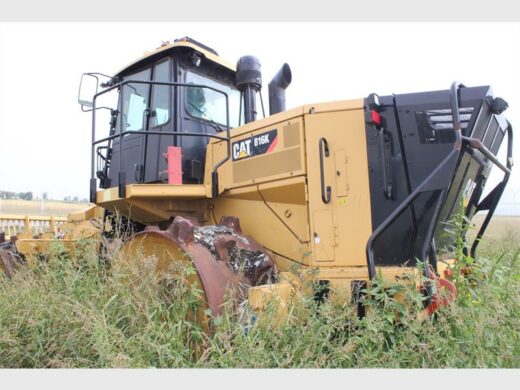
A broken TLB on the Standerton dumpsite. Photo: Zell-Mari de Jager