Photo exhibition in Bethal brings message of Human Rights Day to life
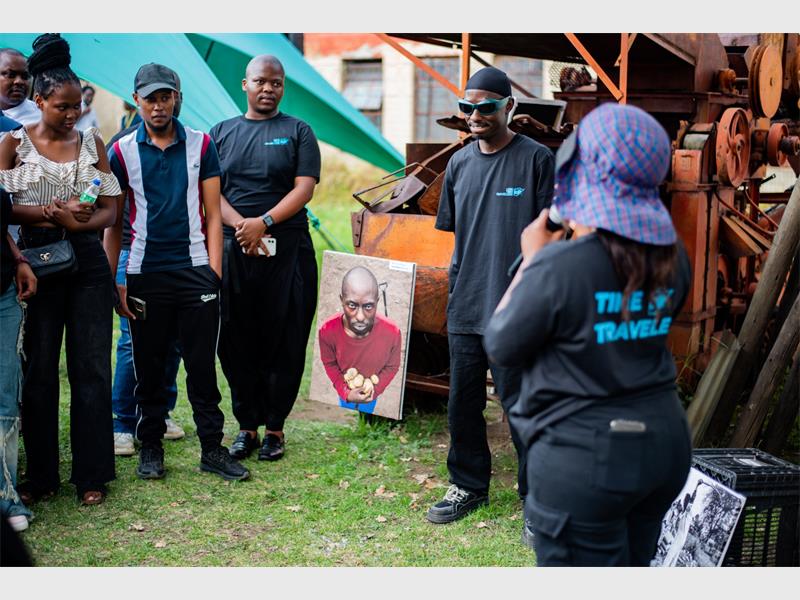
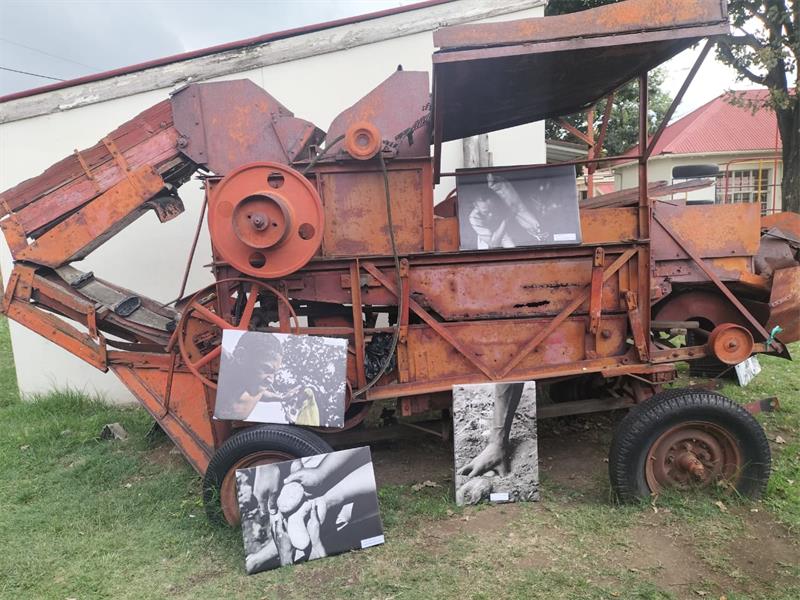
At the Nomoya Masilela Museum, the Lens Time Travellers Photography Exhibition marked the culmination of New Age Artistry’s work-integrated learning programme by equipping young photographers with skills in visual storytelling, historical engagement, and documentation.
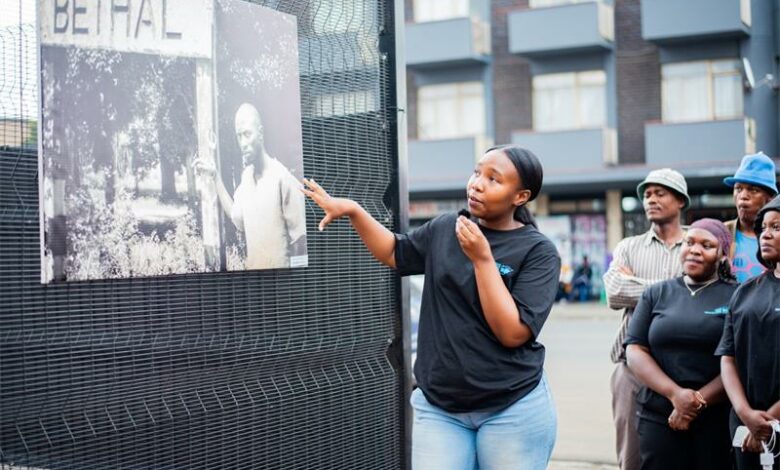
Human Rights Day in Bethal did not unfold as a ceremony. It unfolded as participation.
At the Nomoya Masilela Museum, the Lens Time Travellers Photography Exhibition marked the culmination of New Age Artistry’s work-integrated learning programme by equipping young photographers with skills in visual storytelling, historical engagement, and documentation. They also made creative education accessible within a town where such opportunities are often out of reach.
A platform co-founded by Sthando Masuku.
More than an exhibition, it was a living archive, making visible the people, experiences, and realities often overlooked in everyday life. Participants produced work grounded in identity, memory, and human rights, not as general ideas, but as lived experiences.
Voices anchored the day
Kwazi Mtsweni stated, “We either die alone in isolation, or we live together,” calling for unity beyond division. Spha Motha reflected on prison labour as a continuation of exploitation on farms, confronting dignity and lived inequality.
Thabiso Tshowa revisited the 1980 Sasol bombing by Victor Khayiyana through a present-day lens, capturing his grandson in a school corridor, visibly anxious. Not a recreation of the past, but a reminder that young people continue to navigate pressure and uncertainty.
Kelly Dune highlighted the right to education, noting that access remains unequal beyond formal systems.
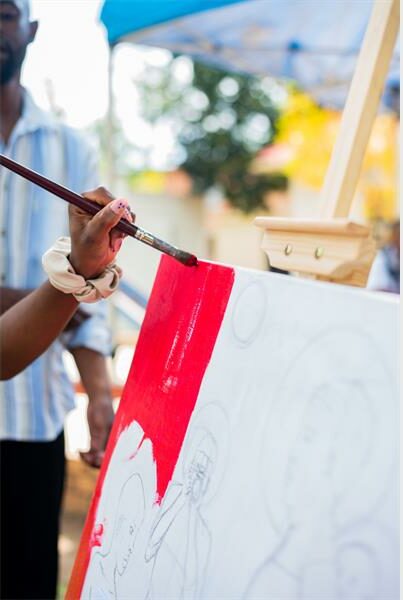
Other themes emerged powerfully
Malwande Hlatshwayo confronted GBV, exposing the contradiction of awareness without safety, and pushing for accountability and continued advocacy.
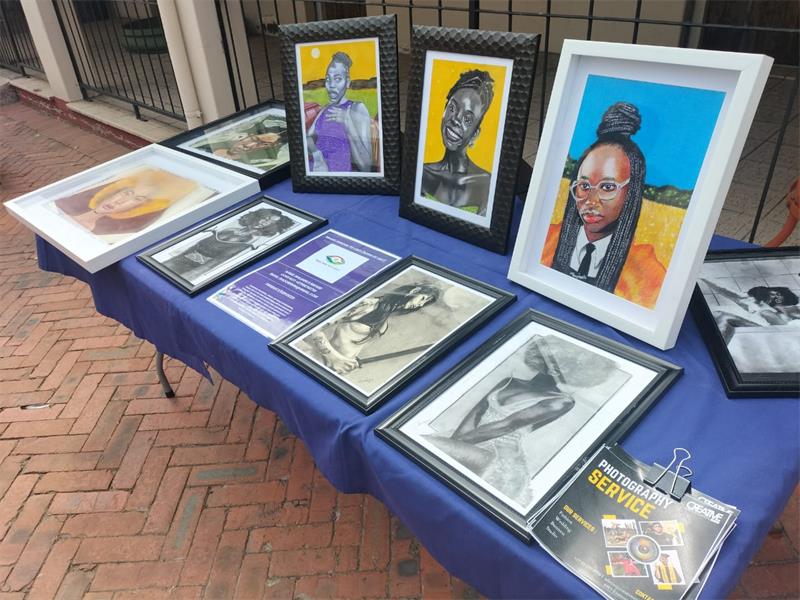
Tevin Andrews focused on dignity, reframing everyday black life through portraiture that captured people, children, elders, and families, with care, presence, and humanity within their environments. The intention was clear: to make visible what is often ignored and restore dignity through representation.
Water, as a basic human right, was also brought into focus. A series led by Zozo Kubheka documented the ongoing water shortages affecting Bethal and surrounding areas, grounding the issue as lived and immediate.
More than an exhibition
The exhibition moved beyond photography into performance and engagement. Church Grooves featuring Lwazi Shongwe contributed musically while also participating within the programme. Sindiswa V delivered a vocal moment that held the room.
At the centre was Nomoya Masilela Museum curator Goodman Vilakazi, representing the Department of Sports, Arts and Culture. Through guided engagement, he shared layered histories of Bethal, including the origins of its name and lesser-known narratives, grounding the exhibition within place and memory.
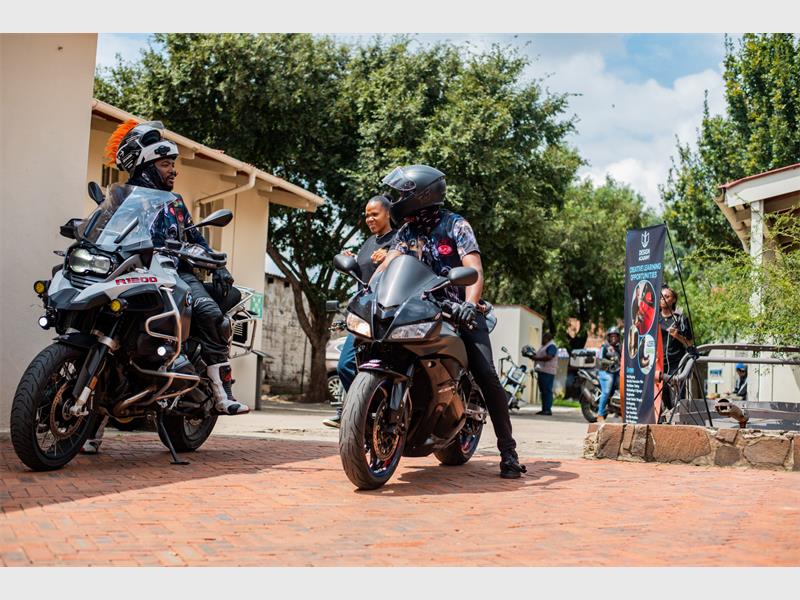
The presence of the Ridge Riders Bethal Motorcycle Club reinforced the importance of remembrance and community.
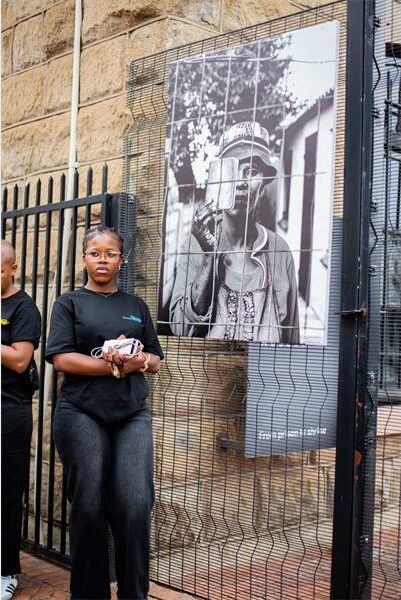
A broader creative ecosystem
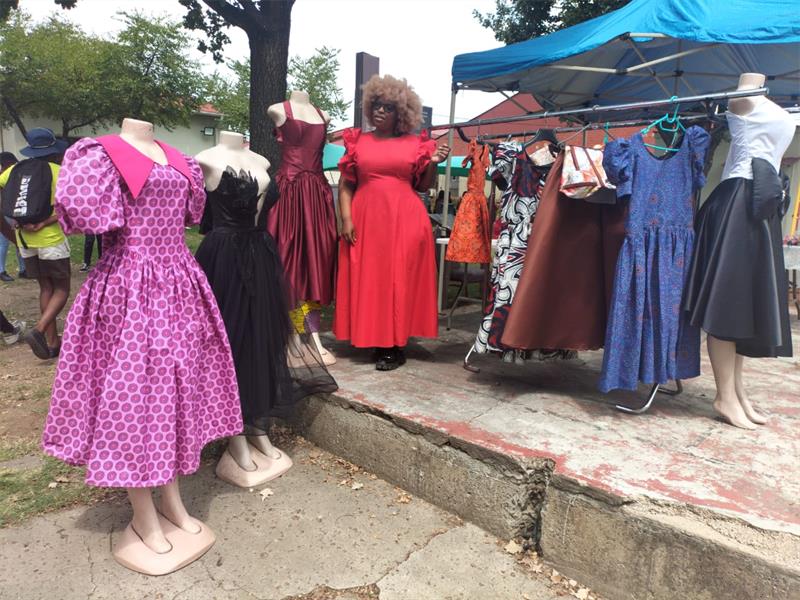
Local brands and exhibitors included Ingoma Yo Ciko, Natural Dope Designs, Kuhlase Disability Centre, Thanfrancinah Gift Hampers, and Jays Handpainted Crafts. Ons Winkel supported with clothing racks.
Skomplaas was represented by Thando Mkhaliphi, while Ms Mpumalanga Top 10 finalist Masibulele Mndebele formed part of the audience. Emzini FM’s Petunia Nkosi attended, alongside Dope Hot and Fresh.
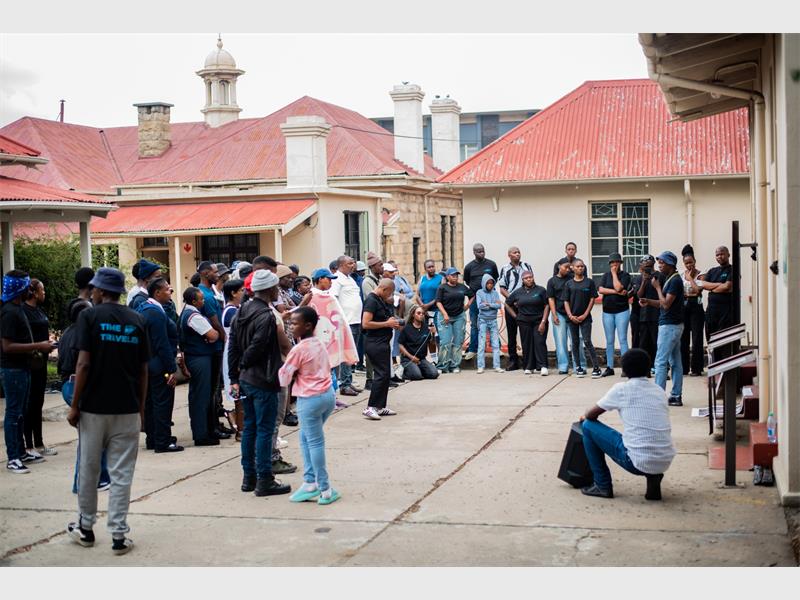
A multigenerational audience did more than attend; they interacted, exchanged ideas, and began to see new ways of working together. This exhibition positioned local creatives as active archivists, documenting, interpreting, and reclaiming their narratives in real time.
What became evident is this: platforms like this do not beg for participation. They draw it out. In a country where youth unemployment exceeds 35%, and rises significantly higher among persons living with disabilities, particularly in rural and peri-urban areas, creative work cannot remain informal or isolated.
It requires structure, platforms, and continuity. This exhibition demonstrated what that can look like: skills linked to platforms, platforms linked to audiences, and audiences linked to opportunity.