GMM councillors owe almost R1 million in service money
The question begging to be answered: How can the municipality allow councillors to rack up such high accounts without their services being cut while residents are expected to pay without exception?
Several councillors of Govan Mbeki Municipality owe almost R1 million in combined debt for unpaid property rates and taxes.
The municipality, which has been drowning in Eskom and Rand Water debts, has prioritised collecting these arrears payments – even if this means collecting it from councillor’s remuneration when their terms expire.
ANC councillor, Magareth Masiteng, tops the list of councillors who were in arrears as per the municipality’s quarterly budget statement dated March, 2022, with an amount of R127 748-78.
Her ANC comrades on the March list are Sidney Sihlalo with R107 516-37, Phillemon Vilakazi with R70 346-95, Judas Maluka with R51 127-44, Calvin Makhado with R48 731-50, Simphiwe Sindelo with R29 350-77, Lucky Ngwenya with R22 523-78 and even the Member of the Mayoral Committee (MMC) for Water and Sanitation, Phillemon Mtshali who owed R40 389-89.
The GMM speaker and ANC councillor, Fikile Magagamela and the MMC for Community Services, Mavis Nsibande (EFF) were also in arrears owing the municipality between R2000 to R8000.
EFF councillors in arrears were Maria Nkuna with R93 936-36, Thabiso Mofokeng (who is the chief whip of the EFF) with R65 774-68 and Gift Sierana with R36 851-12.
DA councillors who were in arrears according to the March report, are Kenneth Thukwana with R80 894-06 and Thomas Mazibuko with R74 398-89
ATM councillor Lwandile Ziwele owed the municipality R34 980-83 in March.
Ridge Times asked the municipal spokesman, Donald Green whether councillors are allowed to be so indebted to the municipality, why these councillors’ accounts are so far in arrears and if their services had been cut. In response to the August 23 media queries, Green referred the newspaper to the chief whip of the council, Joseph Mtsweni.
Mtsweni said some councillors had made payment arrangements with the finance department, but would not confirm who they were, or divulge any further details.
He reported having warned councillors that failure to make payment could result in deductions from their end-of term payments.
Last year, former councillors who were not re-elected after local government elections queued at the municipal offices to demand their full salaries after substantial portions had been deducted to cover their debts to the municipality. Some threatened the municipality with legal action.
One day after receiving Ridge Times’ media queries, an ordinary council meeting was held in Secunda.
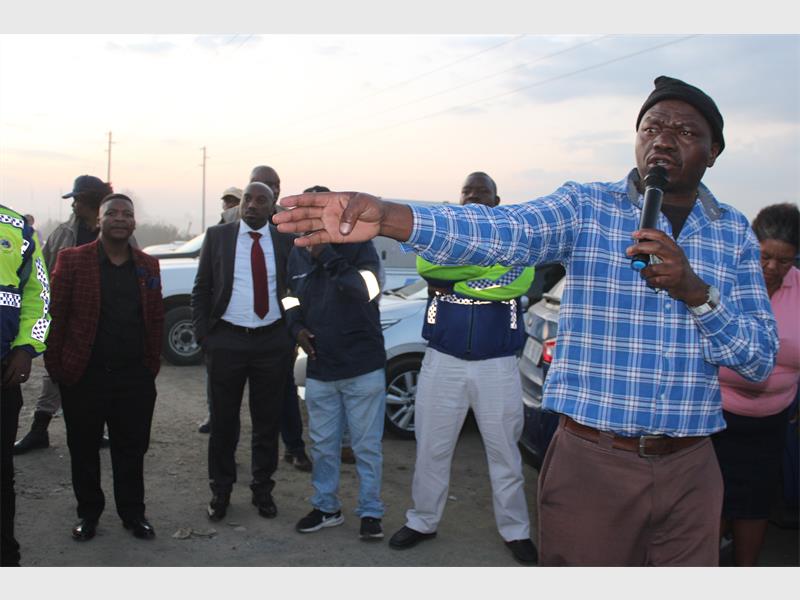
During the meeting, letters of demand were handed out urging councillors to pay their outstanding debt or to make repayment arrangements with the financial department.
Shortly after, the publication’s journalist was approached by various councillors individually, all seeking to address the issue of their municipal accounts.
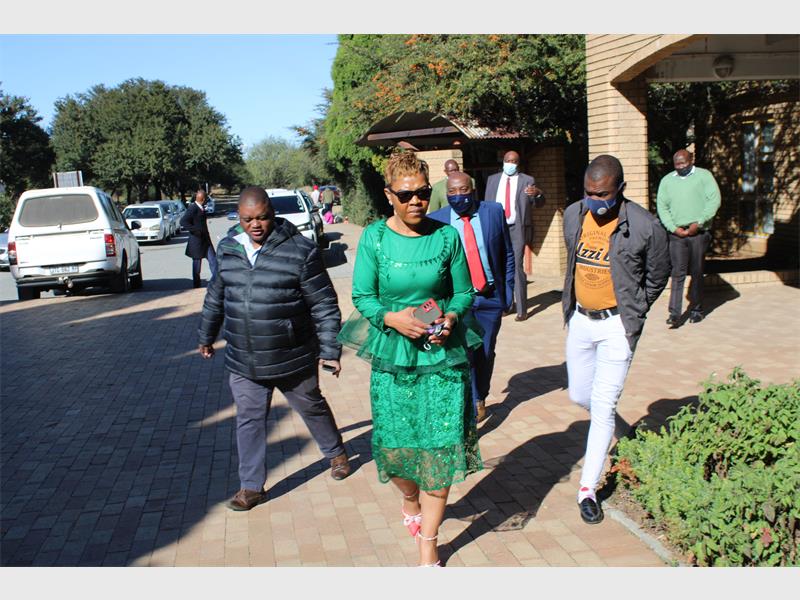
Some accused the municipality of incorrectly billing them, while others said they are still waiting for the municipality to respond to their payment arrangement plan.
Sihlalo said his charges were in relation to a place where he no longer resides.
He claimed that a traditional leader had forced him off the property four years ago but the services have never been cut off and he is still being billed.
He is in favour of the municipality cutting off services when consumers do not pay.
Sierana said his arrears account in fact belongs to a third party.
Mofokeng disputes the debt ascribed to him, saying that he was wrongly charged according to his property and not the services consumed.
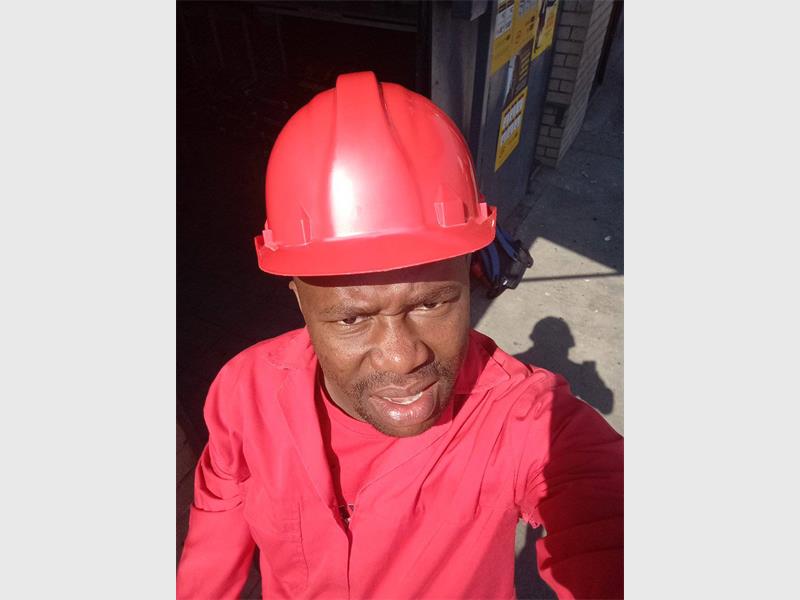
Ngwenya said he had made an arrangement to pay the municipality and his account is currently only R20 000.
Tony Mabizela also made arrangements to pay his debt. He said there had been a time when the municipality didn’t deduct his monthly account from his salary.
Ridge Times tried to contact the remaining councillors on the March list individually to ask comment in reaction to the allegation that they had failed to adhere to the municipal systems act by owing the municipality rates and taxes. Several councillors’ cellphone numbers were incorrect on the municipal website and others didn’t answer their cellphones.
Those the publication could get hold of were not willing to comment.
The speaker, Magagamela, instructed Ridge Times to present her with media queries to which she would respond on behalf of all the councillors. This was done on Friday morning.
Among these questions the one begging to be answered: How can the municipality allow councillors to rack up such high accounts without their services being cut while residents are expected to pay without exception?
Magagamela did not reply at the time of going to press on Monday, August 29.
· What the law says:
The municipality, in compliance with section 52(d) of the Municipal Finance Management Act(MFMA), must submit a quarterly report in a prescribed format to the council on the implementation of the budget and the financial state of the municipality.
The quarterly financial budget statement aims to provide an update on indicators critical to the municipality’s viability and serves as an early warning where remedial action is required. It is the consolidated performance and high-level overview of the municipality’s viability and sustainability.
The report was tabled to the council to ensure good governance and financial viability as it also provides the council with the necessary information to make informed decisions.
According to the March quarterly budget statement analysis, the reasons for revenue decline in the municipality, are:
• poor enforcement of credit control and debt collection policy.
• Cut off action not done continuously.
• Insourcing of services that were being done by the external service providers on meter reading and installation.
• Pre-paid meters inspection not done on a continuous basis based on low purchases(to identify ghost vending ) and zero purchases( identified meter tempering).
• Ghost vending and broken meter or faulty meter not replaced in time.
• Adjustment of accounts due to inaccurate billing data and loss of revenue through vending.