Residents of informal settlement in eMbalenhle are concerned over lack of basic services
Despite their frustrations, residents have launched a clean-up campaign to improve conditions in the settlement.
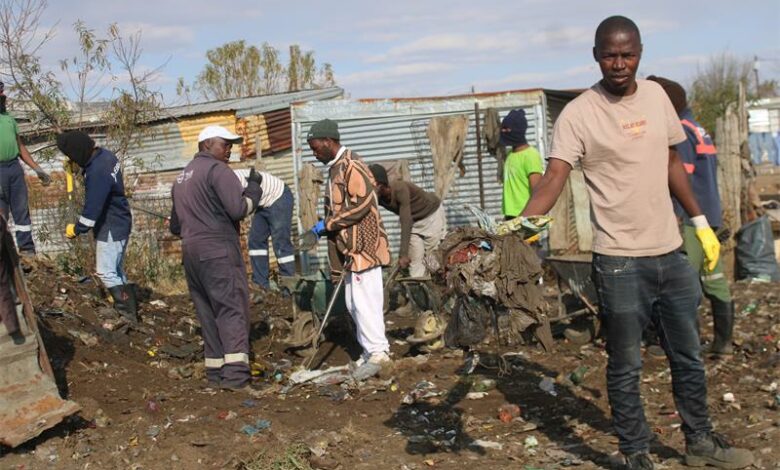
Residents of Marikana informal settlement in Mandela Section, eMbalenhle, say they lack basic service delivery in their community.
Residents say they do not have adequate access to water and sanitation services, which they argue are fundamental rights protected by the Constitution.
They claim that despite reports presented to the council by the Executive Mayor of Govan Mbeki Municipality, Nhlakanipho Zuma, indicating that informal settlements are being supplied with water, they continue to experience shortages and are forced to fetch water from neighbouring formal residential areas.
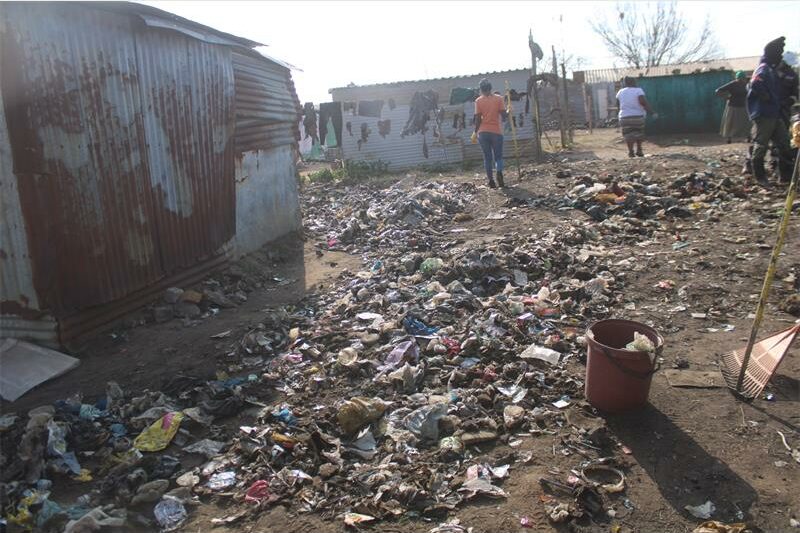
Residents further allege that waste collection services in the settlement are either inadequate or non-existent.
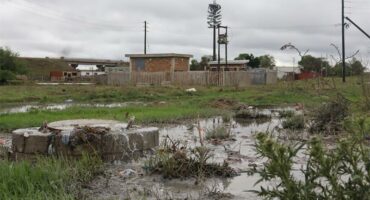
They say this has led some community members to dispose of waste in and around shacks, effectively turning parts of the settlement into informal dumping sites.
Community members warn that the situation poses serious health risks, especially to children who play near the accumulated waste.
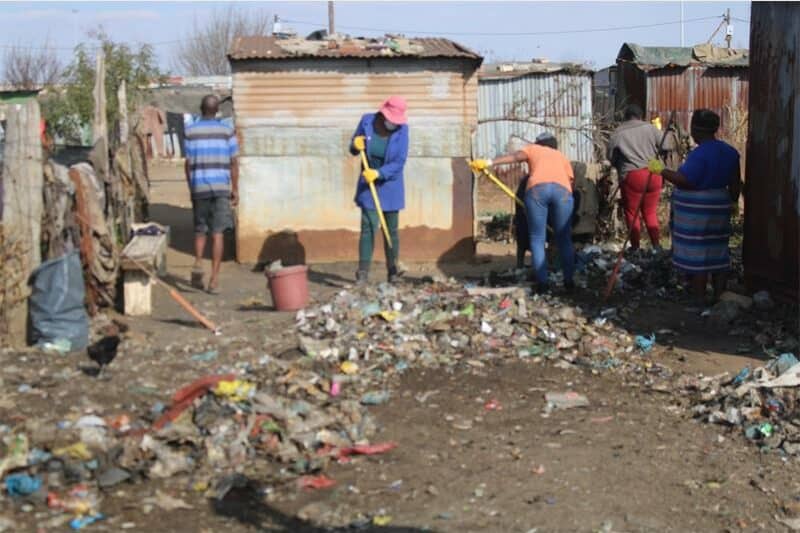
Luzuko Dywili said residents are concerned about the deteriorating state of their area, which he described as filthy and overwhelmed by garbage.
“We are being neglected as the residents of Marikana informal settlement. Some community members do not even respect us because waste is dumped next to our shacks.
“Since 2014, we have been begging the municipality for water, but we only see politicians when they want our votes. They make promises during election campaigns and disappear afterwards,” said Dywili.
He further alleged that the mayor regularly reports to council that informal settlements are receiving water services whenever questions are raised about water losses within the municipality.
“We are being used as a shield while in reality we do not receive water, which is a basic human right,” he said.
Dywili said residents have repeatedly requested the municipality to remove large piles of waste that were already present when the community occupied the area in 2014. However, he claims these requests have yielded little more than promises.
He also alleged that both current and former ward councillors have failed to obtain answers from municipal officials about the lack of water provision and sanitation facilities in the settlement.
ALSO READ: Lekwa residents are divided over call for illegal immigrants to leave SA
“What is most shocking is that the land we occupied consists of residential stands that politicians have failed to allocate to community members in need. Instead, these areas are often used during election campaigns to canvass for votes.
“Community members need residential stands, and the municipality should formalise our settlement and provide services, but that is something they appear unwilling to do,” said Dywili.
He further claimed that residents from neighbouring formal residential areas sometimes pay drug addicts to dump waste near the settlement during the night.
“This has been happening for years. We have previously caught some of these individuals dumping waste, and, in some instances, residents have assaulted them.
“We have since decided not to take the law into our own hands and instead hold the municipality accountable for addressing the problem,” he said.
According to Dywili, the ongoing waste problem is affecting children’s health in the area.
ALSO READ: Mayor claims Govan Mbeki Municipality has made considerable progress since 2021
“Our children are developing skin rashes because they play near the garbage. We are also experiencing a growing problem with large rats that are becoming a nuisance in the community,” he said.
Despite their frustrations, residents have launched a clean-up campaign to improve conditions in the settlement. However, Dywili said they fear that without regular waste collection and municipal intervention, the area will soon return to its current state.
Residents are calling on the Govan Mbeki Municipality to address their concerns by providing reliable access to water, sanitation facilities, waste removal services and the formalisation of the settlement.
Responding to concerns raised by residents of Marikana informal settlement in Mandela Section, eMbalenhle, the Govan Mbeki Municipality says it acknowledges the growing service delivery challenges and grievances experienced in local informal settlements.
The municipal media liaison and content developer, Donald Green, said the municipality remains committed to safeguarding the basic human rights of all residents and continues to monitor community concerns through active engagement with ward councillors.
“The rapid, uncontrolled population growth and accelerated land occupation continue to place immense strain on the municipality’s existing fiscal budget and bulk infrastructure capabilities,” said Green.
He said that, despite these structural constraints, the municipality is actively implementing a range of interventions to provide relief and improve living conditions in affected communities.
Addressing concerns regarding waste management, Green said the municipality is aware of the rapid accumulation of waste and the increase in illegal dumping sites within informal settlements.
“Due to dense shack alignments and a lack of dedicated access roads, standard municipal waste compactors are physically restricted from entering these areas,” he said.
Green explained that Executive Mayor Nhlakanipho Zuma has prioritised the Ijima Lokuhlwengisa Clean-up Campaign as an immediate intervention.
Municipal workers and Expanded Public Works Programme (EPWP) teams are regularly deployed to manually remove waste from areas inaccessible to refuse collection vehicles.
“To immediately mitigate these environmental and health risks, dedicated municipal and EPWP teams are continuously deployed to manually clear accumulated refuse from inaccessible areas,” said Green.
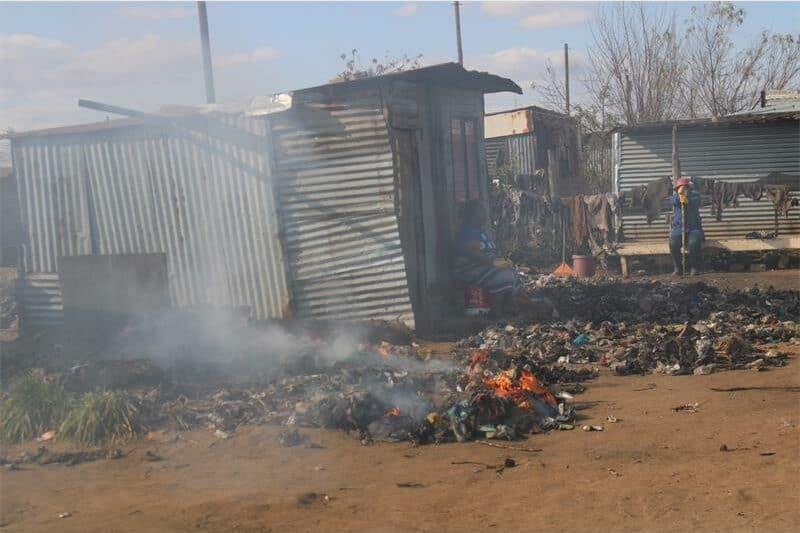
According to Green, these targeted operations aim to eliminate environmental hazards and restore acceptable hygiene standards within affected communities.
He further stated that the municipality conducts ongoing service delivery capacity assessments to balance short-term operational interventions with long-term urban planning objectives.
“While financial and spatial challenges persist, the administration is actively exploring collaborative frameworks to expand service infrastructure sustainably,” he said.
Green also appealed to residents to support municipal efforts by refraining from illegal dumping in open spaces and stormwater channels.
“The Govan Mbeki Municipality appeals to all residents to assist municipal teams by refraining from illegal dumping in open spaces and stormwater channels, ensuring public spaces remain clean and safe for all,” said Green.