Meet ward councillor candidates for Govan Mbeki Municipality
Only candidates from the Democratic Alliance (DA), the Govan Mbeki Municipality Ratepayers Movement (GMMRM), the African Transformation Movement (ATM) and the Vryheidsfront Plus (VF+) answered our questions.

Ridge Times invited ward councillor candidates from all parties to introduce themselves on our website.
In the Govan Mbeki Municipality, only candidates from the DA, the Govan Mbeki Municipality Ratepayers Movement (GMMRM), African Transformation Movement (ATM) and the Vryheidsfront Plus answered our questions.
Here are the candidates in order of their ward numbers.
WARD 1
Portia Mpatlanyane (DA)
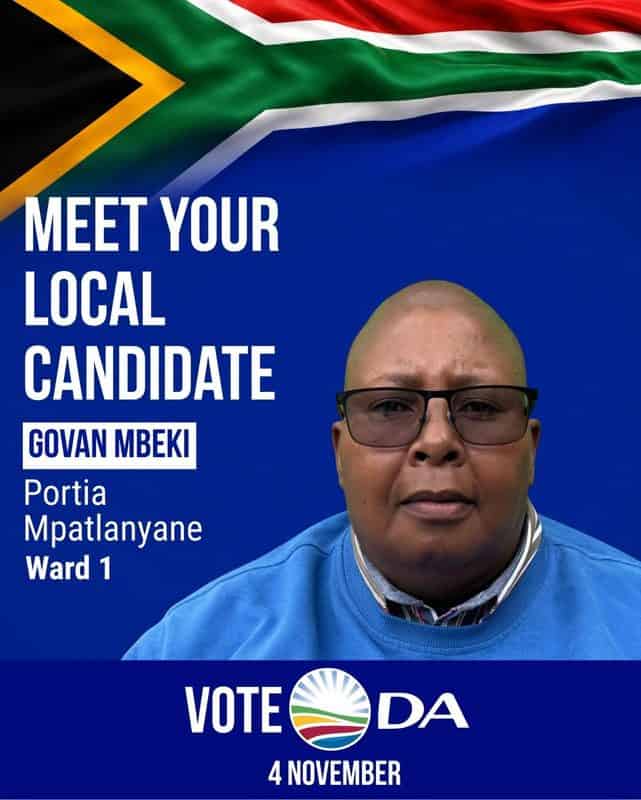
Q. What are the three biggest challenges facing Ward 1(Leandra, Lebohang, Eendracht and surrounding Farm communities) and how will you address them?
A:Our three biggest challenges are poor basic service delivery, inadequate infrastructure and limited economic opportunities.
I will focus on fixing the basics: – water, electricity, roads, sanitation, refuse removal and lighting, while fighting for housing, serviced land and economic opportunities. I will maintain a ward service delivery register and follow every serious complaint until there is an answer.
Q. How will you improve basic service delivery?
A: Residents should not have to chase government for services they are entitled to receive.
I will establish a Ward 1 Service Delivery Register to track water leaks, electricity faults, refuse collection, potholes and other complaints. Problems will be reported, assigned, escalated and followed up until resolved or properly explained.
Q. What will you do about crime and community safety?
A:Safety starts with a community that is organised and properly supported.
I will work with SAPS, community policing structures and residents to identify crime hotspots, improve street and high-mast lighting, address dark and neglected areas, and support community safety initiatives.
I will also push for cleaner and better-maintained public spaces because neglected areas should not become safe havens for criminal activity.
Q. How will you keep residents informed and involved?
A: No more governing from a distance. I will hold regular ward meetings, establish effective communication channels and provide regular updates on service-delivery issues and municipal projects.
Residents must know what has been reported, who is responsible, what progress has been made and where delays exist.
Q. How will you support businesses, informal traders and job creation?
We need an environment where local people can create livelihoods.
I will support small businesses and informal traders through better access to information, municipal processes, skills programmes and available government opportunities.
I will also promote partnerships between local businesses, government and community organisations to expand opportunities for young people and unemployed residents.
Q. How will you improve conditions in informal and underserved areas?
A: Every community deserves dignity and access to basic services.
I will push for a clear, practical plan for underserved areas covering water, sanitation, electricity, roads, refuse removal and lighting, while working with the relevant authorities on land, housing and formalisation issues.
Residents deserve clear answers—not endless promises.
Q: How will you tackle potholes, sewage spills, streetlights and illegal dumping?
A: I will introduce a Ward 1 Infrastructure Action Plan.
We will identify and prioritise potholes, sewer spills, damaged manholes, broken streetlights and illegal-dumping hotspots. I will consolidate complaints, escalate them to the responsible departments and report progress back to residents.
Q: How will you ensure municipal money is spent properly?
A: Every rand must be accounted for.
I will use council oversight mechanisms, municipal budgets, performance reports and financial reports to monitor projects and spending.
Residents have the right to know what was budgeted, what was delivered, what it cost and why anything has been delayed.
Q: What will you do for young people, women and vulnerable residents?
A: We need to turn frustration into opportunity.
I will support initiatives connecting young people to skills development, learnerships, internships, entrepreneurship, sport and employment opportunities.
For women and vulnerable residents, I will support skills development, small-business opportunities and better access to government and community support programmes.
Q. How will residents hold you accountable over five years?
A: I will make accountability measurable.
Residents will receive regular progress reports, have opportunities to question me at ward meetings and be able to track major service-delivery issues.
At least annually, I will report publicly on what was promised, what was achieved, what remains outstanding and why.
My promise to Ward 1 is not to make impossible promises. It is to be present, to listen, to act, to follow up and to account for my performance.
WARD 4
Sotho “Bizzar” Matli – African Transformation Movement (ATM)
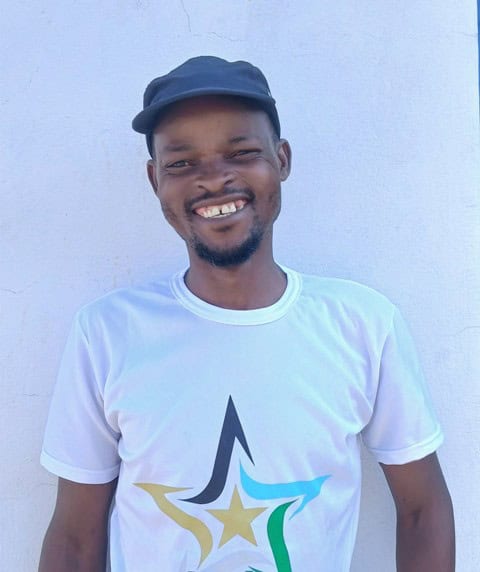
Q:What are the three biggest challenges currently facing your ward, and how will you address them?
A: Sewage spills and unhygienic streets: We will address this by conducting a full technical audit of blocked lines, demanding municipal emergency jetting trucks, replacing damaged main pipes, and establishing regular preventative maintenance so families live healthy lives.
Dark streets and crime: We will address this by submitting formal municipal council requisitions to replace blown bulbs and damaged electrical cables on all high mast lights across Ward 4, lighting up dark alleys to restore night safety.
Bad roads and high municipal rates: We will address this by securing municipal graders and materials for routine regravelling, prioritizing the restructuring of PWV streets (including ema 10), and challenging inflated billing formulas through council motions and billing audits.
Q: How will you improve basic service delivery such as water, electricity, refuse removal and road maintenance?
A: Water & Electricity: By establishing a 24-hour ward reporting dispatch system with municipal depot foremen, actively following job reference numbers until burst pipes and tripped mini-substations are repaired.
Refuse Removal: By enforcing strict adherence to fixed municipal collection timetables, monitoring waste truck routes, and organizing localised clean-up drives with municipal bulk waste skips.
Road Maintenance: By registering unpaved roads onto the municipal capital maintenance schedule for regular gravelling, and following up weekly with public works teams to patch tar surfaces and reconstruct damaged PWV road sections.
Q: What specific plans do you have to improve community safety and reduce crime in the ward?
A: Restoring high mast lighting: By repairing and maintaining high mast lights to eliminate criminal concealment spots for commuters and night-shift workers.
Revitalising community policing: By convening monthly coordination sessions with the local SAPS station commander, mobilising active street committees, and providing Community Policing Forums (CPFs) with basic patrol equipment.
Youth diversion: By setting up active sports tournaments and recreation clubs to engage young people constructively and steer them away from gangs, drugs, and toxic substances.
Q: How will you ensure that residents are kept informed and involved in decisions affecting the community?
A: Structured public ward meetings: By convening mandatory public meetings every quarter in accessible community halls, presenting clear written agendas, and recording community action points.
Real-time digital & physical communication: By creating dedicated broadcast WhatsApp groups for each street/section and placing weekly notices at local spaza shops, clinics, and churches to inform residents without internet access.
Q What will you do to support local businesses, informal traders and job creation in the ward?
Building a self-reliant ward economy: By organizing workshops for informal traders, assisting spaza shop owners with municipal permits, and promoting local buying networks so money circulates within Ward 4.
Enforcing local labour quotas: By auditing all municipal infrastructure and maintenance contracts in Ward 4, ensuring contractors recruit local youth, artisans, and sub-contractors transparently through public lotteries rather than favoritism.
Q How will you improve conditions in informal settlements and underserved areas within the ward?
A: Deploying essential interim services: By lobbying council for high-mast solar lights, weekly municipal water truck fills, and expanding communal standpipes within safe walking distance of every dwelling.
Sanitation and environmental dignity: By contracting scheduled vacuum draining for VIP toilets, repairing sewer overflows immediately, and deploying skips to stop illegal rubbish piles near homes.
Q: What is your plan to address infrastructure problems such as potholes, sewage spills, streetlights and illegal dumping?
A: Sewage spills: By designating sewer blockages as public health emergencies, escalating them directly to senior engineering
management, and demanding permanent pipe replacements instead of temporary unblocking.
Potholes & streets: By coordinating municipal road rehabilitation trucks to regravel soil roads, fill potholes, and systematically
reconstruct PWV streets emba 10.
Streetlights & illegal dumping: By replacing damaged light wiring and converting illegal dumping grounds into cleaned
community parks or recreational spaces secured with warning signs and bulk refuse bins.
Q. How will you ensure municipal funds allocated to the ward are spent transparently and effectively?
Open financial disclosures: By tabling the Ward Development Plan and municipal budget line-items publicly at ward meetings, detailing exact allocations before projects commence.
Community project steering committees: By electing reputable local residents onto project oversight committees to inspect contractor material quality, monitor progress daily, and veto payments for substandard work.
Q. What programmes or initiatives would you introduce for young people, women and vulnerable residents in the community?
Youth sports against substance abuse: By grading local sports fields, partnering with local businesses for sports kits, and organizing active soccer and netball leagues to keep children away from drugs.
Empowering women and the vulnerable: By establishing community food gardens on open municipal land, facilitating
artisan skills workshops (sewing, baking, plumbing), and setting up support desks to assist elderly residents with SASSA grants and indigent municipal registrations.
Q: If elected, how will residents be able to hold you accountable and measure your progress over the next five years?
A:Quarterly delivery scorecard: By publishing an audited performance tracker showing exactly how many streetlights were fixed, how many kilometers of PWV streets were regravelled, and sewer spill response times.
Direct access & recall accountability: By hosting scheduled weekly councillor surgery hours in the ward, maintaining an open phone line, and submitting to community reviews at every quarterly meeting.
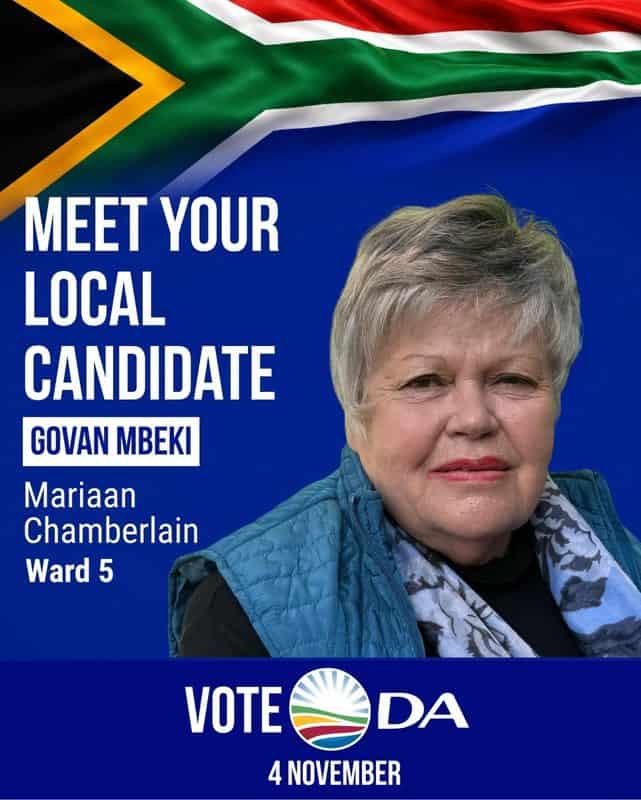
WARD 5
Mariaan Chamberlain (DA)
Q: What are the three biggest challenges currently facing your ward, and how will you address them?
A: Potholes, Service delivery, Street lights and water / Sewer
How to address it. First put pressure on the municipality to get a proper working BUDGET. See all accounts are / get paid. Each department gets an amount budgeted for to have a proper service / maintenance plan.
Q: How will you improve basic service delivery such as water, electricity, refuse removal and road maintenance?
A: We rely on Rand Water and Eskom for basic water and electricity. So, I will make sure they are paid first. I would want better communication on outages and maintenance, for informing residents upfront.
Should the DA win this municipality, I will suggest the privatising of refuse removal.
Roads: Cracks should be sealed in winter to prevent the formation of potholes, because water from summer rains and traffic equals potholes.
Sewerlines need rodding or lately, high pressure jetting. Maintenance is crucial.
Q: What specific plans do you have to improve community safety and reduce crime in the ward?
A: Have proper working streetlights. Solar preferably. Mobilise community to join CPF. Also once dogs are restless, investigate as to why.
Q: How will you ensure that residents are kept informed & involved in decisions affecting the community?
A: I already have a WhatsApp group as well as block groups.
Q: What will you do to support local businesses, informal traders and job creation in the ward?
A: Informal trades must operate from designated areas as well as have municipal approval and licenses.
Q: How will you improve conditions in informal settlements and underserved areas within the ward?
A: Informal settlements must have allocated land given by municipality. If not approved, they must be removed.
Q. What is your plan to address infrastructure problems such as potholes, sewage spills, streetlights and illegal dumping?
A: Residents pay a monthly fee. Money needs to be allocated to different services.
Q: How will you ensure municipal funds allocated to the ward are spent transparently and effectively?
A: All wards have the same challenges. All money cannot be spent in one ward only.
Q: What programmes or initiatives would you introduce for young people, women and vulnerable residents in the community?
A: Support NPO’s. Programmes to help them to become self-sustainable.
Q: If elected, how will residents be able to hold you accountable and measure your progress over the next five years?
A: I will continue with asking my private contractors to keep on assisting me when needed, accompanying residents to the municipal offices to help with their queries; and to be available 24/7!
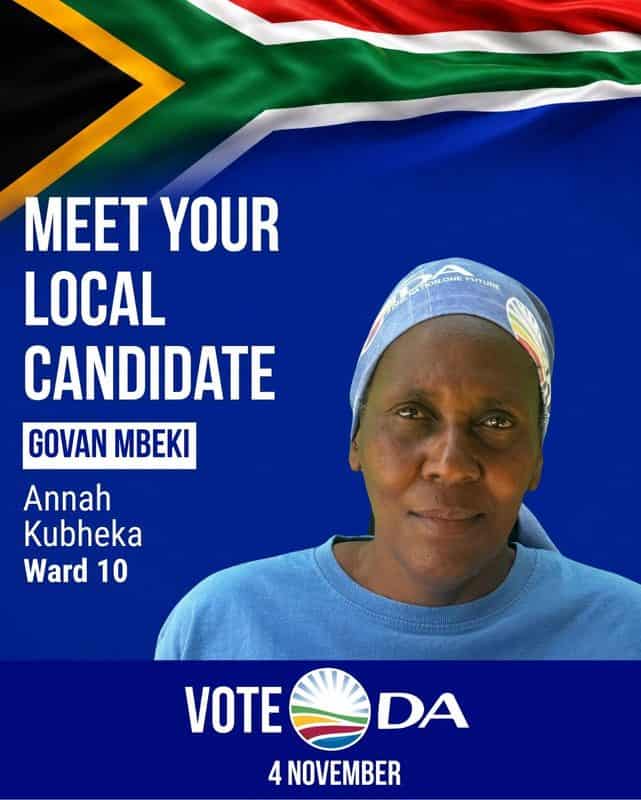
WARD 10
Anna Khubeka (DA)
Q: How will you improve basic services delivery such as water electricity refuse removal and road maintenance?
A: I will improve basic service delivery by working closely with the municipality to ensure water leaks, electricity faults, potholes, and waste collection problems are reported and resolved quickly. I will regularly engage with residents, monitor service delivery issues, and hold departments accountable for timely maintenance and repairs. My focus is to ensure reliable services, cleaner communities, and safer roads for all residents.
Q: What are the three biggest challenges currently facing your ward, and how will you address?
A: The three biggest challenges in our ward are poor service delivery, unemployment, and crime.
I will address these by working with the municipality to improve basic services, promoting job and skills development opportunities, and strengthening community safety partnerships with law enforcement and residents.
Q: What specific plans do you have to improve community safety and reduce crime in the ward?
A: I will work with SAPS, Community Policing Forums, and residents to improve safety, support better street lighting, and encourage crime reporting. I will also promote youth development programmes to help prevent crime and build a safer community.
Q: How will you ensure that residents are kept informed and involved in decision affected community?
A: I will ensure residents are informed and involved through regular community meetings, door-to-door engagement, and communication platforms where they can share concerns, ideas, and feedback on decisions affecting the community.
Q: What will you do to support local businesses informal trades and jobs creation in the ward?
A: I will support local businesses and informal traders, promote skills development, and work with stakeholders to create more job opportunities in the ward.
Q: How will you improve conditions in informal settlements and undeserved areas within the ward?
A: I will work to improve access to basic services such as water, sanitation, electricity, roads, and waste removal in informal settlements and underserved areas. I will also engage residents regularly to identify priorities and advocate for fair service delivery and infrastructure development.
Q: What is your plan to address infrastructure problems such as potholes sewage spills streetlight and illegal dumping?
A: My plan is to ensure regular maintenance of roads, repair potholes promptly, fix sewage spills quickly, improve street lighting, and work with the municipality and community to prevent illegal dumping through clean-up campaigns and stronger enforcement.
Q: How will ensure municipality funds allocated to the ward are spent transparently and effectively?
A: I will promote transparency by ensuring ward budgets and spending reports are shared with residents, monitoring projects regularly, and encouraging community oversight. Every cent allocated to the ward should be used responsibly to improve services and meet community needs.
Q: What programmes or initiatives would you introduce for young people and woman and vulnerable residents in the community?
A: I would introduce youth skills training, job-readiness and entrepreneurship programmes, support groups and development opportunities for women, and strengthen assistance for vulnerable residents through food support, social services referrals, and community care initiatives. My focus would be on creating opportunities, promoting safety, and improving access to essential services.
Q: If elected how will residents be able to hold you accountable and measure your progress over the next five years?
A: Residents will be able to hold me accountable through regular community meetings, public progress reports, and open communication channels. I will provide updates on commitments made, report on achievements and challenges, and ensure that my performance can be measured against clear goals and community priorities.
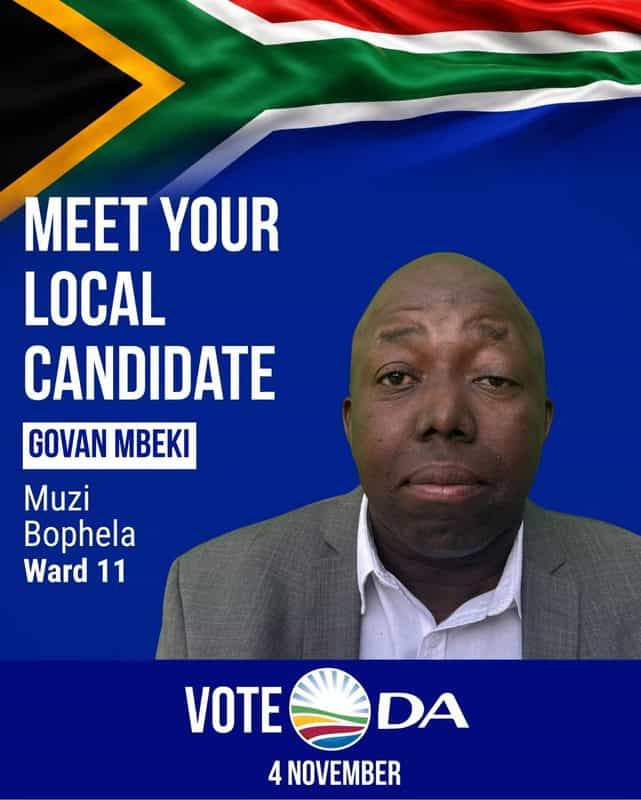
WARD 11
Muzi Bophela (DA)
Q: What are the three biggest challenges currently facing your ward, and how will you address them?
Sewage spillages: I will request full sewer line audit for Ward 11, push Technical Services to clean the main lines with Jet machines and create a fast response line WhatsApp line for residence to report spillages with photo and location.
Slow Refuse collections: I will fight for the fixed collection roster to be published for Ward 11 – e.g., every Monday if the truck fails , I will escalate on the same day to the manager . We will also place a temporary skip bins at the know hotspot and run monthly clean-ups with EPWP workers.
Indigent application not approved: I will hold an indigent Drive in the Ward , help residence check their documents before submission, follow up with finance Department on every application.
Q: How will you improve basic service delivery such as water, electricity, refuse removal and road maintenance?
Water
- Push Council to repair the main leakages in Ward 11 first we lose more than 40 % of water through leaks
- Request a leak reporting WhatsApp group for Ward 11with quick response from Technician
Electricity
- Request regular maintenance of transformers and street light boxes to prevent cable theft.
- Create a street light register – every faulty light reported and tracked until fixed.
Refuse removal
- Demand that waste collection schedule is published and followed e.g. Every Tuesday and Friday.
- Organise monthly community clean-up Road campaigns with EPWP workers.
Road Maintenance
Prioritise main taxi routes and school roads first. Push for the side drains to be cleared before any rainy season to prevent road damages
Q: What specific plans do you have to improve community safety and reduce crime in the ward?
A: I will do the full audit of all non-working street light in Ward 11 and submit to the Technical Services. Criminals works in the dark. Ensure every section in Ward 11 has a functional street committee.
Link all the CPF WhatsApp group to SAPS and my office for quick response .
Q: How will you ensure that residents are kept informed and involved in decisions affecting the community?
A: Every first Saturday open meeting I will present :
-What was budgeted for Ward 11
-What was done
-What was still pending.
- An official Ward 11 information group -only for municipality notices : water cuts , job opportunities , indigent forms , IDP meetings
- Not everyone has a smartphone. I will appoint a volunteer block representative for every 50 houses to share information with elders.
Q: What will you do to support local businesses, informal traders and job creation in the ward?
- Stop the harassment of informal traders I will push municipality to provide proper trading stalls with shade , Water and Toilet – Especially at the busy corners
- Create a Ward 11 Business Register – so when the municipality has work, our own plumbers , builders and caterers get a chance first.
- Every tender, EPWP post and learnership coming from Ward 11 WhatsApp group – no secret hiring.
Q: How will you improve conditions in informal settlements and underserved areas within the ward?
A: Ensure at least 1working communal tap per 100 households, and JoJo tank are filled regularly. Ensure chemicals toilets are cleaned twice a week , not once a month. Provide skip bins and weekly collections so children don’t play on the rubbish.
Q: What is your plan to address infrastructure problems such as potholes, sewage spills, streetlights and illegal dumping?
A: Potholes: I will conduct a full potholes audit in Ward 11 with photos and GPS locations. I will submit it to Roads and Push for patching of the main streets first, then the internal streets. I will also request that the municipality uses local youth from Ward 11 for Pothole patching through EPWP
Sewer Spillage : This is a health emergency . I will push for unblocking of the main sewer lines with jet machines, and for 48 Hours turnaround time for any spill reported . I will create a dedicated Ward 11 Sewer WhatsApp line where residents send a photo and location.
Illegal Dumping : People dump because collection is slow . My Plan is:
Place the skip bin at all known hotspots.
Demand a Fixed refuse collection day and publish it.
Fine repeat offenders by working with Law Enforcement.
Q: How will you ensure municipal funds allocated to the ward are spent transparently and effectively?
- Open Budget Reporting : Every time the municipality allocates money for Ward 11 – whether it is for roads, high mast light or CWP – I will call a meeting and share :
- How much was allocated
- What is for
- Who is the contractor
- When the work will start and end
- Evidence-based feedback :
For every project , I will post before , during and after photos on the Ward 11 WhatsApp group .No hiding.
Q: What programmes or initiatives would you introduce for young people, women and vulnerable residents in the community?
- For Youth
- Ward 11 Skills Job Desk : Every Tuesday help the youth with CV’s , online applications, SARS, CSD, and NYDA funding Forms – for free.
For Women
- Women in Business Support : Help women with stockvels , Catering Sewing and child Care businesses to register as coorporative and access to SEDA / NYDA funding
For Vulnerable Residents
- Food Security : Support the woman to start backyard gardens with seedlings from Dept. of Agriculture.
- Adopt a Family : Link vulnerable families with local church and NGO’s for Food Parcels and school uniforms .
Q: If elected, how will residents be able to hold you accountable and measure your progress over the next five years?
- Within my first 100 days I call a full community meeting to present
- What I found in a Ward
- What I have reported to Council
- What quick Win we have achieved.
- Every 3 months , I will present a simple 1 page scorecard on the WhatsApp i.e What promise , What I did , What is pending.
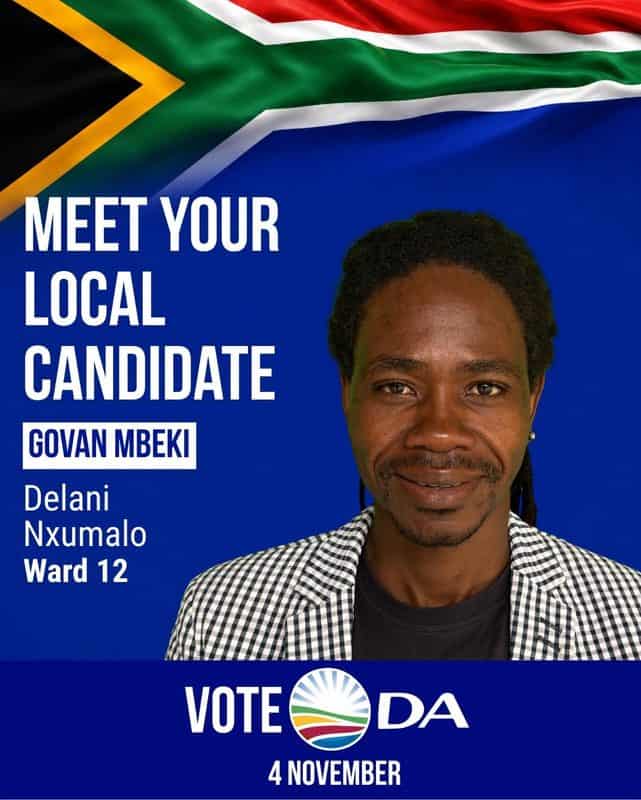
WARD 12
Delani Nxumalo (DA)
Q: What are the three biggest challenges currently facing your ward, and how will you address them?
A: Sewage, streetlight, and electricity issues. I will make sure that I report the issues related to these challenges and hold the municipality accountable for delivering these services.
Q: How will you improve service delivery such as water, electricity, refuse removal & road maintenance?
A: It is to work closely with the residents, report those lack of services and do follow-ups when there is a problem under these departments.
Q: What specific plans do you have to improve community safety & reduce crime in the ward?
A: My plans are to work with the community and law enforcement, improve streetlights, and have a private way to report the crime and make sure those criminals remain in prison.
Q: How will you ensure that residents are kept informed & involved in decisions affecting the community?
A: Holding regular community meetings, having the best way to communicate in the ward WhatsApp group, giving the community the chance to express themselves in meetings, sharing the municipal plans.
Q: What will you do to support local businesses, informal traders & job creation in the ward?
A: Make sure that informal traders have properly managed trading spaces, give information about skills development under the municipality, connect the residents with job seekers.
Q: How will you improve conditions in informal settlements & underserved areas within the ward?
A: Make sure that residents have clean water, sanitation plans for refuse removal, having meetings with urgent needs on service delivery problems.
Q: What is your plan to address infrastructure problems such as potholes, sewer spills, streetlights and illegal dumping?
A: Know where the potholes are, report to the municipality and do follow-ups until repairs, push the maintenance on sewer spills, identify and report damaged streetlights, improving the waste collection will make no illegal dumping, inform the residents on time if there is a breakdown under the waste management department to keep the waste after.
Q: How will you ensure municipal funds allocated to the ward are spent transparently & effectively?
A: Community must know how all ward projects are [being] monitored and those projects and spending. Report misuse of the funds and make sure I do oversight on ward projects. Report about the progress to the community.
Q: What programme or initiatives would you introduce for young people, women & vulnerable residents in the community?
A: This day talents can put food on the table. I will introduce sports activities, arts for the youth and invite people to access them, inform and help the vulnerable people [access] available government support.
Q: If elected, how will residents be able to hold you accountable & measure your progress over the next five years?
A: Provide regular reports to the community about progress I made, allow residents to ask questions about the progress of the previous issues, having clear targets in solving issues and have the quarterly meetings.
WARD 13
Tabang Moitsi (DA)
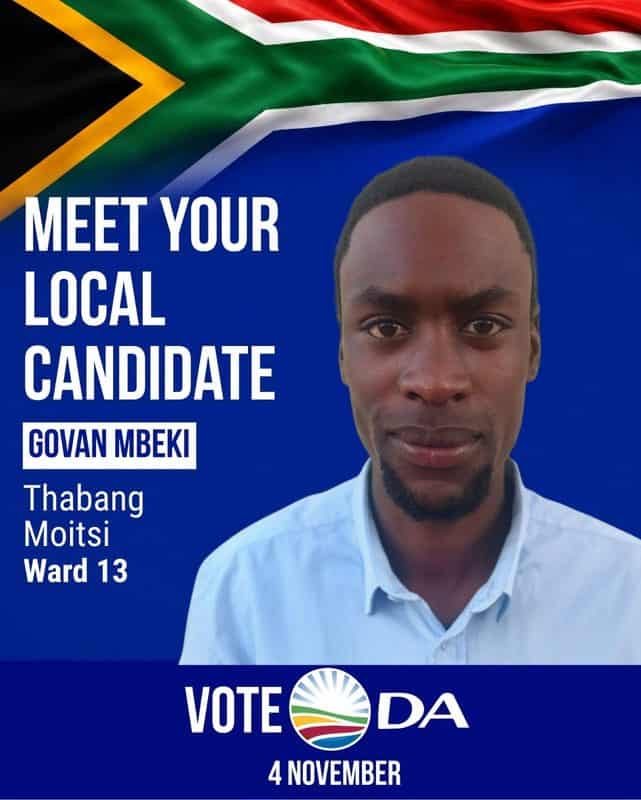
Q: What are the three biggest challenges currently facing your ward & how will you address them?
A: Sewage, streetlight, and electricity issues. I will make sure that I report the issues related to these challenges and hold the municipality accountable for delivering these services.
Q. How will you improve service delivery such as water, electricity, refuse removal & road maintenance?
A: It is to work closely with the residents, report those lack of services and do follow-ups when there is a problem under these departments.
Q.What specific plans do you have to improve community safety & reduce crime in the ward?
A: My plans are to work with the community and law enforcement, improve streetlights, and have a private way to report the crime and make sure those criminals remain in prison.
Q: How will you ensure that residents are kept informed & involved in decisions affecting the community?
A: Holding regular community meetings, having the best way to communicate in the ward WhatsApp group, giving the community the chance to express themselves in meetings, sharing the municipal plans.
Q. What will you do to support local businesses, informal traders & job creation in the ward?
A: Make sure that informal traders have properly managed trading spaces, give information about skills development under the municipality, connect the residents with job seekers.
Q: How will you improve conditions in informal settlements & underserved areas within the ward?
A: Make sure that residents have clean water, sanitation plans for refuse removal, having meetings with urgent needs on service delivery problems.
Q: What is your plan to address infrastructure problems such as potholes, sewer spills, streetlights and illegal dumping?
A: Know where the potholes are, report to the municipality and do follow-ups until repairs, push the maintenance on sewer spills, identify and report damaged streetlights, improving the waste collection will make no illegal dumping, inform the residents on time if there is a breakdown under the waste management department to keep the waste after.
Q: How will you ensure municipal funds allocated to the ward are spent transparently & effectively?
A: Community must know how all ward projects are [being] monitored and those projects and spending. Report misuse of the funds and make sure I do oversight on ward projects. Report about the progress to the community.
Q: What programme or initiatives would you introduce for young people, women & vulnerable residents in the community?
A: This day talents can put food on the table. I will introduce sports activities, arts for the youth and invite people to access them, inform and help the vulnerable people [access] available government support.
Q: If elected, how will residents be able to hold you accountable & measure your progress over the next five years?
A: Provide regular reports to the community about progress I made, allow residents to ask questions about the progress of the previous issues, having clear targets in solving issues and have quarterly meetings.
WARD 15
Desire Krantz (DA)
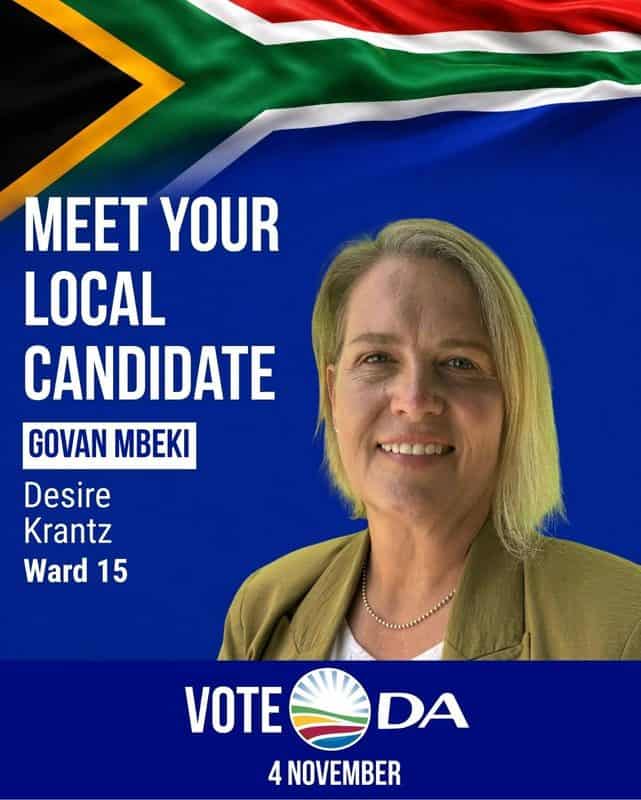
Q: What are the three biggest challenges currently facing your ward, and how will you address them?
A: Water , Potholes and Electricity Vandalism – a councillor cannot personally repair every pipe, road or electrical cable. My role is to represent residents, monitor the administration, interrogate performance, participate in the IDP and budget process, and make sure problems do not disappear into a municipal complaint system.
Q: How will you improve basic service delivery such as water, electricity, refuse removal and road maintenance?
Water – move from crisis response to water security
Establish a Ward Water Action Plan identifying recurring problem areas, vulnerable households, reservoirs, pipelines and pressure-related problems.
Demand a clear contingency plan for extended outages, including properly managed alternative water supplies.
Monitor reservoir levels, pump stations, bulk supply and municipal response times. Escalate persistent failures through Council and the relevant provincial/national structures.
Push for maintenance and capital investment in ageing infrastructure rather than relying on tankers as a permanent solution.
Electricity – protect reliability and infrastructure
Push for preventative maintenance rather than waiting for infrastructure to fail.
Demand transparent reporting on major electrical faults and restoration times.
Address illegal connections and infrastructure vandalism while supporting practical solutions for affected communities.
Refuse removal – reliable collection and cleaner communities
Establish a weekly ward service schedule and monitor whether collections actually take place.
Identify illegal dumping hotspots and develop targeted interventions with municipal departments and community organisations.
Roads and stormwater – preventative maintenance
Create a ward pothole and road-condition register, prioritising dangerous roads rather than dealing with complaints randomly.
Push for preventative road maintenance and proper stormwater drainage, because fixing the road without addressing water damage simply recreates the problem.
Monitor road-repair projects to ensure that contractors deliver work to the required standard.
Q: What specific plans do you have to improve community safety and reduce crime in the ward?
Community safety must be approached as a partnership between residents, SAPS, the municipality, neighbourhood structures, businesses, schools and community organisations. As Ward Councillor, my focus will be on making our ward safer through visibility, prevention, rapid reporting and accountability.
I will work to establish or strengthen a Ward Safety Forum bringing together SAPS, CPF structures, neighbourhood watches, security companies, community leaders, schools, businesses and residents. Regular meetings will identify crime hotspots, emerging threats and practical interventions.
Identify and address crime hotspots
We need to know where crime is occurring and why. I will maintain a ward-level register of reported safety concerns, including areas affected by housebreaking, theft, vandalism, illegal dumping, unsafe public spaces and other criminal activity.
Improve lighting and municipal infrastructure
Dark streets, broken streetlights, overgrown public areas and neglected spaces can create opportunities for crime. I will ensure that streetlight faults, high-mast lighting, overgrown municipal properties and other environmental safety issues are reported and followed up until resolved.
Support neighbourhood watches and community patrols
I will support properly structured and legally compliant neighbourhood-watch initiatives and work with SAPS and the CPF to improve communication between residents and law-enforcement structures. Community patrols can provide an important additional layer of visibility, particularly in areas where police resources are stretched.
My goal is to build a ward where residents are connected, public spaces are maintained, law enforcement is visible and problems are acted upon before they become crises.
Q: How will you ensure that residents are kept informed and involved in decisions affecting the community?
A: Ward Councillor must be accessible, visible and accountable. Residents should not hear about decisions affecting their homes, rates, water, electricity, roads or community facilities only after those decisions have already been made.
My approach will be based on regular communication, consultation and feedback.
Establish reliable ward communication channels
I will maintain accessible ward communication channels, including WhatsApp, community groups and regular public updates. Important municipal notices, service interruptions, Council decisions and community information will be communicated in clear and understandable language.
Regular Ward Meetings
I will hold regular ward meetings in accessible locations and, where possible, at different times to accommodate residents who work during normal hours. These meetings will provide an opportunity for residents to raise concerns, receive updates and participate in identifying priorities for the ward.
Q: What will you do to support local businesses, informal traders and job creation in the ward?
Local businesses are the backbone of our community. They create employment, provide essential services and keep money circulating within the local economy. As Ward Councillor, I will work to create an environment where small businesses can grow, informal traders can operate safely and legally, and residents have greater access to employment and economic opportunities.
I will establish regular engagement with local businesses, entrepreneurs, informal traders, business associations and community organisations. This will give local businesses a direct platform to raise concerns about municipal services, licensing, infrastructure, safety and other barriers to doing business.
Small businesses often struggle with municipal processes and information. I will advocate for better communication around permits, trading requirements, municipal applications, tenders, supplier registration and available support programmes.
Q: How will you improve conditions in informal settlements and underserved areas within the ward?
Ensure access to basic services
I will work with the municipality to identify gaps in water, sanitation, refuse removal, electricity, roads, stormwater drainage and street lighting in underserved areas.
Where permanent infrastructure cannot immediately be provided, residents must still have access to safe and reliable interim services while longer-term solutions are developed. I will work with residents to identify households and areas experiencing the greatest service-delivery challenges. This will allow us to prioritise urgent needs and provide Council with accurate information when infrastructure and housing programmes are planned.
Push for proper infrastructure planning
Informal settlements cannot simply be managed indefinitely through temporary measures. I will advocate for proper planning for roads, drainage, sanitation, water and electricity, together with realistic timelines for upgrading areas where this is possible.
Q: What is your plan to address infrastructure problems such as potholes, sewage spills, streetlights and illegal dumping?
A: My approach will be to move from a reactive complaint system to proactive infrastructure management. Residents should not have to report the same pothole, sewage spill or broken streetlight repeatedly before something is done.
As Ward Councillor, I will establish a Ward Infrastructure Action Register that records problems, assigns responsibility, tracks progress and provides feedback to residents.
Q: How will you ensure municipal funds allocated to the ward are spent transparently and effectively?
Monitor projects on the ground
I will conduct regular site visits and engage directly with residents to verify whether projects are progressing as reported.
For infrastructure projects, this means checking that the work exists on the ground and that it is completed to an acceptable standard—not simply accepting paperwork as proof of delivery.
I will use the appropriate Council structures and oversight mechanisms to question delays, deviations, poor performance and expenditure that does not achieve the intended outcome.
The MFMA places strong emphasis on sound financial management and accountability, while councillors have an oversight role in monitoring budget implementation and service delivery.
Q: What programmes or initiatives would you introduce for young people, women and vulnerable residents in the community?
A: I believe a strong community is one where young people have opportunities, women have access to economic participation and vulnerable residents are not left behind.
As ward councillor, my role would be to connect residents with existing municipal, provincial, national, private-sector and community resources, while advocating for practical ward-level initiatives.
Q: If elected, how will residents be able to hold you accountable and measure your progress over the next five years?
“What have you done, what has been achieved, and what remains outstanding?”
I will therefore make accountability a continuous process throughout the five-year term, not something that happens only during elections.
What residents raised → What I took to Council → What action was taken → What was achieved → What remains outstanding.
Where the municipality has failed to act, I will say so and explain what further action I am taking.
WARD 17
Jaco (Jakes) Tesner (DA)
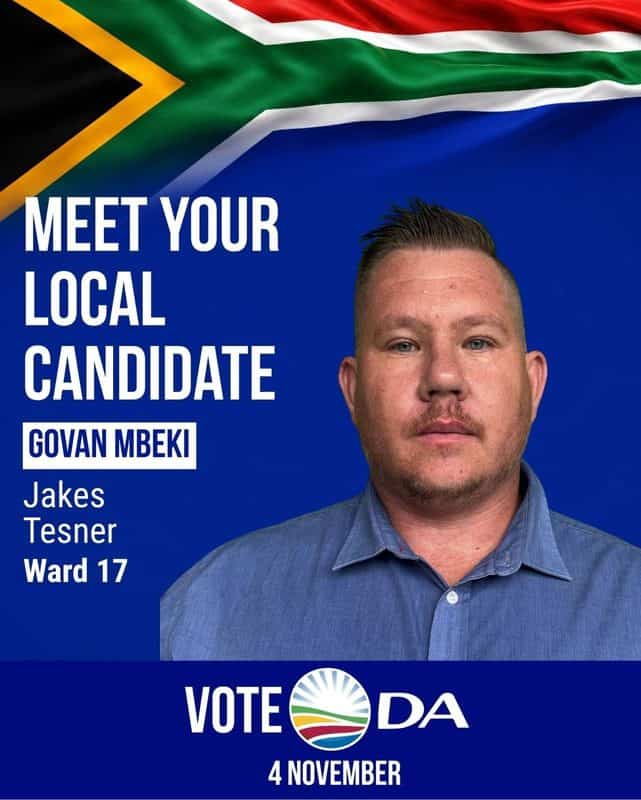
Q: What are the three biggest challenges currently facing your ward, and how will you address them?
A: The main challenges are basic service delivery, ageing infrastructure and community safety. I will keep a clear issue
register, report problems to the correct departments, follow up regularly and give residents feedback until matters are
resolved.
Q: How will you improve basic service delivery such as water, electricity, refuse removal and road maintenance?
A: By monitoring problem areas, reporting faults quickly, following up with municipal departments and pushing for proper
maintenance plans. I will also communicate planned outages, delays and progress to residents.
Q: What specific plans do you have to improve community safety and reduce crime in the ward?
A: Strengthen cooperation between residents, SAPS, CPF, security companies and the municipality; support community
patrols; improve street lighting and encourage camera/security initiatives where communities choose to participate.
Q: How will you ensure that residents are kept informed and involved in decisions affecting the community?
A: Regular ward meetings, WhatsApp/community communication, clear feedback on reported issues and active ward
committee participation. Residents must know what was reported, who is responsible and what progress has been
made.
Q: What will you do to support local businesses, informal traders and job creation in the ward?
A: Promote fair access to municipal and local economic opportunities, connect businesses with available opportunities and
encourage local companies and projects to use local skills and suppliers where possible.
Q: How will you improve conditions in informal settlements and underserved areas within the ward?
A: Identify priority needs with residents and ward structures, then push for basic services, safer living conditions,
infrastructure maintenance and inclusion in municipal planning and future projects.
Q: What is your plan to address infrastructure problems such as potholes, sewage spills, streetlights and
illegal dumping?
A: Maintain a tracked list of problem locations, submit reports with photographs and details, escalate unresolved matters
and monitor contractors and municipal teams. Priority will be given to health, safety and access problems.
Q: How will you ensure municipal funds allocated to the ward are spent transparently and effectively?
A: I will use ward committees and public participation processes to identify priorities, monitor implementation and provide
feedback. I will also use council oversight processes to question delays, poor performance or irregular spending. Ward
councillors link residents with municipal government and monitor IDP implementation; they do not personally control the
municipal budget.
Q: What programmes or initiatives would you introduce for young people, women and vulnerable residents
in the community?
A: Support skills and job-readiness programmes, local sports and youth activities, small-business opportunities and
partnerships with NGOs and community organisations that assist vulnerable residents.
Q: If elected, how will residents be able to hold you accountable and measure your progress over the next
five years?
A: I will provide regular feedback meetings and updates, keep a visible list of major ward issues and report progress
against priorities. Residents must be able to ask questions, raise concerns and see what has been achieved and what
still needs attention.
WARD 18
Adri Marais (DA)
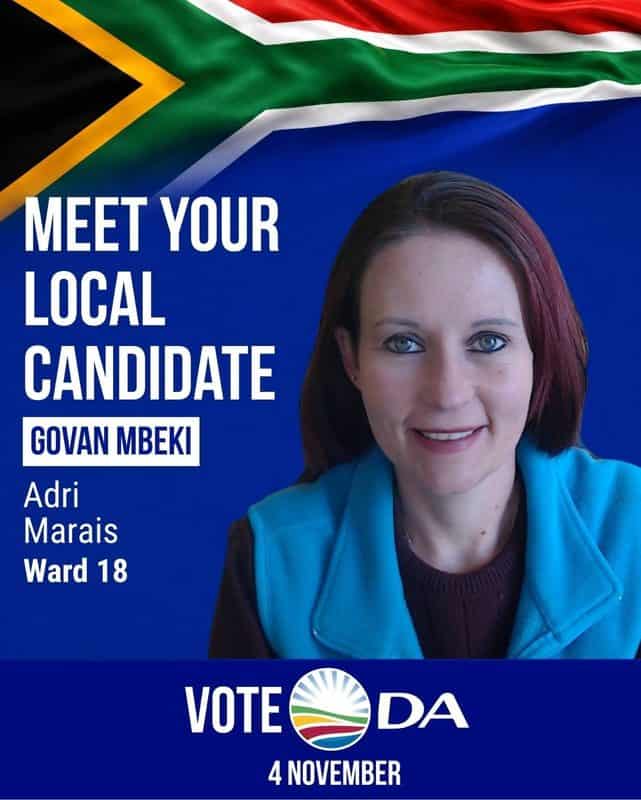
Q: What are the three biggest challenges currently facing your ward, and how will you address them?
A: Reliable water and electricity, deteriorating roads and streetlights, and community safety. I will maintain a register of reported problems, prioritise urgent risks and repeatedly follow up with the responsible departments. Residents will receive updates on what has been reported, what has been resolved and where delays require further escalation.
Q: How will you improve basic service delivery such as water, electricity, refuse removal and road maintenance?
A: I will push for preventative maintenance, clear refuse collection schedules and better communication during service interruptions. I will track recurring faults and missed collections so that persistent problems receive attention beyond temporary repairs. Regular ward inspections and residents’ reports will guide my requests for repairs and budget priorities.
Q: What specific plans do you have to improve community safety and reduce crime in the ward?
A: I will strengthen cooperation between residents, SAPS, the Community Policing Forum and local security providers. My priorities will include working streetlights, identifying crime hotspots, addressing overgrown public spaces and supporting lawful community safety initiatives. I will also encourage partnerships to protect substations and other essential infrastructure against theft and vandalism. – Currently together with TEKSA Alams we are running a Sponsorship to install camaras at the substations which they will monitor 24/7 the running cost is R17 000 per substation.
Q: How will you ensure that residents are kept informed and involved in decisions affecting the community?
A: I will use regular WhatsApp updates, community meetings and accessible contact channels to keep residents informed. Residents must have opportunities to raise concerns and contribute to ward priorities and municipal planning. I will also make provision for residents who do not use social media, and report back honestly—even when a matter remains unresolved.
Q: What will you do to support local businesses, informal traders and job creation in the ward?
A: I will engage with local businesses and informal traders to understand the practical obstacles they face, including unreliable services and municipal application delays. I will help escalate these issues and share verified training, funding and business support opportunities. I will encourage partnerships with employers and training institutions to connect residents with skills development, apprenticeships and employment opportunities.
Q: How will you improve conditions in informal settlements and underserved areas within the ward?
A: I will engage directly with residents in underserved areas to identify and document their most urgent needs. I will advocate for safe water, sanitation, refuse removal, lighting and emergency access, and push for these needs to be reflected in municipal plans and budgets. Where improvements depend on land or housing processes, I will seek clear information and report back on progress.
Q: What is your plan to address infrastructure problems such as potholes, sewage spills, streetlights and illegal dumping?
A: I will maintain a priority list recording each problem’s location, reference number and status. Sewage spills and immediate safety hazards will receive urgent escalation, while recurring potholes and infrastructure failures will be raised for lasting repairs. I will push for a streetlight repair programs reliable waste collection and action against illegal dumping, supported by community education and clean-up partnerships.
Q: How will you ensure municipal funds allocated to the ward are spent transparently and effectively?
A: I will scrutinise municipal budgets and projects affecting Ward 18, ask questions about costs and delays, and monitor whether reported work has actually been completed. I will share available project and budget information with residents and raise suspected irregularities through the appropriate oversight channels. My role is to represent residents and exercise oversight; I will not personally control municipal funds or award contracts.
Q: What programmes or initiatives would you introduce for young people, women and vulnerable residents in the community?
A: I will seek partnerships to support CV preparation, job applications, digital skills, youth sport and community volunteering. I will help connect women with business support opportunities and appropriate services for those experiencing abuse. For elderly residents, people with disabilities and families in need, I will improve access to information, referrals and community support networks while respecting their dignity and privacy.
Q: If elected, how will residents be able to hold you accountable and measure your progress over the next five years?
A: Within my first 100 days, I will publish my contact channels and an initial ward action plan informed by residents’ priorities. I will provide quarterly progress reports and hold regular feedback meetings. Residents will be able to assess reported versus resolved service problems, outstanding escalations and progress on ward projects. Each year, I will review these commitments publicly, explain delays and update priorities with the community.
I cannot promise to solve every problem immediately, but I can commit to being accessible, following through and giving residents honest feedback.
WARD 19
Vera Mtsweni – Govan Mbeki Municipality Ratepayer`s Movement (GMMRM)
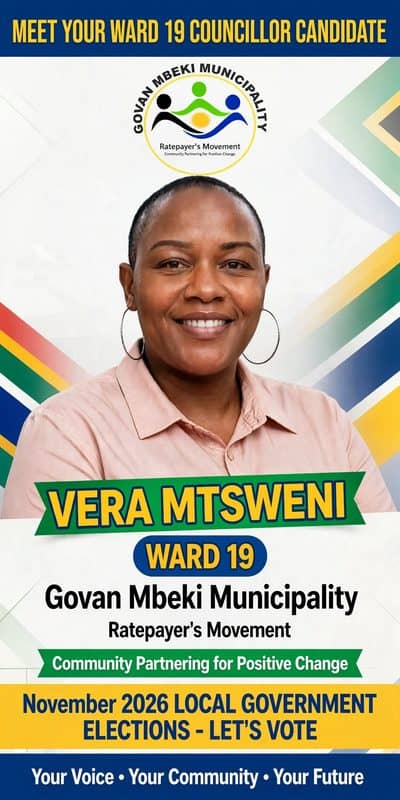
Q: What are the three biggest challenges currently facing your ward, and how will you address them?
Household Historic Municipal Debt: 100% closure all Household Historic Debt, where Municipal Accountholder(s), has or have subsequently deceased, for the conception of fresh municipal accounts, through present inhabitants, since debt is not inheritable or transferable. Prescription of all household debt older than 03 years, in accordance to the provisions of the Prescription Act 68 of 1969.
Blocking of the Prepaid Electricity Meters or Electricity cut of due to overdue municipal accounts or unpaid debt: No household shall be cut-off grid or power due to the above, since prepaid electricity is not consolidated on the municipal account. If there is a consolidated account, a written pre-termination notice (usually 14 days) detailing the arrears so to give households, business or institutions, a chance for them to dispute, pay in full or make payment arrangements. If such a notice is not handed over, the disconnection shall be treated and unlawful and illegal, unless the disconnection relates to illegal use of electricity or a matter of emergency or disaster.
Unemployment and Inequality: Attend to all matters related to unemployment inequality, to forester a culture where the public and private sectors should provide preferential sourcing of good, services and labour from permanent citizens of Govan Mbeki Municipality, including my ward.
Q: How will you improve basic service delivery such as water, electricity, refuse removal and road maintenance?
A: Ensure that the executive council including the administration upgrade aging infrastructure, as adopted per Municipal IDP & Budget Process Plans, such as fixing leaking pipes, reduce water non-revenue losses, and maintain electrical substations to prevent outages.
Prevent ordinary resident, unauthorised person, or private contractor without a valid job card or written permission from the municipality, to touch, open, alter, bypass, or connect to municipal infrastructure like water pipes, electrical wiring, meters, substations, or hydrants. Since unqualified or unauthorised personnel contributes towards accelerating aging or compromising our fragile public infrastructure, merely for private capital gains at the expense of society.
Enforce strict collection timelines for waste management and launch community recycling initiatives. On the municipal workforce, we must prioritise technical competence over political loyalty in municipal appointments.
Fight corruption, and implement strict financial controls and oversight mechanisms aligned to stop mismanagement, which leads to unfinished community projects.
Q: What specific plans do you have to improve community safety and reduce crime in the ward?
Establishment of street committees as neighbourhood watches, including a ward CPF structure partnering with SAPS Sector Policing to monitor daily activities in our ward. Hold regular meetings with residents to discuss local safety concerns. Close any unlicensed pawn brokers, unlicensed scrapyards since they contribute towards criminality.
Q: How will you ensure that residents are kept informed and involved in decisions affecting the community?
A: Hold constant community ward meetings at least once a month, to:
Share project news and decisions early using local websites, social media, and direct messages.
Provide simple ways for people to ask questions, share ideas and take any suggestions or mandate from community members.
Q: What will you do to support local businesses, informal traders and job creation in the ward?
1. Advocate for local business to gain access to markets, such as manufacturing, wholesale, retail, construction and services.
2. Work hand in hand with all institutions carrying a legislative mandate of providing financial support, business training and business development services.
3. The informal sector in my ward shall only be reserved for South African citizens, since informal traders are a vital source of income in a country facing persistent unemployment and inequality.
4. All informal traders in my ward shall be issued with designated trading by permits, and health certificates for food vendors.
5. For job creation, as a councillor I am standing to lobby private and public sectors to prioritise employment of community members who holds the responsibility of servicing their municipal accounts and that of maintaining the ward.
Q: How will you improve conditions in informal settlements and underserved areas within the ward?
Prevent any future land grabs. All legally recognised settlements shall be assessed for to determine their unique basic needs, to be prioritised on the Municipal IDP and Budget allocation.
Q: What is your plan to address infrastructure problems such as potholes, sewage spills, streetlights and illegal dumping?
Put pressure on the Executive Council and the Municipal Administration on attending the problems such as potholes and sewage spills.
Put pressure on the municipality to regular collect household waste and to create awareness on the negative effect of illegal dumping, where if non-compliance persist, fines and impounding shall be effected in accordance to the municipal bylaws.
Q: How will you ensure municipal funds allocated to the ward are spent transparently and effectively?
A. By being hands-on in monitoring municipal spending and to conduct oversight to ensure that the funds allocated are spend transparently and effectively.
Q: What programmes or initiatives would you introduce for young people, women and vulnerable residents in the community?
For vulnerable residents – Set up ward outreach initiatives actively assist elderly, disabled, or child-headed households in navigating government institutions to secure social grants, specialized care, and human settlement subsidies.
Programmes for Young People- Youth unemployment rate (official) 15-34 is sited at 34.4%, where it amplifies the urgency for job creation, skills development and entrepreneurship promotion. Without adequate interventions, the municipality risks deepening cycles of unemployment and inequality. Education emerges as a critical lever for change. With such a large proportion of young residents, investment in schooling, vocational training, and tertiary access is essential to align skills with local economic needs.
Crime and safety also remain pressing concerns, as youth unemployment often correlates with higher crime rates. As a ward councillor, I aim to equip youth with decision-making skills and confidence, allowing them to create positive change in the community. Activities like leadership training, mentorship, and creative self-expression significantly enhance teens’ confidence, resilience, and sense of purpose. Community – engagement in volunteer programmes and advocacy training fosters a sense of social responsibility and active citizenship among young people.
Women Empowerment – As a ward councillor, I aim to drive transformative initiatives that expand access to education, economic opportunity, entrepreneurship, and leadership, aimed for the empowerment of women, through strategic partnerships, targeted programmes to addresses the systemic barriers that continue to limit women’s full participation in society.
As a ward councillor, my aim is to facilitate effective skills development and training for women, empower innovative enterprises led by woman, and develop comprehensive leadership capabilities, advocate for the holistic welfare of women.
Q: If elected, how will residents be able to hold you accountable and measure your progress over the next five years?
Through regular or monthly community meetings to provide progress reports on the needs of community members.
Thomas Mazibuko (DA)
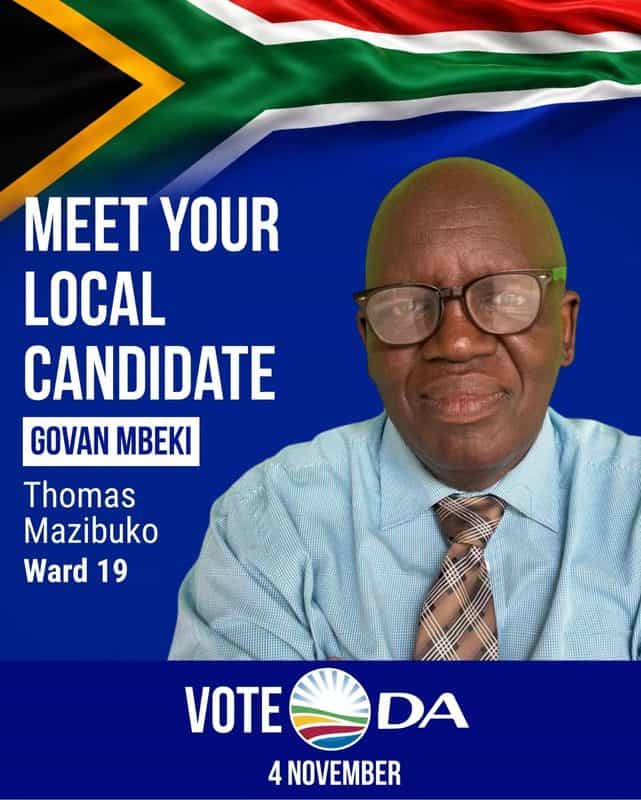
Q: What are the three biggest challenges currently facing your ward, and how will you address them?
Challenges 1 – Incomplete Allan Makhunga road since 2019, (2) constantly blockage sewer spillages and (3) unstable water supply.
How to address them – Firstly people must have a say in matters affecting them. As ward 19 community representative it is my duty to ensure that all 3 challenges are well captured on IDP so that they can be approved by council and then budgeted.
– It is my responsibility to empower myself by understanding pieces of legislations I need to know to effectively carryout my responsibilities above the expectation, this pieces of legislations are not limited to the RSA Constitution, Municipal Finance Act, Municipal Structures Act and Municipal Systems Act.
– I will advocate maintenance of efficient and effective value for money operations in council and promote good governance that is serving the needs of the people.
Q: How will you improve basic service delivery such as water, electricity, refuse removal and road maintenance?
A. I will educate and encourage ward 19 residents to pay for services rendered to them to improve municipal revenue collection, I will play a vital role in budgeting, implementation and monitoring that the service delivered are in line with what Govan Mbeki budgeted for and that they are addressing the needs of ward 19
– I will need to safeguard and ensure that there are proper controls in place to protect the revenue, assets and capital of the municipality against improper use, loss or theft, It will be my duty to enforce accountability and report to ward 19 residents on how public funds are used. Financial records must reflect of transactions in a manner that enables the council and ward 19 residents what is being done in the municipality at all times
– Road maintenance – The current state of Govan Mbeki (unfunded budget) as is now, I will advocate the usage of gravel or paving (inner ward 19 streets in particular) instead of tar roads to allow financial stability and continuously service delivery delivery at the same time
Q: What specific plans do you have to improve community safety and reduce crime in the ward?
A: I will advocate a none political influenced community and SAPS joint venture and further suggesting that at least 1 police officer be allocated to ward 19 residents to work hand in clove.
Q: How will you ensure that residents are kept informed and involved in decisions affecting the community?
A: It is extremely important for me to ensure, encourage and foster ward 19 residents to participation in preparation, implementation and review of ward IDP and be part of decision making relating to municipal services and work together with Ward 19 committee.
Q: What will you do to support local businesses, informal traders and job creation in the ward?
A: It my duty to understand and implement Govan Mbeki Local Economic Development Programme to support and fairly benefit qualifying Ward 19 SME’S.
Q: How will you improve conditions in informal settlements and underserved areas within the ward?
A: Ward 19 planning and communication especially spatial plan is key and taking account laws including RSA Constitution (human rights), regulations, municipal by-laws in relating to human settlement policies and procedures.
Q: What is your plan to address infrastructure problems such as potholes, sewage spills, streetlights and illegal dumping?
A: I will ensure that I push for a 3 year budget plan, monitor monthly and yearly financial reports including Auditor General audited statements to ensure that we are heading to the correct direction.
Q: How will you ensure municipal funds allocated to the ward are spent transparently and effectively?
A: As Ward 19 representative I must know all projects within the ward, and ensure that a Steering Committee and CLO is in place to oversee a formal implementation plan highlighting all the tasks to be done to ensure compliance with legislation.
I must access Ward 19 information, monthly reports supplied to council by Govan Mbeki Municipality and regular conduct oversight on all ward 19 projects.
Q: What programmes or initiatives would you introduce for young people, women and vulnerable residents in the community?
Response – Women and vulnerable residence – I will apply and secure a safe piece of land for agricultural purposes eg gardens and building for handwork. I will also ensure that health services are easily accessible in construction with the department of health advisors.
Q: If elected, how will residents be able to hold you accountable and measure your progress over the next five years?
A: Ward 19 residents will be part and parcel of my 5 years term in council, I will be hold accountable my ability to successful implementation their needs, ensure transparency in decision making and ethical behaviour and code of conduct for councillors will form part of accountability.
WARD 21
Fiona Pelman (DA)
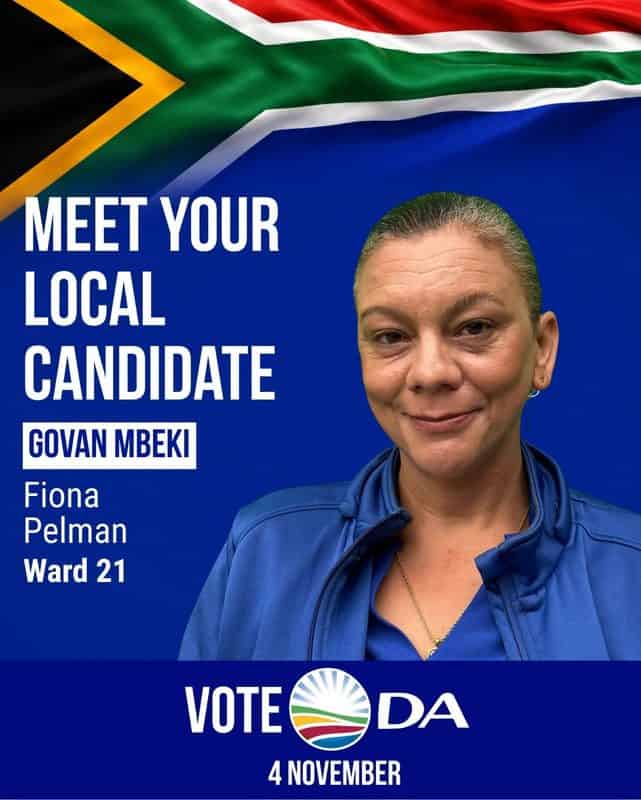
As the current Ward 21 councillor, I have had the privilege of serving this community, understanding its challenges and representing residents in council. I am standing for re-election to continue this work and pursue the improvements our community needs.
Q: What are the three biggest challenges currently facing your ward, and how will you address them?
A: The three biggest challenges facing Ward 21 are unreliable basic service delivery, deteriorating infrastructure and the lack of accountability within the municipality.
Residents continue to experience water interruptions, inconsistent refuse removal, deteriorating roads and delays in infrastructure projects. The Extension 22 reservoir is one example of an important project that has experienced prolonged delays.
If the DA takes control of Govan Mbeki Municipality, I will advocate for these challenges to be addressed through properly funded maintenance programmes, improved financial management, competent municipal administration and clear service delivery targets.
If we remain in opposition, I will continue using every available council oversight mechanism to hold the administration accountable, demand answers and pursue the implementation of approved projects.
Regardless of the election outcome, I will continue representing residents and ensuring that their concerns are formally brought before the municipality.
Q: How will you improve basic service delivery such as water, electricity, refuse removal and road maintenance?
A: Reliable basic services are not a luxury. They are essential to the daily lives of residents and the functioning of our local economy.
Under a DA-led municipality, I will advocate for preventative maintenance programmes, properly resourced service delivery departments, reliable refuse removal schedules and the prioritisation of critical water, electricity and road infrastructure.
I will also advocate for the completion and commissioning of the Extension 22 reservoir, improved water infrastructure management and better communication during planned and unplanned service interruptions.
If the DA remains in opposition, I will continue monitoring service delivery, reporting failures, following up with the responsible departments and using council questions and motions to pursue improvements.
I will continue providing residents with regular updates on water supply, electricity interruptions, refuse removal and other municipal matters.
My responsibility as a ward councillor is to ensure that residents’ service delivery concerns are heard, followed up and not simply forgotten.
Q: What specific plans do you have to improve community safety and reduce crime in the ward?
A: Community safety requires cooperation between SAPS, community policing structures, private security providers, neighbourhood watches, residents and municipal law enforcement.
Under a DA-led municipality, I will advocate for improved street lighting, maintenance of public spaces, the securing of municipal infrastructure and effective municipal law enforcement within the municipality’s legal mandate.
If we remain in opposition, I will continue raising safety concerns with the relevant authorities, supporting community safety initiatives and requesting municipal intervention where infrastructure failures contribute to unsafe conditions.
I will encourage residents to participate in community safety structures and report criminal activity through the appropriate channels.
Although crime prevention is primarily a policing responsibility, the municipality has an important role to play in creating safer public spaces.
Q: How will you ensure that residents are kept informed and involved in decisions affecting the community?
A: Communication has always been an important part of how I serve Ward 21.
I believe residents deserve accurate information, honest feedback and an opportunity to participate in decisions that affect their community.
I will continue communicating through community WhatsApp groups, social media, public meetings and direct engagement with residents.
Under a DA-led municipality, I will advocate for improved municipal communication systems, accessible service delivery information and meaningful public participation in municipal planning and budgeting.
If we remain in opposition, I will continue sharing verified information, requesting answers from municipal departments and ensuring that residents’ concerns are formally submitted through the appropriate channels.
I will also encourage residents to participate in IDP consultations, budget meetings and other public participation processes.
Even when I cannot provide an immediate solution, I believe residents deserve to know what action has been taken and what the next steps are.
Q: What will you do to support local businesses, informal traders and job creation in the ward?
A: Local businesses and informal traders play an important role in our community by providing employment, essential services and economic opportunities.
Under a DA-led municipality, I will advocate for reliable basic services, transparent municipal procurement, fair access to trading opportunities and the removal of unnecessary administrative barriers that make it difficult for businesses to operate.
I will also support initiatives that encourage investment, skills development and cooperation between local businesses and training providers.
If we remain in opposition, I will continue raising concerns about municipal failures that negatively affect businesses and advocate for fair and transparent access to municipal economic opportunities.
As a councillor, I cannot personally guarantee employment, but I can work to ensure that the needs of local businesses and job seekers are represented in municipal planning and decision-making.
Q: How will you improve conditions in informal settlements and underserved areas within the ward?
A: Every resident deserves access to basic municipal services, regardless of their circumstances or where they live.
My approach will be to identify the needs of underserved communities through direct engagement and ensure that these are reflected in municipal planning and budget processes.
Under a DA-led municipality, I will advocate for equitable infrastructure investment, improved access to water, sanitation, electricity where feasible, refuse removal and safe public spaces.
If we remain in opposition, I will continue requesting information on approved projects, monitoring implementation and raising concerns where communities are excluded from municipal planning or experience prolonged service delivery failures.
I will also encourage cooperation between the municipality, relevant government departments and community organisations to address the needs of vulnerable residents.
Improvement must be guided by the actual needs of communities, available resources and transparent municipal planning.
Q: What is your plan to address infrastructure problems such as potholes, sewage spills, streetlights and illegal dumping?
A: Infrastructure maintenance has been one of my ongoing priorities as Ward 21 councillor.
Through Project Metso, I collected more than 400 photographs of road defects to document the condition of our roads and motivate for municipal intervention.
I have also raised concerns about sewage spills, damaged infrastructure and roads that have not been properly reinstated following municipal repairs.
Under a DA-led municipality, I will advocate for a funded and prioritised infrastructure maintenance programme, improved coordination between municipal departments and measurable response targets for infrastructure failures.
I will also advocate for proper reinstatement of roads following excavations, faster responses to sewage spills, functioning streetlights and consistent enforcement against illegal dumping.
If we remain in opposition, I will continue documenting infrastructure failures, submitting formal reports, requesting progress updates and using council oversight mechanisms to pursue repairs.
I will continue following up on unresolved matters and communicating progress to residents.
Q: How will you ensure municipal funds allocated to the ward are spent transparently and effectively?
A: Municipal funds belong to the public and must be managed responsibly.
Under a DA-led municipality, I will advocate for transparent budgeting, properly funded projects, effective financial controls and regular reporting on municipal expenditure and project implementation.
I will support measures that improve accountability and ensure that municipal resources are directed towards identified service delivery priorities.
If we remain in opposition, I will continue scrutinising the municipal budget, IDP, SDBIP and relevant financial and performance reports.
I will question unexplained project delays, inadequate budget allocations and instances where approved projects are not implemented.
I will also communicate relevant budget and project information to residents so that they can understand what has been approved, what has been spent and what has actually been delivered.
My responsibility is to represent the interests of Ward 21 residents while exercising oversight over the municipality’s use of public funds.
Q: What programmes or initiatives would you introduce for young people, women and vulnerable residents in the community?
A: Through my involvement in community initiatives, I have seen how many families, pensioners, young people and vulnerable residents struggle to meet their basic needs.
I believe that sustainable community development requires both immediate assistance and opportunities for long-term improvement.
Under a DA-led municipality, I will advocate for partnerships with local businesses, training providers and community organisations to expand access to skills development, youth employment readiness programmes and support for vulnerable residents.
I will also support initiatives aimed at improving community safety, access to social services and opportunities for women and young people.
If we remain in opposition, I will continue working with community organisations, local businesses and relevant government departments to identify available assistance and connect residents with appropriate support.
I will also continue supporting community-driven initiatives that assist pensioners, struggling families and young people in need.
While a ward councillor cannot personally resolve every social challenge, I believe that being accessible, identifying genuine needs and connecting people with available resources can make a meaningful difference.
Q: If elected, how will residents be able to hold you accountable and measure your progress over the next five years?
A: I believe accountability should be measured by what a councillor does throughout their term, not only by promises made during an election campaign. Residents will continue to have direct access to me through established communication channels, community meetings and direct engagement.
I will provide regular feedback on service delivery complaints, infrastructure projects, council matters and the progress of identified ward priorities.
Under a DA-led municipality, I will monitor the implementation of municipal commitments affecting Ward 21 and report to residents on progress, delays and outstanding matters. If we remain in opposition, I will continue reporting on the formal questions, motions, oversight activities and interventions undertaken on behalf of residents, including the responses received from the municipality.
Residents should be able to measure my performance through my accessibility, the consistency of my communication, the matters I raise in council and the progress made on identified community priorities.
I will distinguish between matters that fall within my authority as a councillor and those that require decisions or implementation by the municipal administration.
Where matters remain unresolved, I will communicate what action has been taken, what response has been received and what further steps are required.
My commitment is to remain accessible, transparent and accountable to the residents of Ward 21 throughout the next five years, regardless of which party governs Govan Mbeki Municipality.
WARD 21
Aranda Nel-Buitendag – VF Plus
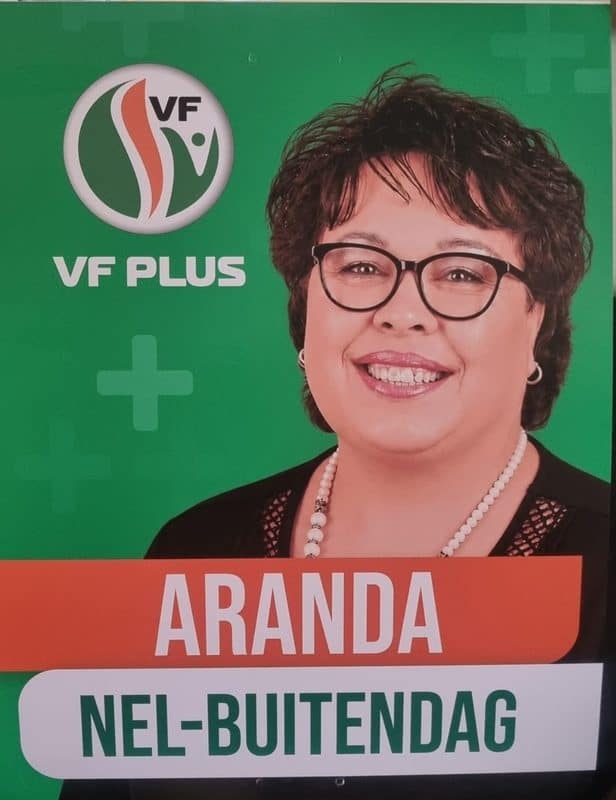
Q: What are the three biggest challenges currently facing your ward, and how will you address them?
A: My three main priorities are unreliable water and electricity supply; deteriorating infrastructure, including roads, sewerage systems and streetlights; and crime, vandalism and illegal dumping.
I will maintain a register of reported problems, conduct site visits, and follow up with the responsible municipal departments. I will pursue funded maintenance plans through council and the Integrated Development Plan (IDP), while working with residents and community safety structures to identify urgent needs.
Q: How will you improve basic service delivery such as water, electricity, refuse removal and road maintenance?
A: I will press for preventative maintenance, clear service schedules and quicker responses to faults. This includes following up on water interruptions, electricity failures, missed refuse collections and road repairs.
Each reported issue must have a reference number where available, a responsible department and regular follow-up. I will request realistic repair timeframes, keep residents informed and escalate persistent failures to municipal management and through council oversight structures.
Q: What specific plans do you have to improve community safety and reduce crime in the ward?
A: I will work with SAPS, the Community Policing Forum, neighbourhood watches and reputable security organisations to identify crime hotspots and improve coordination.
My priorities will include restoring streetlights, clearing overgrown public spaces and reporting vandalised or unsecured municipal infrastructure. I will encourage residents to report incidents and obtain case numbers so that recurring problems can be raised with the relevant authorities. Community participation must support lawful, coordinated crime prevention.
Q: How will you ensure that residents are kept informed and involved in decisions affecting the community?
A: I will communicate through community WhatsApp groups, public meetings and notices accessible to residents who do not use digital platforms.
I will share verified service updates, explain relevant council decisions and give residents opportunities to contribute before important proposals are finalised. I will also report back on their submissions so that public participation leads to meaningful follow-up.
Q: What will you do to support local businesses, informal traders and job creation in the ward?
A: Reliable services and well-maintained public spaces are essential for local businesses. I will follow up on service failures affecting businesses and assist traders in obtaining clear information about municipal applications, permits and designated trading spaces.
I will advocate for fair, transparent municipal processes and connect residents with available training, enterprise support and employment opportunities. I will support cooperation between local businesses and training organisations to expand practical skills development.
Q: How will you improve conditions in informal settlements and underserved areas within the ward?
A: Where these needs exist within Ward 21, I will work with residents to document gaps in water, sanitation, refuse removal, lighting and safe access.
I will motivate for these needs to be included in municipal planning and funded programmes, prioritising health and safety risks. I will follow up with the responsible departments and communicate progress honestly. Every resident deserves respectful treatment and fair access to basic services.
Q: What is your plan to address infrastructure problems such as potholes, sewage spills, streetlights and illegal dumping?
I will maintain an infrastructure register that records locations, photographs, reporting dates and progress. Sewage spills and exposed electrical infrastructure will receive urgent attention because of their health and safety risks.
I will request planned pothole repairs, streetlight maintenance and action at recurring dumping hotspots. I will also follow up on the quality of completed repairs and advocate for enforcement against illegal dumping, alongside reliable waste collection.
Q: How will you ensure municipal funds allocated to the ward are spent transparently and effectively?
A: I will scrutinise approved budgets, project allocations, expenditure reports and completion records for projects affecting Ward 21.
I will ask clear questions about costs, delays, contractor performance and whether completed work meets the required standard. Through council and the appropriate oversight structures, I will pursue explanations and corrective action where problems arise. Residents should receive understandable updates on approved projects and their progress.
Q: What programmes or initiatives would you introduce for young people, women and vulnerable residents in the community?
I will work with established organisations to support youth skills workshops, career guidance, CV preparation and access to training opportunities.
For women and vulnerable residents, I will support health awareness initiatives, access to appropriate support services and assistance with municipal rebates and social support applications. I will also encourage partnerships that assist elderly residents and people with disabilities. These initiatives must respond to real community needs and have practical support behind them.
Q: If elected, how will residents be able to hold you accountable and measure your progress over the next five years?
I will publish my ward priorities and provide quarterly progress updates covering reported service problems, outstanding cases, infrastructure projects and matters raised in council.
Residents will be able to contact me directly, raise concerns at community meetings and assess my work against these commitments. I will hold an annual report-back meeting to review progress and agree on priorities for the following year.
I will remain accessible, explain delays honestly and take responsibility for consistent follow-up. My commitment is to represent residents diligently and pursue measurable improvements throughout the term.
WARD 22
Sibongile Brenda Mathebula (DA)
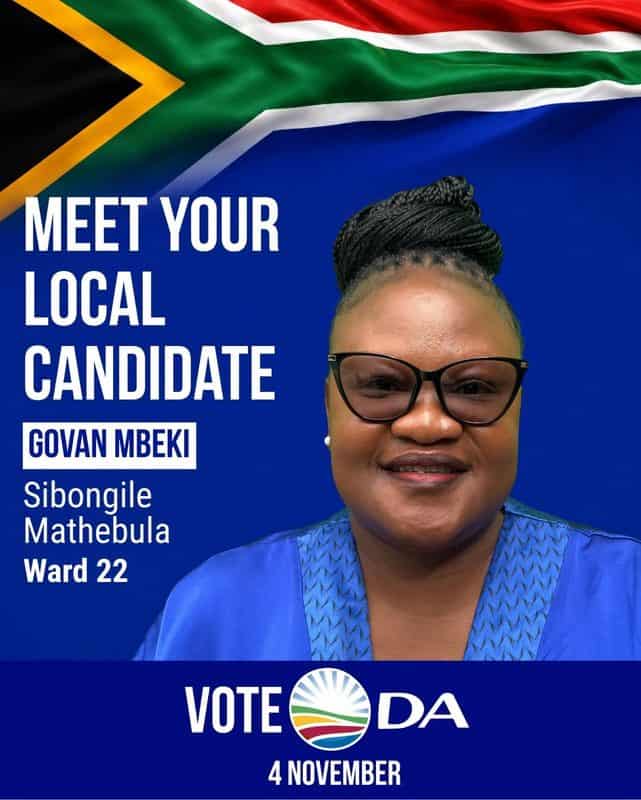
Q: What are the three biggest challenges currently facing your ward, and how will you address them?
A:The three biggest challenges in Ward 22 are water shortages and reliability of supply, poor road infrastructure, and inadequate municipal services such as refuse removal and maintenance. I will address these challenges through consistent engagement with the municipality, strong council oversight, regular community meetings and proper monitoring of reported service-delivery problems until they are resolved.
Q: How will you improve basic service delivery such as water, electricity, refuse removal and road maintenance?
A: I will make sure that residents’ complaints are properly recorded, reported to the relevant municipal departments and followed up. I will also engage with the municipality on maintenance plans and budgets and use council oversight mechanisms to hold the municipality accountable. Residents should not have to report the same problem repeatedly without receiving feedback or a solution.
Q: What specific plans do you have to improve community safety and reduce crime in the ward?
A: I will work closely with SAPS, the CPF, community leaders and residents to identify crime hotspots and improve communication around safety concerns. I will support community safety initiatives and advocate for the maintenance of streetlights, roads and public spaces, because neglected areas can contribute to unsafe environments. I will also encourage residents to work together and report criminal activity through the appropriate channels.
Q: How will you ensure that residents are kept informed and involved in decisions affecting the community?
A: I will maintain regular communication with residents through ward meetings, community engagements and digital communication platforms. Residents must know what is happening in their ward, what projects are planned, what challenges the municipality is facing and what progress has been made. I will also make sure that residents have an opportunity to raise their concerns and contribute to solutions.
Q: What will you do to support local businesses, informal traders and job creation in the ward?
A: I will advocate for greater support for small businesses, informal traders, entrepreneurs and young people. This includes making residents aware of available municipal and government programmes, training opportunities, tenders and business-support initiatives. I will also encourage the municipality to create an environment where local businesses can grow and contribute to employment in our community.
Q: How will you improve conditions in informal settlements and underserved areas within the ward?
A: I will ensure that underserved areas are properly represented in municipal planning and budgeting. I will advocate for improved access to water, sanitation, electricity, roads, refuse removal and other basic services. I will also engage directly with affected residents so that their priorities are clearly identified and taken forward through the appropriate municipal structures.
Q: What is your plan to address infrastructure problems such as potholes, sewer spills, streetlights and illegal dumping?
A: My approach will be to identify, report, monitor, escalate and follow up. I will keep track of outstanding infrastructure problems and engage the relevant municipal departments until there is progress. I will also work with residents on preventing illegal dumping and keeping our public spaces clean. Where municipal departments fail to respond, I will use council oversight structures to demand accountability.
Q: How will you ensure municipal funds allocated to the ward are spent transparently and effectively?
A: I will support transparency and accountability through the municipal council’s budget, oversight and reporting processes. Residents have the right to know how public money is being spent and whether projects are delivering value. I will scrutinise municipal plans and expenditure and raise concerns where there is waste, poor performance or a lack of accountability.
Q: What programmes or initiatives would you introduce for young people, women and vulnerable residents in the community?
A: I would focus on skills development, employment opportunities, entrepreneurship, sports, education and social-support programmes. Young people need access to learnerships, internships, training and employment opportunities. Women should be supported through entrepreneurship and skills programmes, while vulnerable residents should be connected to available social-development services. I would work with government, businesses, NGOs and community organisations to bring these opportunities closer to Ward 22.
Q: If elected, how will residents be able to hold you accountable and measure your progress over the next five years?
A: I will make myself accessible, visible and accountable to the residents of Ward 22. I will provide regular feedback through ward meetings and community communication platforms and report on the progress of key service-delivery issues. Residents must be able to ask questions, raise concerns and see what action has been taken. At the end of the five years, my performance should be measured by the issues I have taken up, the progress achieved and, most importantly, whether residents felt heard and represented.
WARD 25
Clark van der Walt (DA)
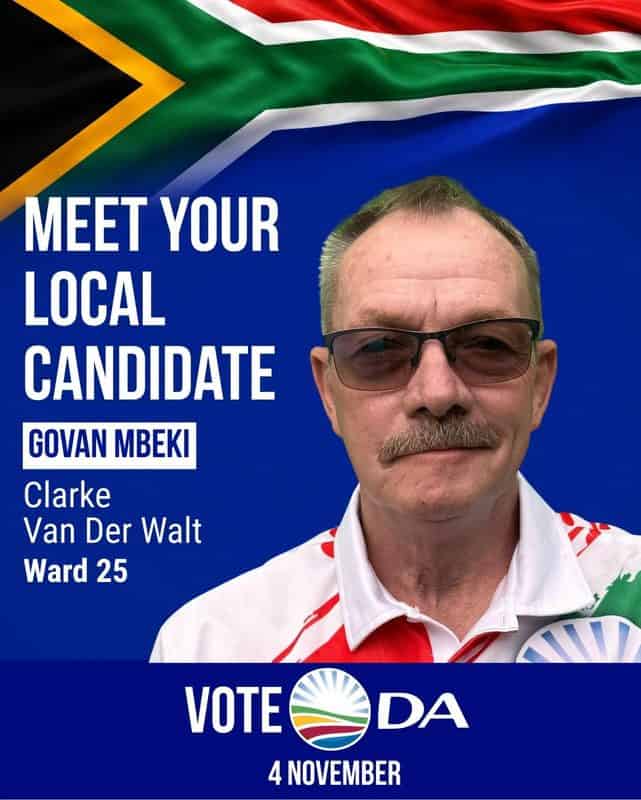
Q: What are the three biggest challenges currently facing your ward and how will you address them?
A: The tree biggest challenges I see are failing infrastructure, unreliable basic services and community safety. My priority will be to address problems regarding the above through proper reporting, follow-up and monitoring. I will focus on getting the basics working properly before promising large new projects.
Q: How will you improve basic service delivery such as water, electricity, refuse removal and road maintenance?
A:Residents need a councilor who follows problems through until they are resolved. I will regularly escalate unresolved issues to the relevant municipal department and report back to residents.
Q: What specific plans do you have to improve community safety and reduce crime in the ward?
A: My priorities will include: Repairing broken streetlights; addressing dangerous intersections, roads and signage; improving lighting in vulnerable areas; dealing with illegal dumping and neglected municipal spaces; supporting cooperation between residents, SAPS and pushing for effective by-law enforcement.
Q: How will you ensure that residents are kept informed and involved in decisions affecting the community?
A: Communication must be regular and two-way. Regular ward meetings and providing residents with updates on major service-delivery issues and municipal projects;
I will also use community channels where residents can report problems and receive feedback. The municipality already has formal channels for service delivery complaints, including a Call Centre and WhatsApp service.
Q: What will you do to support local businesses, informal traders and job creation in the ward?
A: I will work with local businesses, SMME’s and informal traders to make sure they have access to information about municipal opportunities, licenses, procurement and skills-development programmes.
Q: How will you improve conditions in informal settlements and underserved areas in the ward?
A: Firstly to identify the outstanding basic needs in each area and make sure it is properly included in municipal planning and budgeting.
Holfontein, for example, is specifically identified in the municipality’s Ward 25 priorities as having shortages of water, sanitation, electricity and lighting, alongside unemployment concerns.
Q: What is your plan to address infrastructure problems such as potholes, sewerage spills, streetlights and illegal dumping?
A: I would introduce a simple “report, record, escalate and follow up” system.
Every major problem should have:
A location -— date reported — responsible department — reference number — progress update — completion date. This creates accountability and prevents residents from having to report the same problem repeatedly.
Q: How will you ensure municipal funds allocated to the ward are spent transparently and effectively?
A: I will monitor municipal plans, budgets and performance reports and communicate relevant information to residents.
I will also distinguish between projects that have been approved and funded, projects that are planned and requests that are still awaiting funding.
Q: What programmes or initiatives would you introduce for young people, women and vulnerable residents in the community?
A: I would focus on practical opportunities: skills development; employment opportunities, support for small business; and sport and recreational activities.
Assistance in accessing existing government programs and support for vulnerable residents through the appropriate municipal and social-development structures
Ward 25’s own priorities also identify the need for a new high school in Trichardt as well as a community hall and improved cemetery facilities.
Q: If elected, how will residents be able to hold you accountable and measure your progress over the next five years?
A: I will make accountability measurable by providing residents with regular updates on outstanding service-delivery complaints, infrastructure projects, municipal commitments, what has been resolved and what remains outstanding and why.
Regular ward meetings will be held, where residents can question me directly. I will not make unrealistic promises.
WARD 28
Conway Harrison (DA)
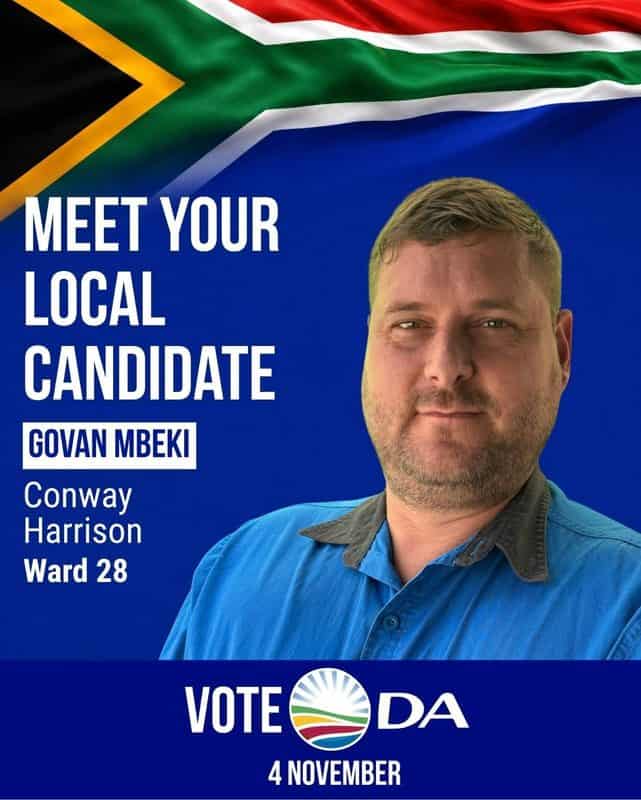
Q: What are the three biggest challenges currently facing your ward, and how will you address them?
1. Service Delivery (Refuge, Water Supply, Electricity Bills, and basic feed back)
2. Lawlessness and Opportunistic Crime.
3. Property Devaluation
To address these problems a total reform of governance system needs to be done.
Q: How will you improve basic service delivery such as water, electricity, refuse removal and road maintenance?
A: I will do a complete risk assessment and audit on every street in my ward, identifying damaged infrastructure, damaged roads, vandalized buildings, and all infrastructure and services that are not compliant with national legislator (acts and regulations).
As previously mentioned, once a reform of all administrative and governance process is done, we can start making headway to get competent people who are experts in their field of work to start giving attention and addressing all the collapse of infrastructure and municipal services.
Restructuring of the whole municipal body will be needed to ensure enough people/resources and the required equipment and plant are introduced/maintained to put to work as per reformed schedules
Q: What specific plans do you have to improve community safety and reduce crime in the ward?
A: GMM must engage on a provincial and national level to get our police force the required and necessary skilled and trained people and vehicles. I would also like to introduce a CCTV street view system that we can ask the private sector and security firms to sponsor to assist SAPS with. If we can get more visibility op police in high crime areas at night to work hand in hand with our local CPF’s.
Q: How will you ensure that residents are kept informed and involved in decisions affecting the community?
A: I would like to introduce a community service app administered and run thought the municipality that allows residents to lodge complaints or service delivery enquiries in real time, which will also allow them to track if their matter have been escalated and if a team have been assign to go out for breakdown and who is responsible for the call logged, the system should then verify with photos that any issues or matters have been closed out allowing the resourced supervisor and the resident to verify if the issue have been resolved and closed down.
If such a matter have not been resolved by a time suitable by both parties the system will automatically escalate the matter to a HOD who must then investigate and give feedback to the resident. And so the process shall flow until desired issue have been resolved. On a monthly basis all reports will be pulled to be discussed in council meetings to raise points of concern and see gaps in our systems
This system will also assist SAPS key areas of vandalism and theft, this system can also be integrated for emergency services and refuge schedules and monthly/daily maintenance schedules, we can communicate will all residents directly with a live system update removing frustration and incorrect feedback to residents .
Q: What will you do to support local businesses, informal traders and job creation in the ward?
A: To start with, I will compile a list of all businesses in my ward. Thereafter, I will be visiting each business to engage with them regarding their place of work, nature of work, which community they do services for and issues they have with in the town, I will also with on these visits, request that officials of the Department of Labour/Trade and Industry accompany me to ensure all businesses are operating and delivering services as per their governing acts and regulations.
We will have business open days in town where we can get businesses to promote themselves in products they sell or services they deliver, I would also like to have quarterly business forum meetings where business owners can directly escalate there issues and concerns for me to escalate in council.
I would also like to work hand in hand with big corporate companies (Seriti, Thugela) and major developers to assist us in doing work in our town employing local labour and companies to do projects and maintenance for our town ( I will not be asking any of these to pay any funds over to GMM, but rather fund and manage the project them self under my supervision)
Q: How will you improve conditions in informal settlements and underserved areas within the ward?
A: Community development is very important to me, after assessing each community in my ward I can then compile a game plan and action all triggers from this plan, national treasury does give municipalities funds to use on the rural areas, I need to make sure that those funds get allocated and uses in those areas identified as needed.
I would like to introduce a Bethal community arts and crafts/flea market and get programmes in place to help entrepreneurs and SME’s to get more exposure, training and business funding programmes as part of their ESD community funding requirements
Q: What is your plan to address infrastructure problems such as potholes, sewage spills, streetlights and illegal dumping?
A: GMM needs competent people to address these issues, as my field of business I have been involved in many construction and mining projects and this does give me a good understanding in how things work. We need a town engineer to be appointed that is responsible to ensure that the town’s infrastructure is compliant with regulations.
Regarding potholes, I am not in favour of quick fixes the fund allocated to the town should and must be used to rip and re-tar all roads since our towns roads have completely collapsed this will not be something we will be able to fix in a year’s time. We can start with roads shrouding schools, medical centres and the CBD and have a communicated plan with residents of all road projects and infrastructure developments.
Regarding the sewage, once again a engineer need to asses and redesign the whole system. GMM with developers and corporate sponsors to upgrade our towns sewage system and we can push to build our own sewage to clean water reclamation plant.
Regarding steer lights, we can engage our community to start getting solar and municipal provided electrical lights up in critical areas first. We need to start thinking clever about lights as criminals have been targeting our light poles cutting them down to remove cables putting programmes in place to reward residents that goes the extra mile by putting up their own solar street lights a competent town electrician and assistants with dedicated vehicles and equipment to be employed to be bases in our town to oversee / maintain and manage all electrical infrastructure we need to remove the need to relay on external contractors to come and resolve our issues .
Regarding illegal dumping, I will suggest that we start putting out skip bins all over town for recusants to disposes there waist off also a recycling centre to be opened where people have started with recycling can bring the material and get funded. We can run information programmes and involve all our communities and schools on environmental teaching and sustainability ethics
GMM can here also have job creation as they can employ teams from there town who can go out and clean every day to maintain our streets and public parks.
Q: How will you ensure municipal funds allocated to the ward are spent transparently and effectively?
A: Good governance is key here, once again getting competent people in place to manage the municipal systems and to ensure transparency in all administrative work holding HOD’s accountable for their departments and sharing information openly with residents.
Q: What programmes or initiatives would you introduce for young people, women and vulnerable residents in the community?
A: It is important to understand the need of our community to getting skilled development programmes in place, involve cooperate sponsorships and national government programmes promoting and introducing new entrepreneurs and walking with them and guiding them.
Q: If elected, how will residents be able to hold you accountable and measure your progress over the next five years?
A: This answer is simple, I will be judged by my deeds, residents have the right to call me out and we should have systems in place with in the municipal structure to discipline or reprimand councillors who fail in their duties, open public forums can be done every six months for residents directly question me and other accountable parties.
WARD 28
Anelda Postma (VF Plus)
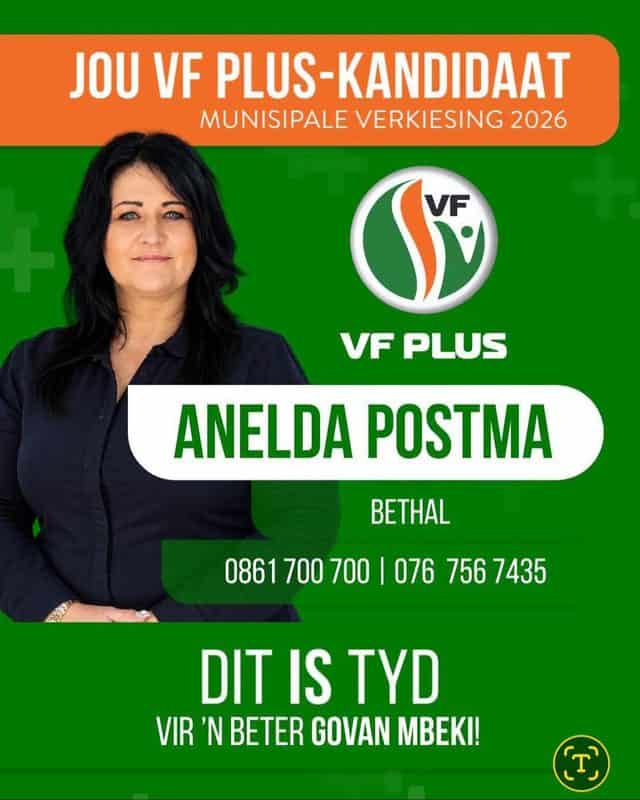
Q: What are the three biggest challenges currently facing your ward, and how will you address them?
A: The 45 reservoir water supply as well as water supply in general. Bribery of water truck drivers supposed to supply water to residents.
I will address the situation by getting Rand Water involved in a permanent solution by supplying temporary pressure pumps and an analysis of the area to increase the capacity of the reservoir.
There is a lot of development in the area and the reservoir cannot keep up with the demand. A sanitation plant and a bigger reservoir would be a great improvement. Sasol and surrounding mines as well as Government and other role players could be involved with expertise and funding.
I made a case at SAPS April 9 and supplied evidence on April 16 to the directors at the place where it occurred. Still did not get feedback but there is apparently an internal investigation. The community needs answers with regards to this matter.
Potholes are a huge concern with all the trucks driving through Bethal and between residential areas destroying the roads which is causing high risk accidents as well as damages to vehicles on a daily basis.
I am currently working with Govan Mbeki Municipality by fixing potholes at Market Avenue in front of Primary School Marietjie van Niekerk, we are identifying the next road after that to have two or three save streets whereby residents could drop their kids at school and the learners, teachers and residents could be safe.
The municipaL workers have challenges due to transport to get the workers on site and also do not have sufficient brooms, shovels and buckets to get the work done. The supply chain need to be contacted and equipment supplied or bought. My suggestion will also be for all trucking companies traveling through Bethal to pay an ex amount levy monthly to Govan Mbeki Municipality to maintain roads in the residential areas. The trucking companies must obtain a permit through Govan Mbeki to travel on these roads and will generate income for the road maintenance. This will create job opportunities as well.
• Cable theft is on the rise due to unemployment in the area and locals not getting employed as well as squatters, drug abuse, illegal immigrants loitering the streets and committing crime in the CBD area as well as residential areas.
I am part of neighbourhood groups and are initiating more of these groups who communicate suspicious activities and work close with the CPF to combat crime. This suspicious people or vehicles are also posted on all my VF Plus groups. As a community we all need to work together to combat crime in Bethal.
Illegal immigrants, squatters and loiters should be removed by law enforcement in conjunction with SAPS and CPF. SAPS need to do more visibility in the CBD and do operations with the drug squad and dog unit to get drugs of our streets. I work with SAPS, Hawks and Crime Intelligence with regards to these matters as I was a reservist for 12 years and due to become Captain when I resigned. I still am serving my community. The municipality should put a round metal around the poles to protect the cables as it is currently just attached to the pole on the point of entry. The point of supply is hanging loose and easy to steal. This is the cable which the residents must pay for if stolen. Do the work properly and prevent crime. Any other suggestions from the community will be welcomed.
Q: How will you improve basic service delivery such as water, electricity, refuse removal and road maintenance?
A: I explained most of the question at number 2 and 3 already however we still have challenges with regards to refuse removal, illegal dumping and people loitering the streets tearing rubbish bags open and the residential areas looks like a mess. There should be a schedule weekly published by Govan Mbeki with regards to the streets or extensions, rubbish removal as there is only one truck and a huge backlog.
Elderly residents struggle to take rubbish out only to go and take it back into their premises. A project can be initiated to buy bins from the Municipality with your address on it and can be tilted into the rubbish truck. Street light are also an issue and a lack thereof assists the criminals with their activities. As discussed previously there were bribes and fraudulent activity involved with the water truck supply and this needs to be audited and individuals held accountable for their action in a legal and criminal matter.
Q:What specific plans do you have to improve community safety and reduce crime in the ward?
A: More neighbourhood groups initiatives and volunteers for the CPF. SAPS patrolling “red zones”. Street lights everywhere and camera system initiatives which the CPF already initiated. Community must get involved.
As previously said more SAPS visibility in CBD, high crime areas. Report SAPS or Traffic officers taking bribes. Vehicle registration, date and time. If community want to stay anonymous they may report to me directly.
Q: How will you ensure that residents are kept informed and involved in decisions affecting the community?
A: By having public meetings whereby residents may attend, raising concerns, giving suggestions, and get answers on projects running at the time. Also post it on social media and community groups as all residents cannot always attend the meetings.
I posted on my groups since 2021 and kept residents informed and they also gave suggestions on the group as well as private. I also have a community group for all residents.
Q: What will you do to support local businesses, informal traders and job creation in the ward?
A: I already have groups whereby local businesses as well as home based businesses advertise their products. I also have a group whereby jobs available in the area are advertised and locals may apply if they have the requirements needed.
Informal traders have areas in town where they are allowed to trade however I would try and get funding to build a better safe selling area which can be locked at night because at the moment it does not portray a good image across from the mall. Also put toilet facilities there and people pay to use it and have a cleaner, cleaning on a daily basis.
The illegals and drug dealers will not be able to utilize the area and theft will also reduce. Thereby also creating jobs.
Q: How will you improve conditions in informal settlements and underserved areas within the ward?
A: I have been already assisting for the past six years by taking clothes and food with my NPO. I always ensure that the water tankers are also distributed to the informal areas. As a councillor I will have access to do more by submitting improvements and get funding for the uplifting of the areas.
I will also speak to community forums and leaders to assist and uplift these communities and create jobs even by growing crops and vegetable gardens to be self-sustainable. Community involvement and meetings to address the issues in their areas. My goal is to uplift the whole community, by job creations, crime reduction, elderly assistance, safety and security for all.
Q: What is your plan to address infrastructure problems such as potholes, sewage spills, streetlights and illegal dumping?
A: I did already address these issues in my previous response. As previously mentioned I am actively involved in fixing potholes and working with Govan Mbeki Municipality and Mr. Gouws to get it done. Illegal dumping should be reported and d a photo taken of the vehicle. I would suggest a hearty fine to these individuals.
Q: How will you ensure municipal funds allocated to the ward are spent transparently and effectively?
A: As a ward councillor I will be able to have access to the information as I will present projects, quotations, contractors etc. Transparency and accountability by giving feedback to the community, proving the amount allocated for a project, quotations, actual costs and finalized project. This needs to be posted on the Govan Mbeki Municipality Facebook page and oversight constantly. Any funding not used should be transferred or allocated to another project.
Q: What programmes or initiatives would you introduce for young people, women and vulnerable residents in the community?
A: I would love to get funding for a project to allocate a premises in Bethal ( SASOL) building in Main avenue to teach young woman how to do needle work, make clothes, curtains, arts etc.
Also want to get a premises as a safe haven working with the CMR for temporary safe placements for GBV, rape victims as well as assisting drug users to rehabilitate and work in society. To sell the products and improve their skills.
For vulnerable residents I would suggest a neighbourhood groups whereby you get assistance from your neighbour’s when you need assistance. GBV should be reported and fully investigated. I also have great ideas for Bethal Dam to create jobs, financial income for Govan Mbeki Municipality as well as a space for a weekly vegetable market or any product market. Residents can hereby sell their products in a safe and controlled environment.
Q: If elected, how will residents be able to hold you accountable and measure your progress over the next five years?
A: Residents have known me for years and I always do the best I can for my community and always assist with anything. I will show before photos, planned projects, budgets and final costs and photos of projects. I am and always will be transparent. Locals must be employed for projects with the necessary skills. Residents will see their tax money at work. I say what I mean and I mean what I say.
WARD 30
Lizelle Steyn (DA)
Q: What are the three biggest challenges currently facing your ward, and how will you address them?
A: The ward faces a complete lack of service delivery and measurable factors for improvements.
Q: Current Streetlights that are working in Ward 30 is only at 26%, this is a major safety risk to communities and displays the lack of service delivery in the ward?
A: Roads are an ongoing concern as the municipality is damaging their own infrastructure when repairing pipes and not enforcing rehabilitation of roads.
All service delivery concerns should be addressed by implementing policies and procedures through council on departmental communication. It is clear that there is no accountability structure in place, and that departments are only relying on calls logged by the call centre and not implementing these repairs.
Q: How will you improve basic service delivery such as water, electricity, refuse removal and road maintenance?
A: I believe in a hands on approach when it comes to service delivery, potential problems need to be identified prior to the actual disaster and measures be put in place to counter them. An effective communication system needs to be incorporated to keep the community updated and allow for provisions to be made.
Q: What specific plans do you have to improve community safety and reduce crime in the ward?
A: This will never be a lone soldiers task. Throughout my engagements with residents at meetings, it is clear that a lot of areas have embarked on patrolling and enclosure measures at their own cost. For this I must take the time to applaud and thank the community of ward 30 for taking these actions. First thing that needs to be tackled is the lack of streetlights, this by itself will be a major task. Then further measures need to be put in place to build on this.
Q: How will you ensure that residents are kept informed and involved in decisions affecting the community?
A: Communication is key, consistent updates on all my whatsapp groups and facebook page. Feedback sessions and engagements needs to be continuous with residents.
Q: What will you do to support local businesses, informal traders and job creation in the ward?
Job creation starts with a proper IDP and Development structure. Without our local businesses there will not be economical growth. A strong business forum unit needs to be established and supporting structures be put in place.
Q: How will you improve conditions in informal settlements and underserved areas within the ward?
A. I will have to conduct further street meetings to engage with residents on their concerns and compile a plan of action from there.
Q: What is your plan to address infrastructure problems such as potholes, sewage spills, streetlights and illegal dumping?
A: Tabling a constructive IDP plan, and by submission of motions to council, with action plans incorporated. This is a continuous application and not once of action
Q: How will you ensure municipal funds allocated to the ward are spent transparently and effectively?
A: When the DA governs this will be much easier to implement, we have plans in place to ensure maintenance is as much as a priority as that of repairs. As the current policy at GMM does not allocate specific funds to wards, the measures need to be implemented by means of IDP and public participation.
Q: What programmes or initiatives would you introduce for young people, women and vulnerable residents in the community?
A: I love doing care projects, I have in my 13 years as a ward councillor in a different municipality, I have always ensured collaborations with schools regarding sanitary projects and dignity packs. Without a doubt this will continue with the 3 schools that fall under ward 30. I look forward to taking hands with the community and making a difference.
Q: If elected, how will residents be able to hold you accountable and measure your progress over the next five years?
A: Residents need to give me the opportunity to hear their concerns and be their voice. Accountability lies high on my priority list. As I am community driven and focused, I can ensure residents that I will keep their interests at heart and strive to enhance ward 30 to new heights. We are in this together.
WARD 32
Kulekani Nxumalo (DA)
Q: What are the three biggest challenges facing your ward, and how will you address them?
A: The biggest challenges are unemployment, poor service delivery and crime. I will work with the municipality and community to find practical solutions.
Q: How will you improve basic service delivery?
A: I will report service delivery problems, follow up with municipal departments and ensure residents receive regular feedback.
Q: How will you improve community safety and reduce crime?
A: I will strengthen partnerships with SAPS, community policing forums and neighbourhood watches while advocating for better street lighting.
Q: How will you keep residents informed and involved?
A: I will hold regular community meetings, provide updates and ensure residents have a voice in decisions affecting them.
Q: How will you support local businesses and job creation?
A: I will support local businesses, promote entrepreneurship and advocate for skills development and employment opportunities.
Q: How will you improve informal settlements and underserved areas?
A: I will advocate for better water, sanitation, electricity, housing and infrastructure in underserved communities.
Q: How will you address potholes, sewage spills, streetlights and illegal dumping?
A: I will report problems promptly, follow up with relevant departments and promote regular maintenance and community clean-ups.
Q: How will you ensure municipal funds are spent transparently?
A: I will promote transparent reporting, monitor ward projects and ensure residents are informed about how public funds are spent.
Q: What programmes will you introduce for young people, women and vulnerable residents?
A: I will promote skills training, youth employment, women’s entrepreneurship and support programmes for vulnerable residents.
Q: How will residents hold you accountable over five years?
A: I will provide regular progress reports, hold community meetings and remain accessible to residents while being accountable for my commitments.
WARD 33
Anthony van Eeden (DA)
Q: What are the three biggest challenges currently facing your ward, and how will you address them?
A: Safety, roads and traffic lights not working
Q: How will you improve basic service delivery such as water, electricity, refuse removal and road maintenance?
A: When the DA wins GMM it will be able to provide more than oversight and actually be able to provide these basic services
Q: What specific plans do you have to improve community safety and reduce crime in the ward?
A: Work with companies and residents to make sure constant vigilance is adhered to after implementation
Q: How will you ensure that residents are kept informed and involved in decisions affecting the community?
A: We have a plan to improve the communication channels once we win GMM.
Q: What will you do to support local businesses, informal traders and job creation in the ward?
A: I will continue to work with local businesses and see where we can assist to help them grow when the overall town economy is improved businesses will invest and create jobs
Q: How will you improve conditions in informal settlements and underserved areas within the ward?
A: By partnering with local businesses and charities
Q: What is your plan to address infrastructure problems such as potholes, sewage spills, streetlights and illegal dumping?
A: When the DA wins GMM these issues will be addressed until then by utilising the help of local businesses
Q: How will you ensure municipal funds allocated to the ward are spent transparently and effectively?
A: By having a system in place that guarantees accountability
Q: What programmes or initiatives would you introduce for young people, women and vulnerable residents in the community?
A: For young people, I would focus on skills and opportunity programmes. This could include linking residents to learnerships, internships, bursaries and job opportunities; partnering with local businesses and training providers on digital, technical and entrepreneurial skills; and creating structured youth activities through libraries, community centres and sports facilities. I would also establish a ward-level opportunity network so that young residents are aware of opportunities instead of having to find them on their own.
Q: If elected, how will residents be able to hold you accountable and measure your progress over the next five years?
A: I’m always reachable by the public they can keep me to my word and measure my results by seeing the community improve.
Disclaimer: The views and opinions expressed in this article are those of the candidate and do
not necessarily reflect the views or positions of the journalists or the newspapers (Ridge Times and Standerton Advertiser) and the company (Caxton) they represent.